Home blog

Tarih boyunca Amasra’ya hayran kalan seyyahlar

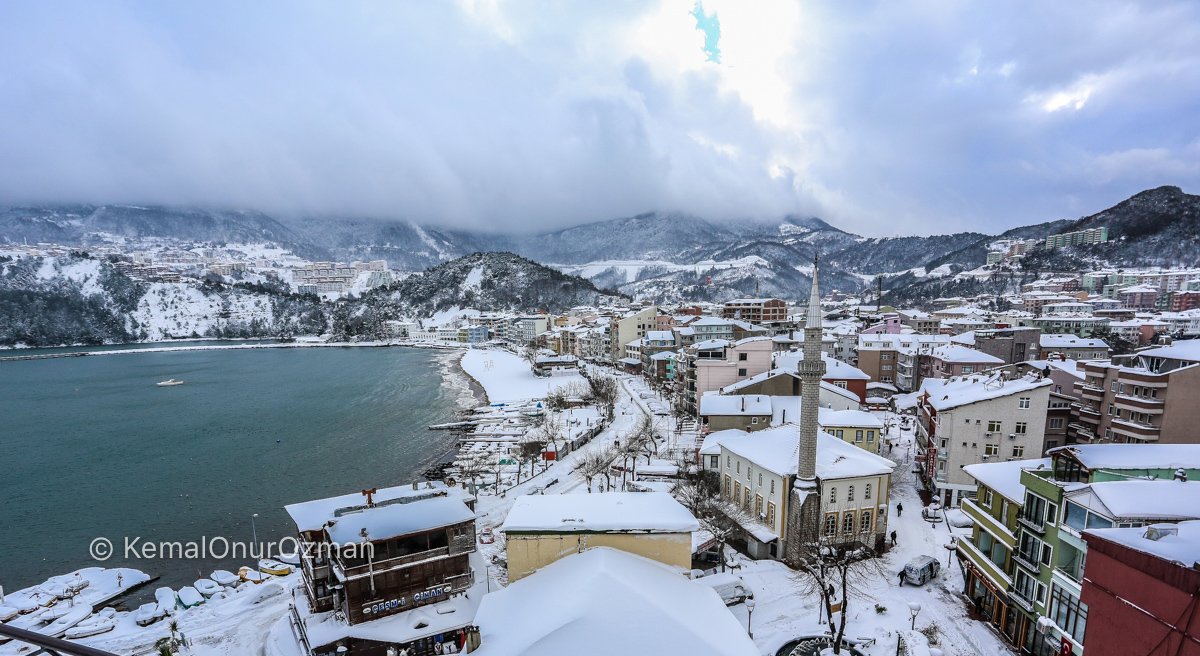
Amasra Photo
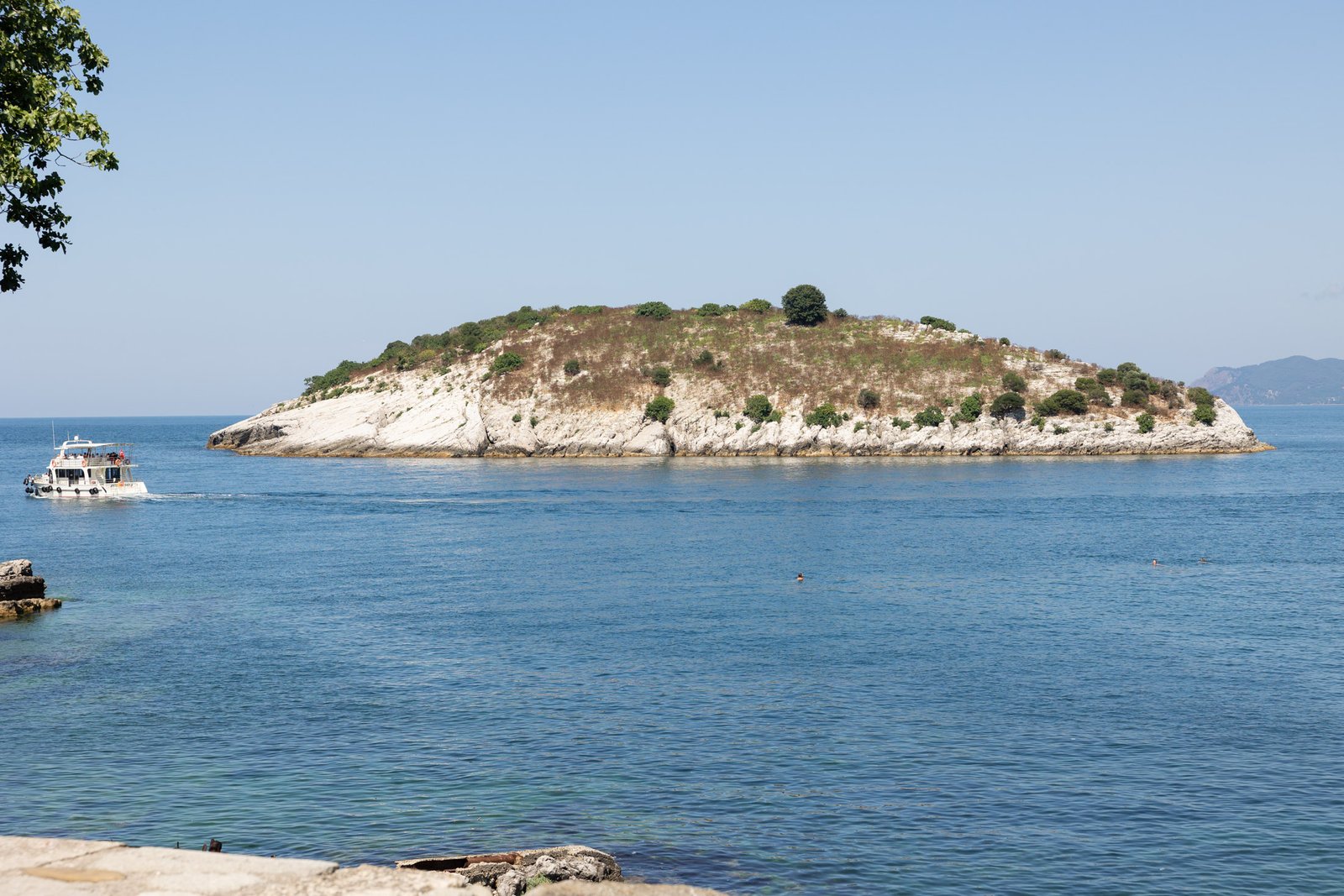
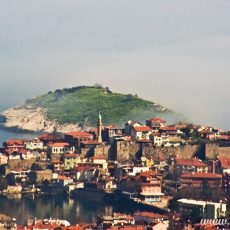
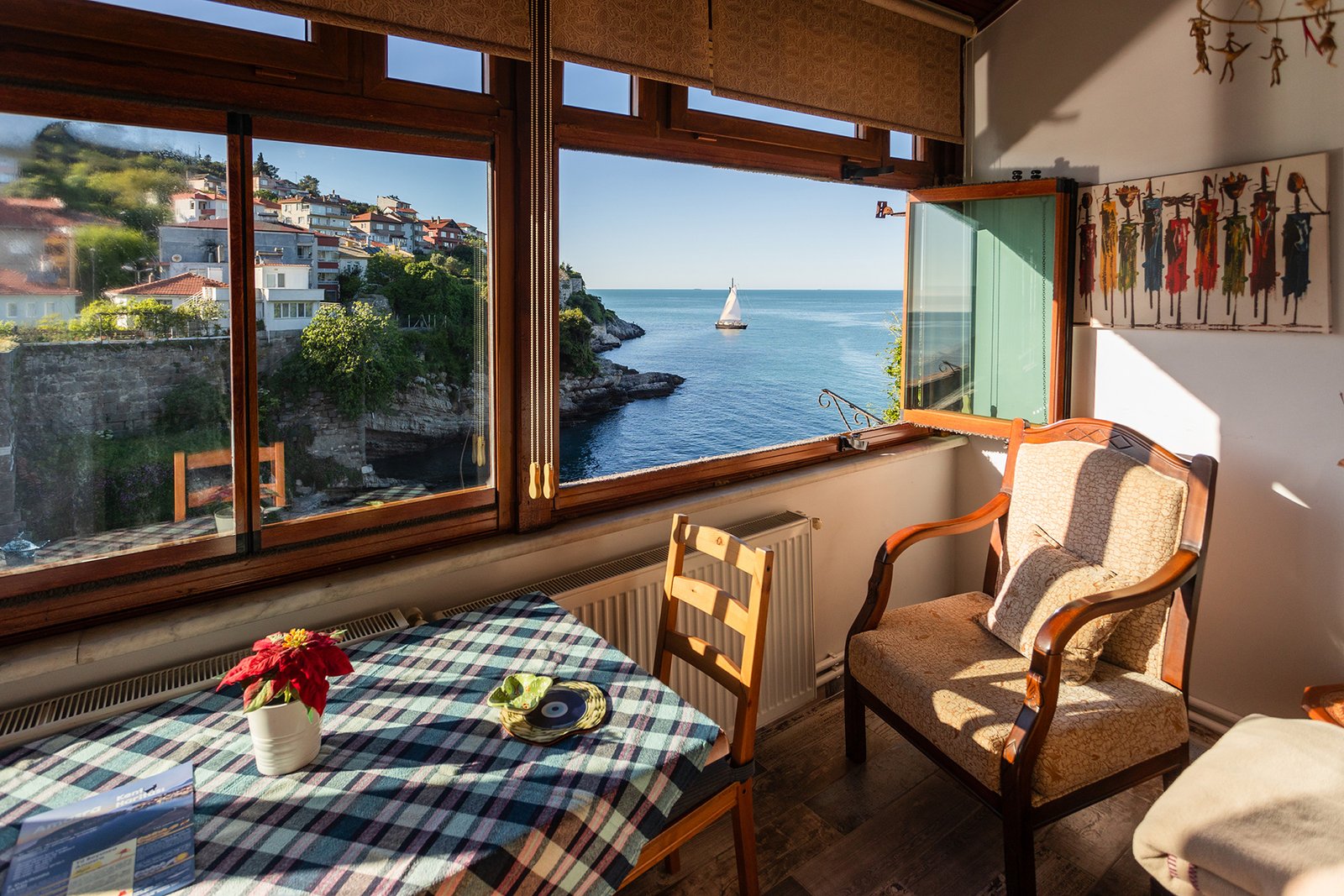
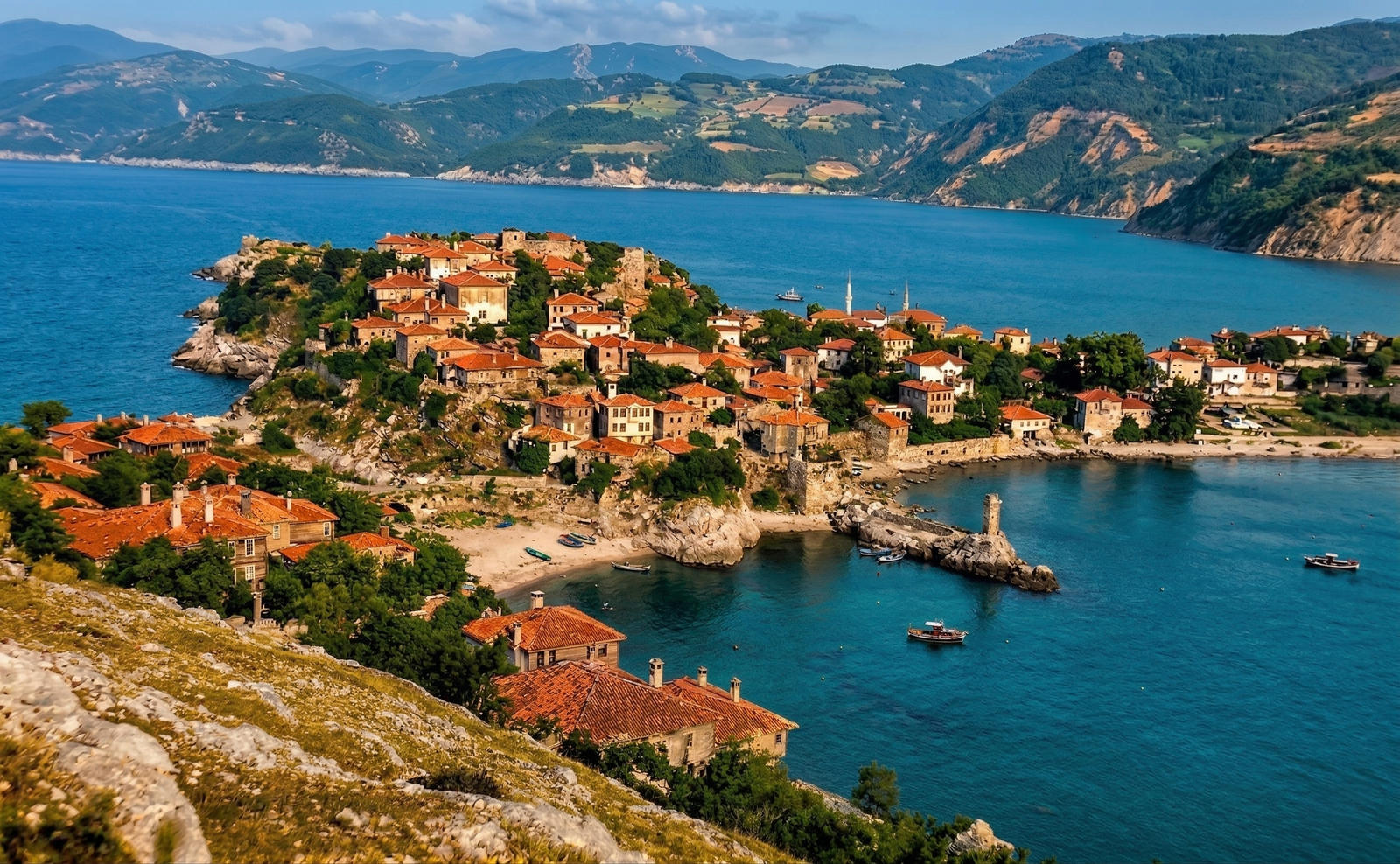
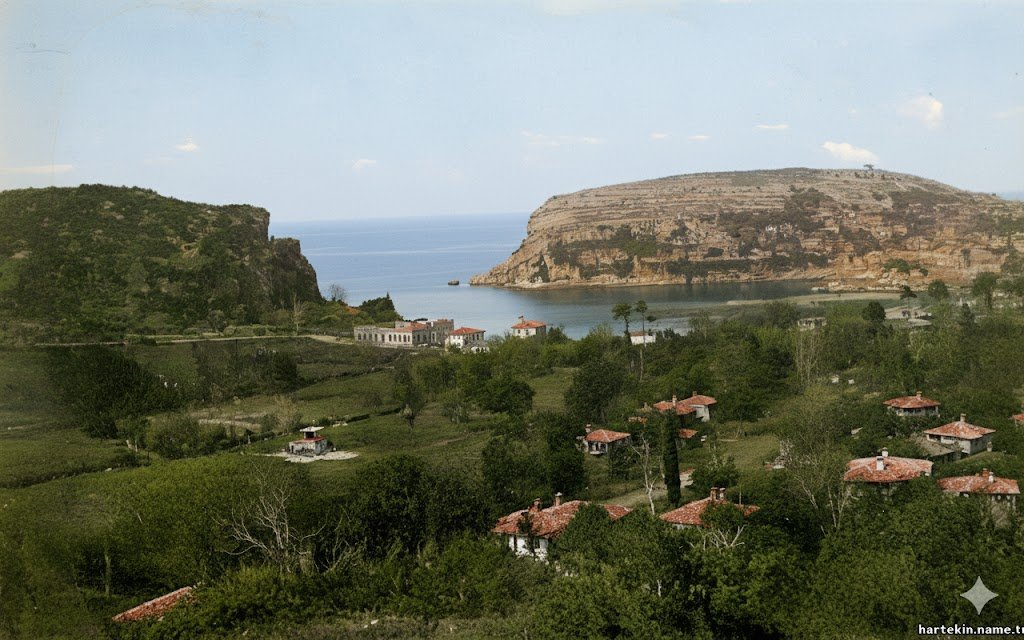
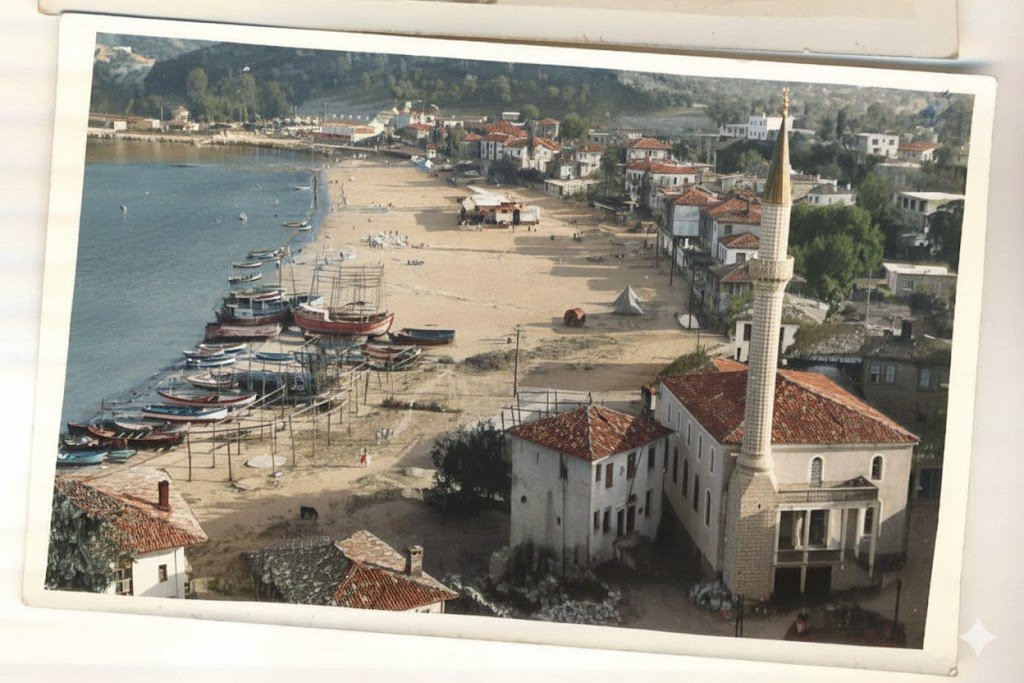
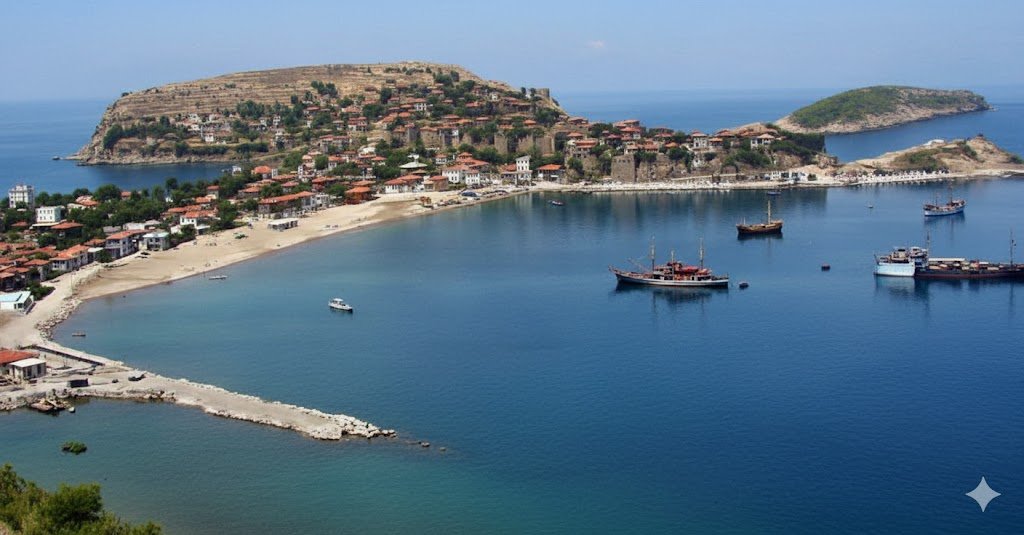
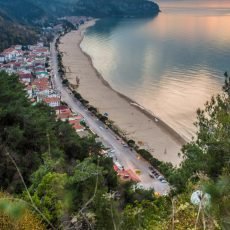
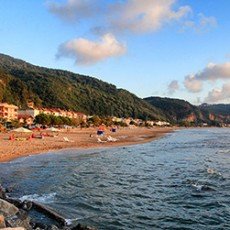
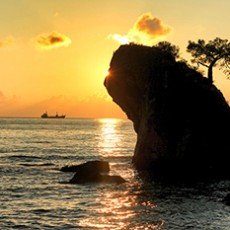
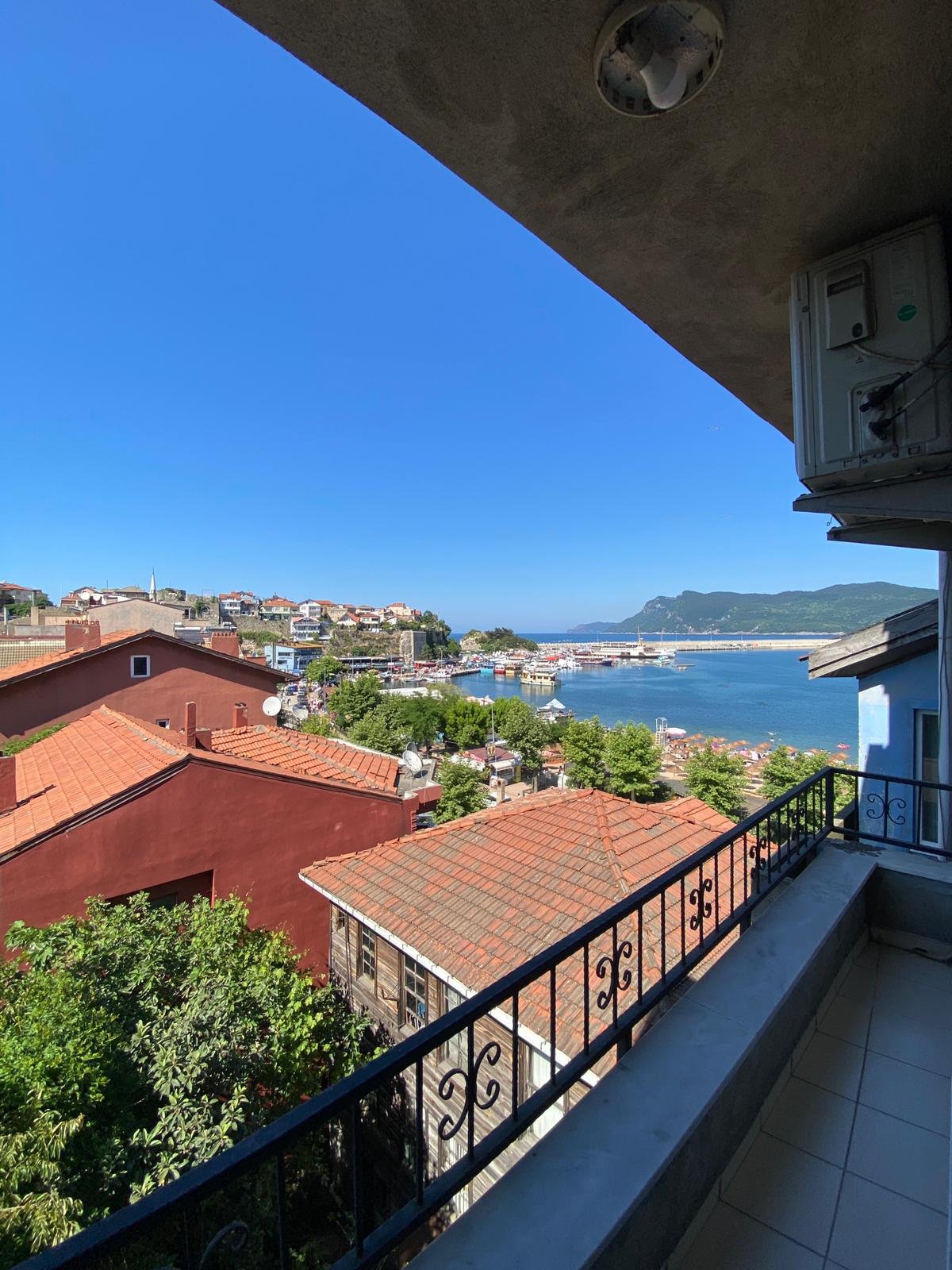
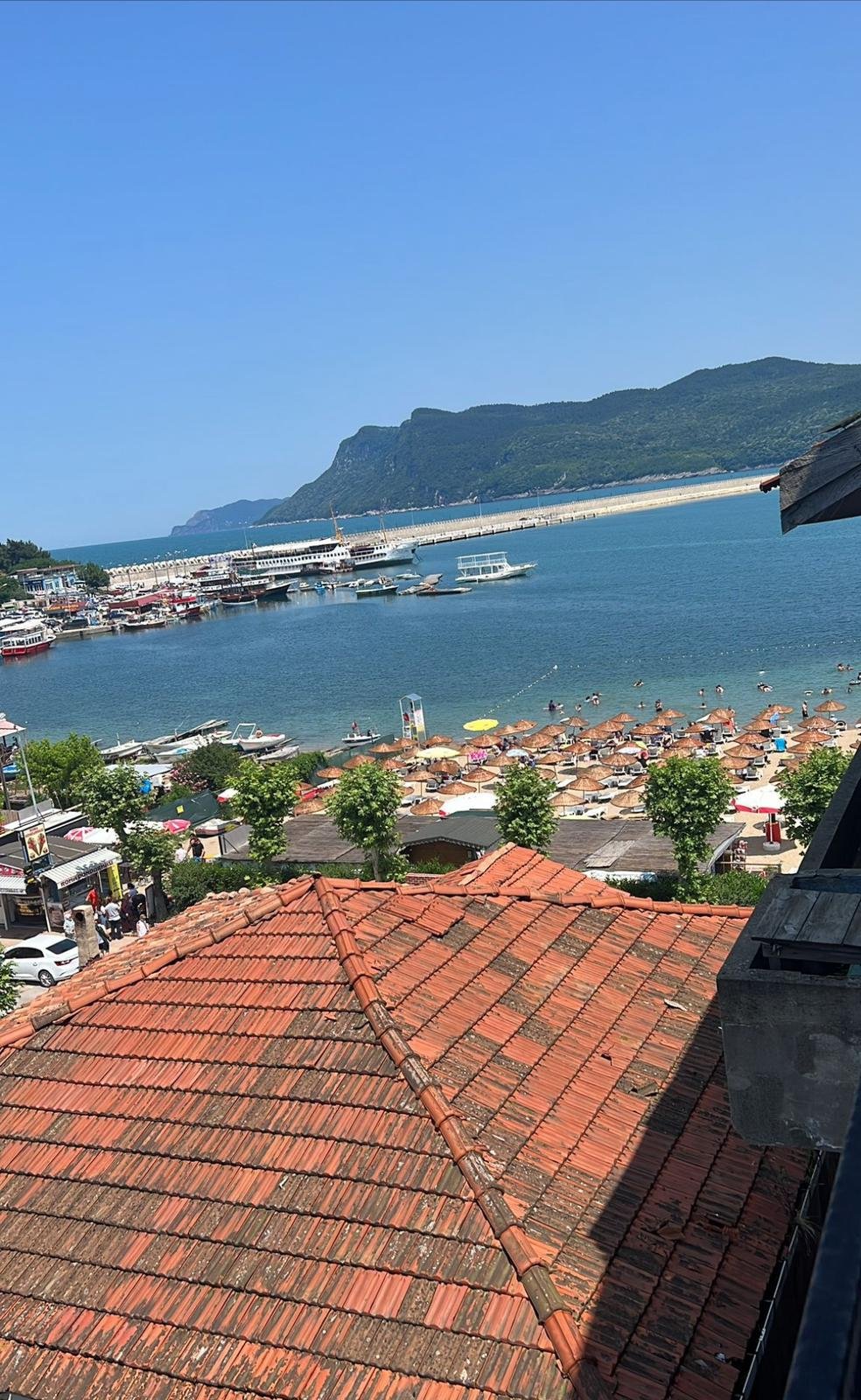
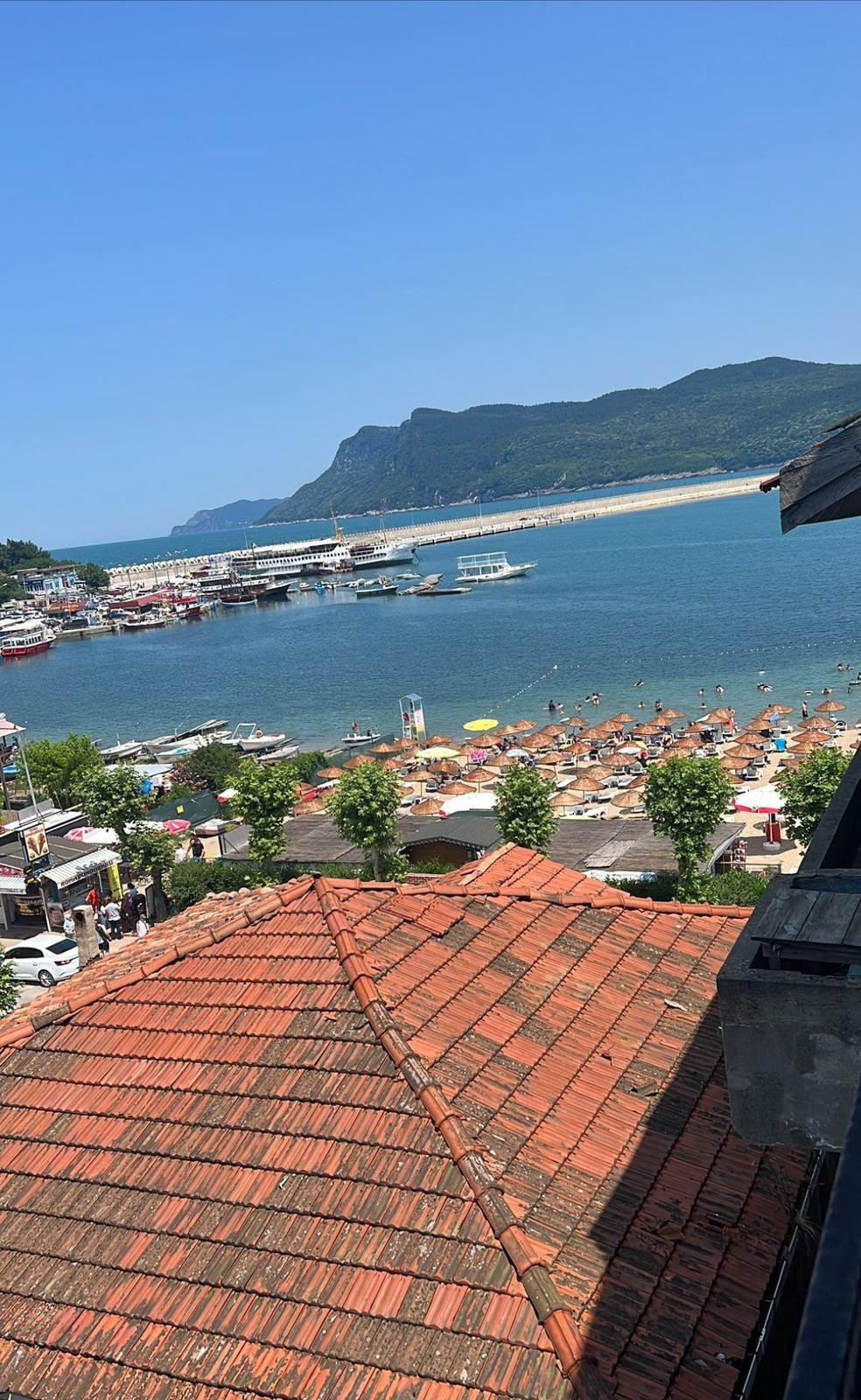
Boztepe Island (Ada Apart Pension View) Photo:Kemal Onur Ozman

Tarih Boyunca Amasra’ya Hayran Kalan Seyyahlar

Bartın’ın Karadeniz’e açılan kapısı konumunda olan Amasra, tarih boyunca seyyahların ve gezginlerin büyüsüne kapıldığı, efsanevi güzellikleriyle dillere destan olmuş bir kasabadır. Hem Anadolu’nun hem Akdeniz’in kokularını taşıyan, eski çağlardan beri liman kentlerinin en gözdesi kabul edilen Amasra; bu özelliği sayesinde pek çok gezgini, sanatçıyı ve yazarı misafir etmiştir. Amasra gezi rehberi arayışınızda, tarihin izlerini sürenlerin anlattıklarından ilham alın!

Büyük Seyyahların Gözünden Amasra

Amasra’nın güzelliklerine ilk kez hayran kalanlardan biri, ünlü coğrafyacı ve seyyah Strabon olarak biliniyor. Strabon, “Geographika” adlı eserinde Amasra’nın iki yarımadadan oluşan limanından, kalesinden ve elverişli konumundan söz etmişti. Ayrıca Osmanlı döneminde Evliya Çelebi de, ünlü “Seyahatname”sinde Amasra’dan şu sözlerle bahsetmiştir: “Kasaba, deniz kıyısında, yemyeşil bahçeleri ve berrak havasıyla göz alıcı.” Evliya Çelebi Amasra sokaklarının daracık ve taş döşeli oluşundan, Amasra Castle’nin ihtişamından ve misafirperver halkından da övgüyle söz etmiştir. (Kaynak: Evliya Çelebi, Seyahatname)

Batılı seyyahlar arasında ise özellikle 19. yüzyılın ortalarında Anadolu’yu gezen Charles Texier, Amasra’nın doğal limanını, kayalık sahillerini ve panoramik noktalarını detaylarıyla çizimlerine taşımıştır. Tüm bu kayıtlar, Amasra’nın tarih boyunca gezginlere ilham veren eşsiz bir kent olduğunu ortaya koyuyor.

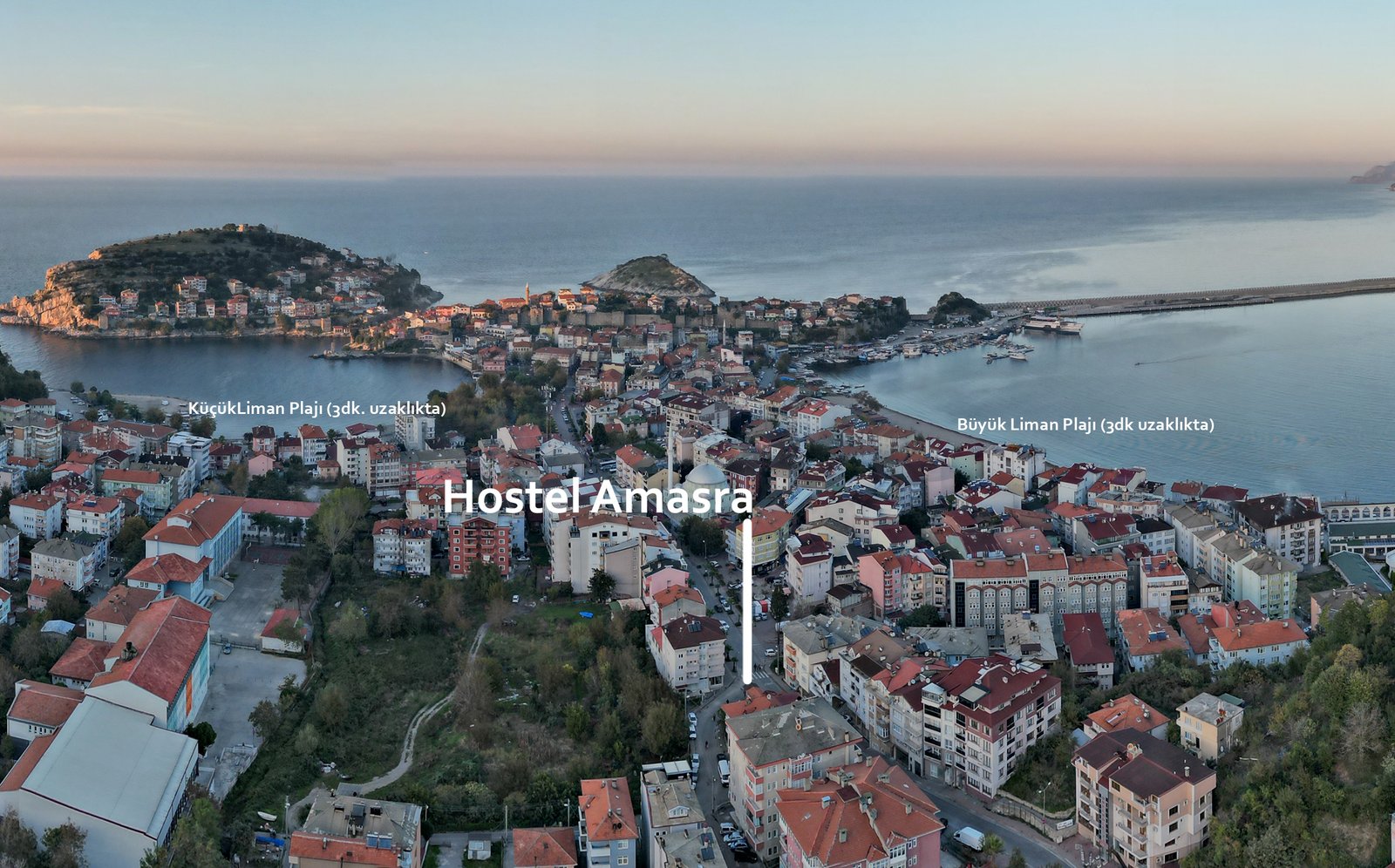
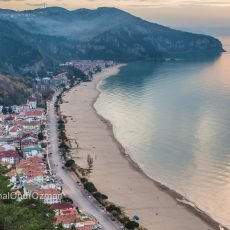
Amasra Havadan Genel Fotograflar
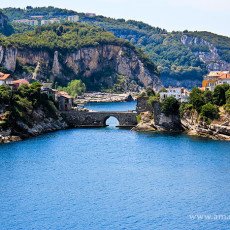
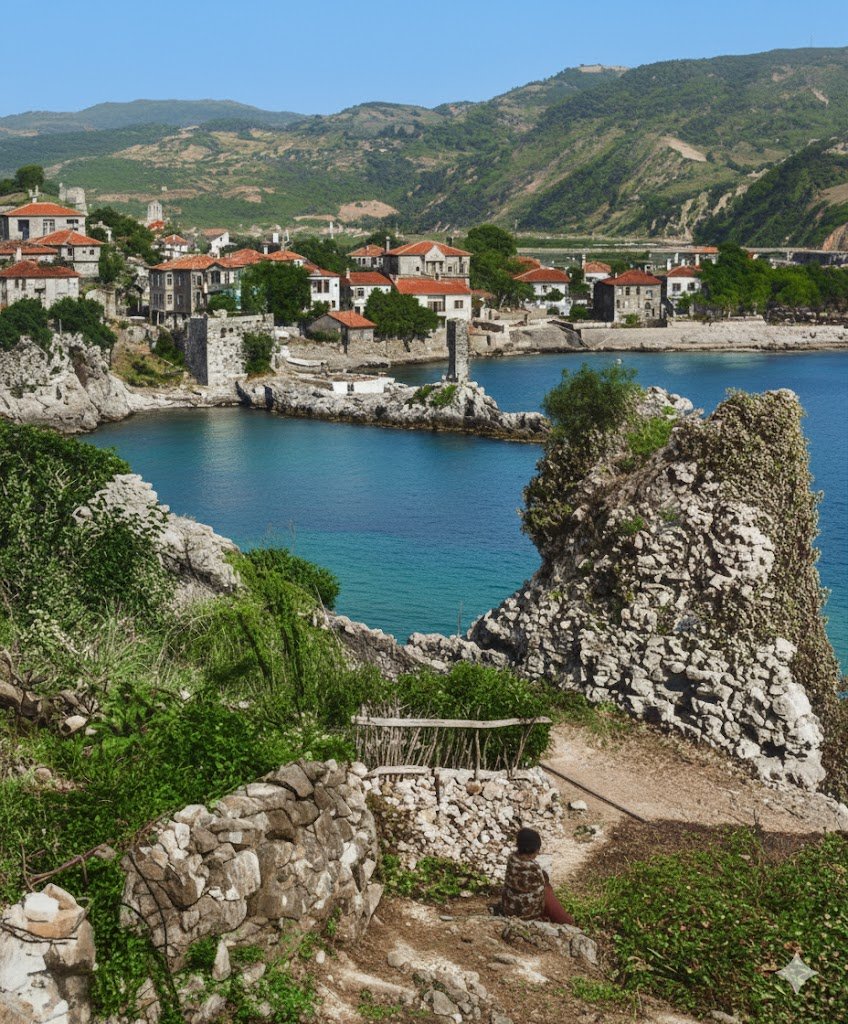
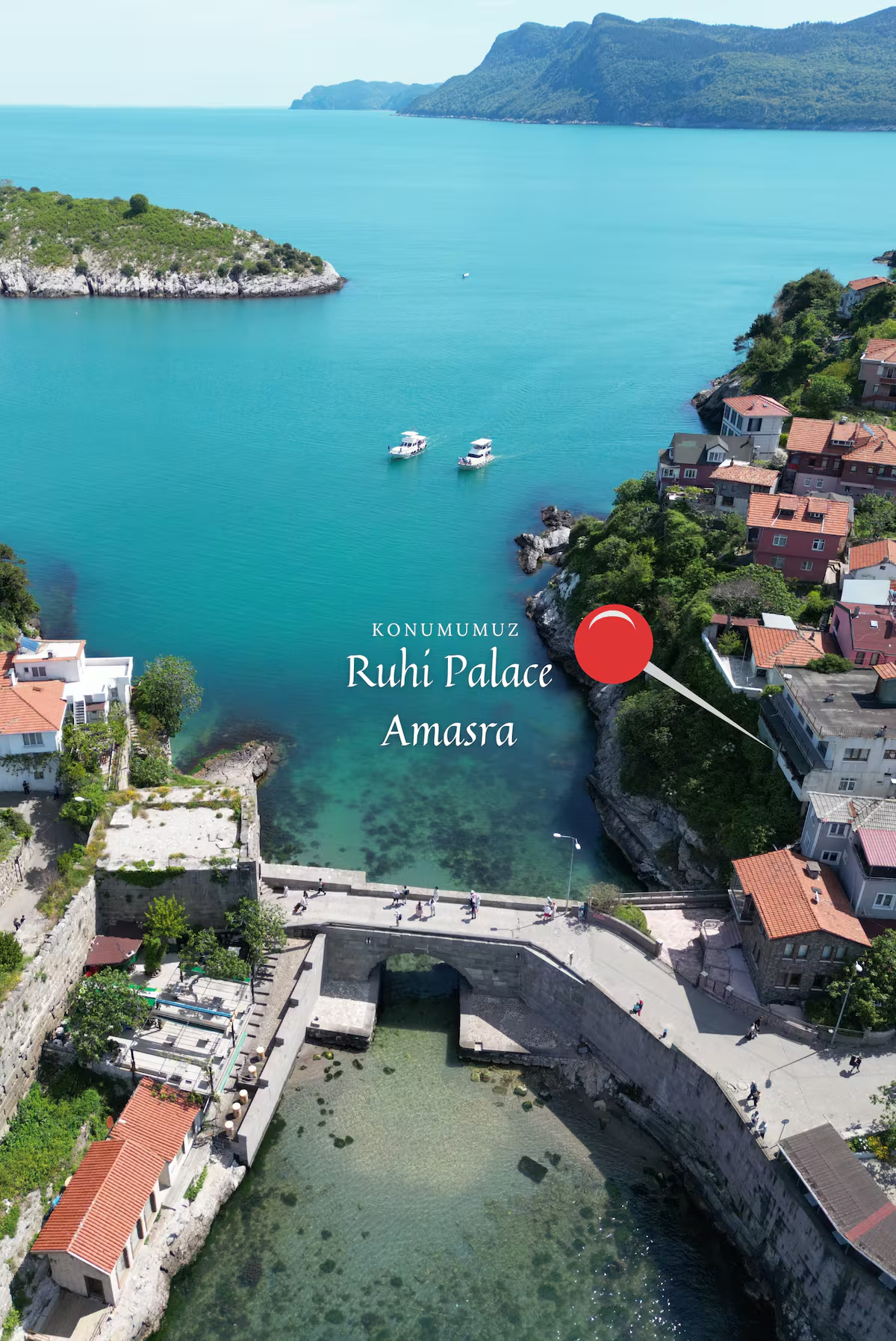
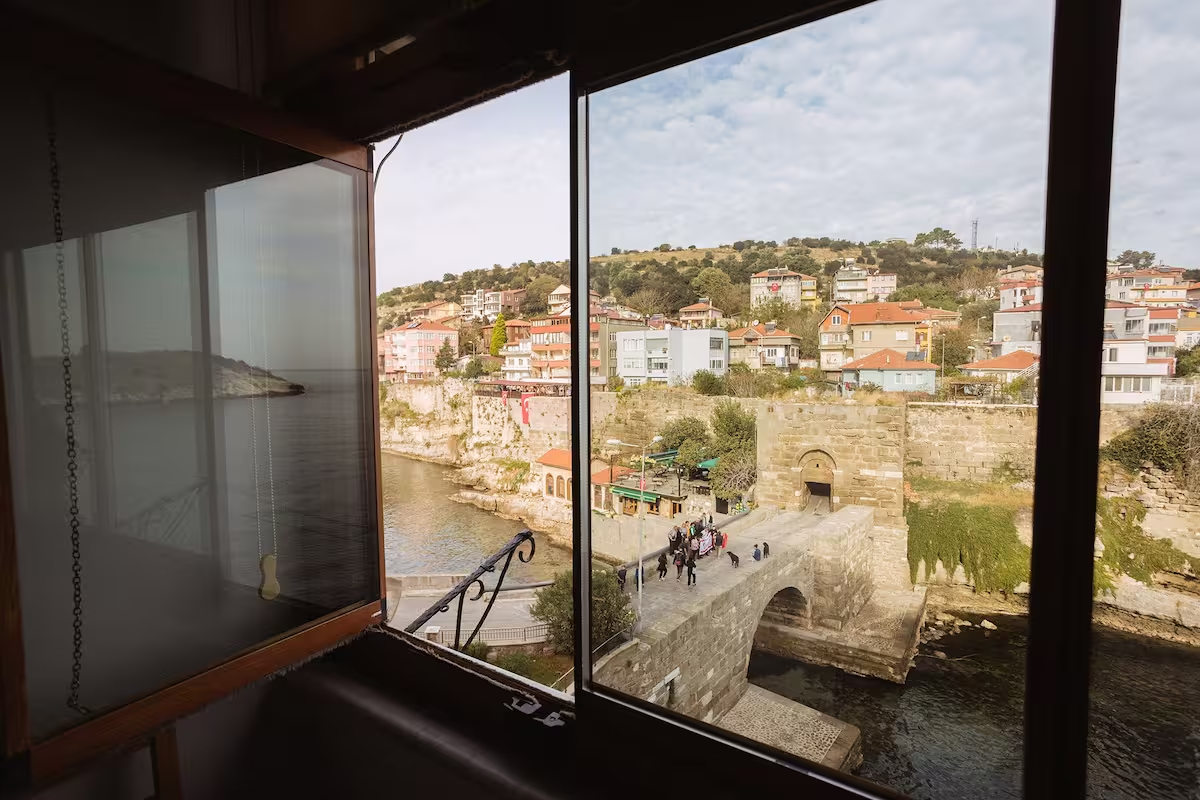
Kemere Köprüsü — seyyahların hayran kaldığı manzara

Amasra’nın Efsanevi Doğası ve Manzara Noktaları

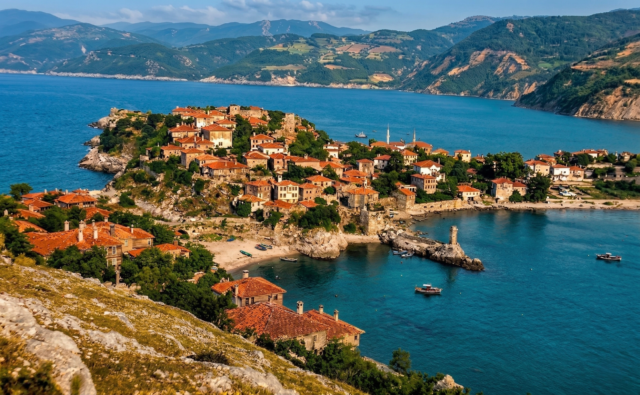
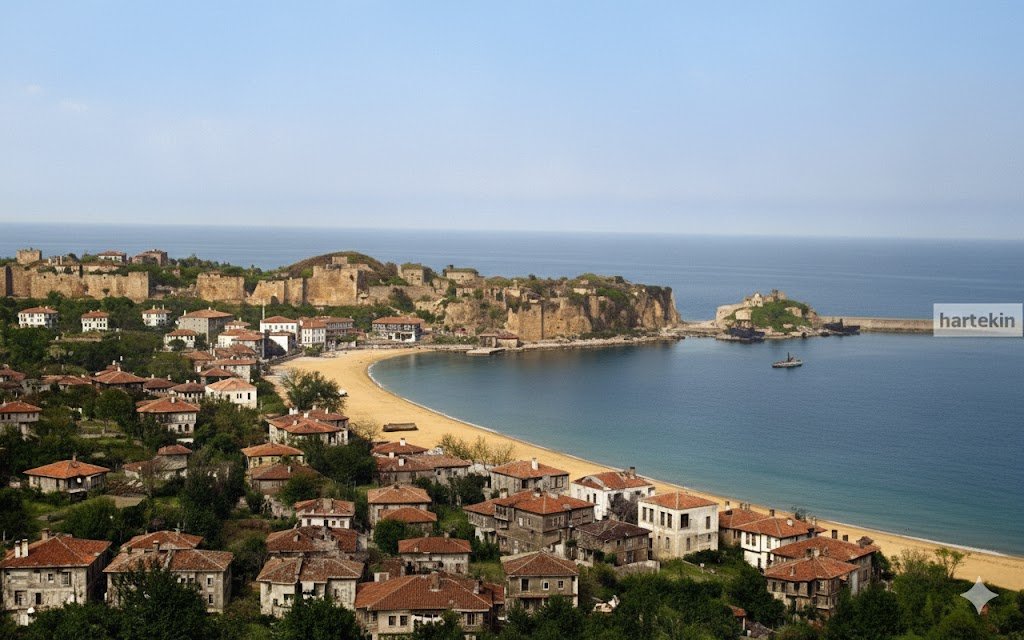
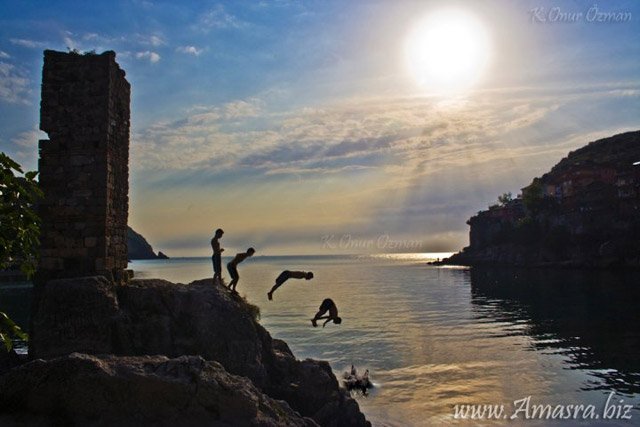
Amasra’nın seyyahları kendine hayran bırakan en önemli özelliklerinden biri hiç şüphesiz ki karşı konulmaz doğası. Kuzey Anadolu’nun kıyısındaki yemyeşil tepeler, Karadeniz’in masmavi suları ve iki yarımadadan oluşan coğrafyasıyla Amasra, kartpostal gibi görüntülere ev sahipliği yapıyor. Denizin, kale surlarının üzerinden izlenebildiği Boztepe, gün batımında romantik atmosferler yaşatan nefes kesici noktalardan sadece biri.

Günümüzde de Amasra tatil önerileri arasında mutlaka yer verilen Amasra Castle And Mast Rock, hem fotoğraf tutkunlarına hem de doğaseverlere harika kareler vadediyor. Ayrıca Kemere Bridge üzerinden tarihi bir yürüyüş yaparak eşsiz manzaralara tanık olabilirsiniz. Özellikle yaz akşamlarında liman çevresinde yürüyüşler ve tekne turları, denizle şehri bütünleştiren özel deneyimler arasında yer alıyor.

Amasra’da Nerede Kalınır? Seyyahların Tavsiye Ettiği Konaklama Seçenekleri

Dünün ünlü seyyahlarının mektuplarında ve anı defterlerinde Amasra pansiyonları ve Amasra otelleri sıkça anılmasa da, konukseverlikleri ve misafir ağırlama gelenekleri, eski çağlardan bugüne dek kentin olmazsa olmazlarından biri olmuştur. Bugün ise yolcular için birbirinden güzel Amasra konaklama seçenekleri mevcut. Özellikle eski taş evlerin restore edilmesiyle kurulan Amasra hostels, otantik atmosferleriyle dikkat çekerken, daha modern ve konforlu bir deneyim arayanlar için Amasra hotels de liman çevresinde hizmet veriyor.

Amasra’da nerede kalınır diye soranlara, şehir merkezinde deniz manzaralı otel ve butik pansiyonları, Attractive Bazaar And Kaleiçi Mahallesi gibi tarihi bölgelerde ise nostaljik taş evleri öneriyoruz. Amasra konaklama tecrübenizi otantik bir Karadeniz evi veya aile işletmesiyle zenginleştirmek, gezinize unutulmaz bir dokunuş katacaktır.

Amasra’nın Lezzetleri ve Unutulmayan Anılar

Amasra gezi rehberi arayanların asla kaçırmaması gereken deneyimlerden biri de yöresel lezzetler! 18. yüzyıl seyyahlarının notlarında bile Amasra’nın zengin ve taze mutfağına atıflar yapılmıştır. Bugün için Amasra salad, taze balıkları ve Karadeniz’e özgü sebze yemekleriyle şehrin restoranları büyük övgüyü hak ediyor.

Liman çevresinde balık lokantaları, Kaleiçi’nde ise yerel tatlıları ve geleneksel mutfağı sunan küçük aile işletmeleri mutlaka uğramanız gereken yerler arasında. Akşam saatlerinde ise sahilde yürüyüş yapmak ve meşhur karadeniz çayınızla manzaraya karşı keyif yapmak, seyyahların hatıra defterinden bugüne taşınan önemli Amasra tatil önerileri arasında yer alıyor.

Sık Sorulan Sorular

Soru 1: Amasra’da nerede konaklama yapmalı? En çok tercih edilen bölgeler hangileridir?

Amasra’da konaklama için en çok tercih edilen bölgeler arasında şehir merkezine yakın Kaleiçi Mahallesi, liman çevresi ve tarihi şehir dokusunun bulunduğu alanlar öne çıkıyor. Hem Amasra otelleri hem de Amasra pansiyonları genellikle deniz manzaralı ve merkezi konumda hizmet veriyor. Ayrıca, Boztepe tarafı da huzurlu bir tatil arayanlar için tercih edilebilir.

Soru 2: Amasra’ya ulaşım nasıl sağlanır, otobüsle gelmek mümkün mü?

Amasra’ya karayolu ile ulaşım oldukça kolaydır. Bartın’dan kısa bir yolculukla, şehirlerarası otobüslerle ya da kendi aracınızla rahatça ulaşabilirsiniz. Bartın Otogarı’ndan sıklıkla Amasra minibüsleri kalkmaktadır. Özellikle yaz aylarında büyük şehirlerden doğrudan Amasra’ya otobüs seferleri de bulmak mümkündür.

Soru 3: Amasra’da deniz keyfi için uygun plajlar var mı, hangileri önerilir?

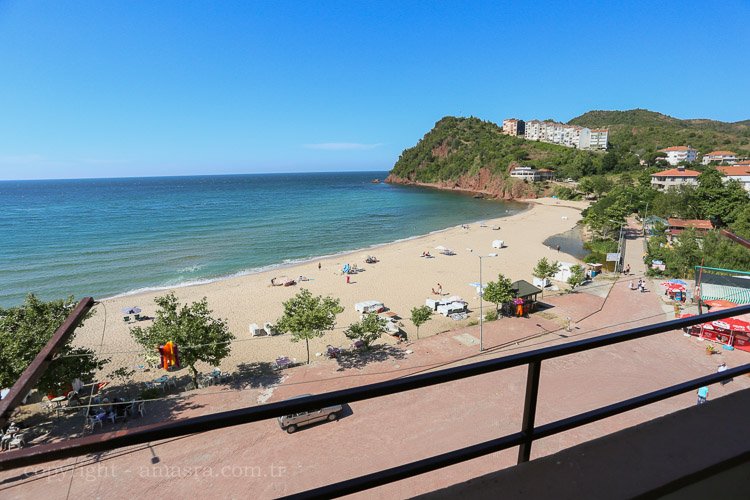
Amasra’da deniz keyfi yapmak isteyenler için Big Harbor Beach And Little Harbor Beach en çok tercih edilen noktalardır. Bu plajlar temizliğiyle ve denize kolay erişimiyle bilinir. Ayrıca Boztepe civarında daha sakin koylar da keşfedilebilir. Plajlar şehir merkezine yakın olduğundan konaklama yerlerinden yürüyerek ulaşmak mümkündür.

Kaynak: www.amasra.com.tr

Roma ve Bizans döneminde kent kimliği

Roma ve Bizans Döneminde Kent Kimliği: Amasra’nın Tarihi Yolculuğu

Amasra’nın Antik Çağda Doğuşu ve Gelişimi

Amasra, Karadeniz’in en eşsiz sahil kasabalarından biri olmasının yanı sıra, tarih boyunca birçok korunmuş kent dokusuna ev sahipliği yapmıştır. Özellikle Roma ve Bizans dönemleri, kentin kimliğinin şekillendiği, kültürlerin ve inançların birleştiği kritik zamanlardır. Antik Çağ’da amastris adıyla anılan Amasra, Helenistik dönemde önemli bir liman kenti olmuş, daha sonra ise Roma İmparatorluğu’nun Karadeniz’deki en kuzeydeki korunan kalelerinden biri olmuştur (Kaynak: T.C. Kültür Bakanlığı Kültür Varlıkları ve Müzeler Genel Müdürlüğü).

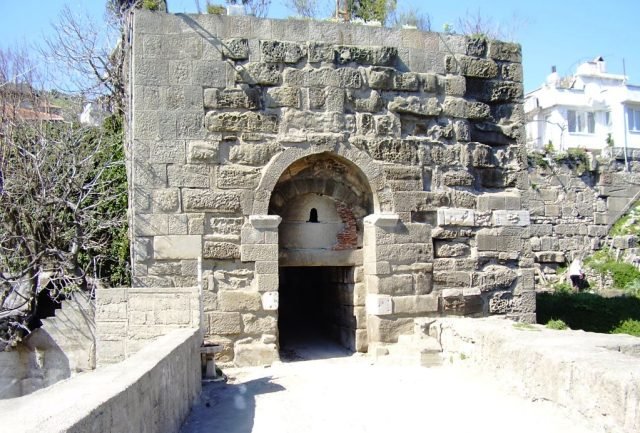
Kente giriş yaptığınızda sizi karşılayan Amasra Castle, hem Roma hem de Bizans dönemlerinde stratejik bir rol üstlenmiştir. Kalede gezerken, farklı medeniyetlerden izler taşıyan surlar ve ayakta kalan kuleler ile zamana direnen tarihi hissedebilirsiniz. Günümüzde kale ve çevresindeki taş sokaklar, Amasra gezi rehberi denilince akla ilk gelen simgelerden biridir.

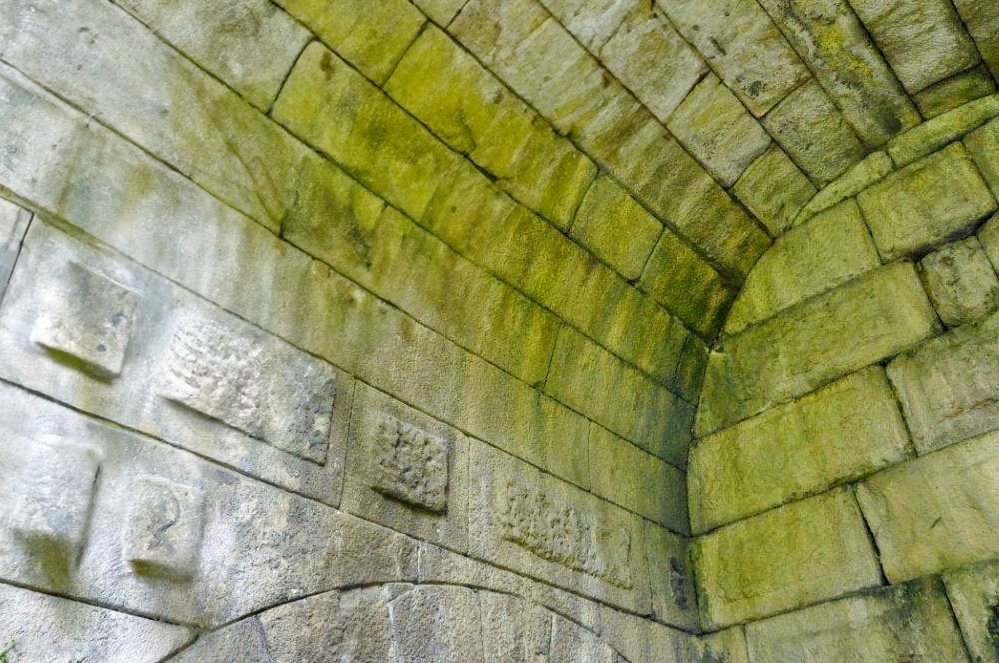
Roma-Bizans dönemi taş kemer ve kabartmalar

Roma ve Bizans Mimarisinin İzleri

Roma ve Bizans dönemlerinin kent kimliği üzerindeki izleri, günümüz Amasra’sında fazlasıyla hissedilir. Yarımadanın etrafında dolaşırken, özellikle Kemere Bridge gibi yapılar Roma mühendisliğinin zarafetini sergiler. Bu köprü, Bizans’ın savunma ve yol ağı açısından geliştirdiği yapı tekniklerini de yansıtır.

Bir diğer dikkat çeken yapı da, kentin ortasında yer alan ve halen ibadete açık olan Kilise Camii‘dir. Bu büyüleyici dini yapı, Bizans döneminde kilise olarak kullanılmış; Osmanlı döneminde ise camiye dönüştürülmüştür. Bu özellikleriyle Amasra, çok kültürlü yaşamın eşsiz örneklerinden biri olarak öne çıkar.

Doğası, Sokakları ve Manzaralarıyla Amasra

Amasra sadece tarihiyle değil, doğanın cömertliğini de her köşesinde hissettirir. Roma ve Bizans dönemlerinden kalan taş sokaklar, Amasra hotels ile çevrili unutulmaz manzaralara açılır. Kalenin surlarından Eski Liman ve Boztepe’ye bakan manzaralar, romantik bir tatil için ideal ortamlardan biridir.

Şehir merkezinde huzurlu bir yürüyüş yaparken, Amasra hostelsnın bahçelerinde yorgunluk atabilir, taze deniz ürünlerinden oluşan bir akşam yemeği için sahil restoranlarını tercih edebilirsiniz. Denize karşı kahvaltı yapmak isterseniz, pansiyonların yerel lezzetler sunan mutfaklarını da denemek enfes bir deneyim olacaktır.

Cenova Şatosu kalıntıları, Kaleiçi

Amasra’da Konaklama ve Tatil Önerileri

Amasra’nın benzersiz tarihi dokusunu keşfetmek isteyenler için Amasra’da nerede kalınır sorusu sıkça sorulur. Osmanlı ve Bizans döneminden izler taşıyan taş evlerin konuklara açıldığı Amasra hostels kadar, modern ancak tarihi dokuya uygun olarak tasarlanmış Amasra hotels de keyifli bir konaklama sunar.

Tatil planlarınızda Amasra konaklama seçeneklerine göz atarken, şehir merkezine ve kaleye yürüme mesafesindeki tesisleri tercih edebilirsiniz. Eğer romantik bir kaçamak arıyorsanız, Boztepe eteklerinde yer alan pansiyonlarda gün batımı izlemek veya tarihi sokaklarda akşam yürüyüşlerine çıkmak harika hissettirir. Amasra tatil önerileri arasında, plajlarda dinlenmek ve manzaralı bir restoranda yöresel yemeklerin tadına bakmak da mutlaka yer almalı.

Sık Sorulan Sorular

Soru 1: Roma ve Bizans döneminden kalan en önemli tarihi yapılar hangileridir?

Amasra Kalesi, Kemere Köprüsü ve Kilise Camii, kentte mutlaka görülmesi gereken tarihi yapılardır. Bu yapılar hem Roma hem de Bizans dönemlerine ait özellikler taşır.

Soru 2: Amasra’da konaklama için hangi bölgeler önerilir?

Kale çevresi, Eski Liman ve Boztepe manzaralı bölgelerdeki Amasra hostels And Amasra hotels hem tarihi dokuya yakınlığı hem de muhteşem manzaralarıyla önerilir.

Soru 3: Tarihi geziler dışında Amasra’da neler yapılabilir?

Şehirde doğa yürüyüşü, sahil boyunca bisiklet turu, plajda denize girmek ve balık restoranlarında taze deniz ürünleri tadımı gibi pek çok aktivite bulunuyor. Ayrıca Amasra gezi rehberi ile farklı rotaları keşfedebilirsiniz.

Kaynak: www.amasra.com.tr

1968 Amasra Depremi

3 EYLÜL 1968’DE MEYDANA GELEN BARTIN-AMASRA

YER SARSINTISI

Hartmann WEDDING

Maden Tetkik ve Arama Enstitüsü) Ankara

Makalenin tamamı ve fotoğrafları amasra depremi 

ÖZET. — önce, tanığı olduğum yersarsıntısının seyrinden söz etmek isterim.

Bundan sonra da yersarsıntısına temel teşkil etmiş olan nedenleri tartışmak ve nihayet özellikle mesken inşaatında

dikkate alınması gerekli sonuçlar söz konusu edilecektir.

Günlerden beri Karadeniz kıyılarında parlak bir güneş ve hemen hemen

çarşaf düzlüğünde bir deniz durumu hâkim bulunmaktaydı. Açılmak üzere bulunan

okullar dolayısıyle, sayıları binleri bulan turistler Amasra’yı terk etmişti. Havanın

güzelliği, çevre yerlilerinin birçoğu için Bartın veya Amasra pazarını ziyaret imkânı

yaratmış olduğundan, bu amaç için .ng.rülmüş olan meydanlarda toplanmışlardı.

Turislerin gitmiş olması, havanın güzelliği ve yerlilerden çoğunun açıkta bulunmuş

olmaları gibi faktörler — yani evlerden uzak bulunmaları — yersarsıntısı olduğu

anda bir ilâhî lütuf mahiyetini aldı.

3 Eylül 1968 salı günü saat 10.20 sularında, hiç bir belirli ön haberci olmaksızın

saniyelerce süren ve kulak zarlarını patlatıcı bir gürültü koptu. Zemin sallanıyor,

titriyor ve hemen ardından çok sayıda ev yıkılıyor veya az çok geniş nispette

çatlıyordu. Saat 11.19 a kadar, yani bir sonraki saat içinde, daha hafif olmak

üzere dokuz sarsıntı daha oldu ve 11.35 te, 11.36 da ve 14.23 te tekrar birkaç

şiddetlice sarsıntı kaydedildi. Zemin, akşama kadar rahata ermeyince, Amasra (ve

belki de öteki sarsılan yerlerin) halkı evlerden dışarı çıkarak açıkta gecelemeye hazırlandılar.

Saat 21.50 ye doğru sağanak halinde yağmur başladı ve geceleyin de

gök gürültüsü ortalığı çınlattı. Yağmur ancak birkaç gün sonra yavaşladı. İçme

suyu ve elektrik cereyanı günlerce kesik kaldı. 3 Ekim gününe kadar, yani tam bir

ay süreyle, zemin sarsıntısı günde 1-2 kez olmak üzere devam ettikten sonra tamamen

dinmiş g.ründü. Ancak 3 günlük bir tam sük.netten sonra, 6 Ekim günü

saat 17.47 de yeniden gümbürtülerle sarsıntılar olduğu gibi, 8 ve 12 Ekim günleri

de sarsıntı ve gümbürtüler kaydedildi. Bu sarsıntı artçılarının birkaçında, Amasra’-

da birçok pencere camı kırıldı. Sarsıntılar arasındaki aralıklar gittikçe büyümek ve

sarsıntı şiddetleri gittikçe azalmakla birlikte, aralık ayı sonuna kadar kesin bir dinme

meydana gelmedi. Birkaç günde bir, az çok şiddetli bir gümbürtü veya sarsıntı

oldu. Sarsıntıların bazen dipten gelen bir gümbürtüyle haber vermeleri, bunu takiben

belirli surette hissedilen bir sarsıntı oluşu, bazen de sadece gümbürtü olmakla

beraber, sarsıntı olmaydı dikkate değer bir olaydır.

Bununla birlikte, yalnız binalarda çatlaklar ve başka zararlar olmakla kalmamış,

karayollarında ve bilhassa vadi veya çukurlardan geçen yollarda çatlaklar

meydana geldiği gibi, yol alt yapılarının toprak yığınları halinde yükseldikleri de

136 Hartmann WEDDING

olmuştur. Yollar, dağların genel doğrultularında açılmış olduklarından, çatlaklar da

aynı doğrultuyu izlemişlerdir, yani güneybatıdan kuzeydoğuya yönelmiş bir durum

göstermişlerdir. Amasra’nın Büyük Liman çevresindeki evlerin .nünde çok güzel

iki «minyatür sistem» müşahede edilmiştir (Foto l ve 2). Bu sistemler hemen hemen

dosdoğru kuzey-güney doğrultusunda seyretmektedir. Bu yön, her ne kadar Amasra’nın

geniş çevresinde tektonik çizgi halinde sık sık ortaya çıkmaktaysa da, söz

konusu durumda tektonik ile ancak dolaylı olarak bağlantı halinde bulunmakta

olduğu muhtemeldir. Büyük Liman havzasının doğu kenarı, takriben kuzey-güney

y.nlü bir seyir takip etmekte ve limana giden yollar da, bu yüzden aynı doğrultuda

tertiplenmiş bulunmaktadır. Birbirinden birkaç metre aralıklı olan söz konusu

iki minyatür sistem, birinci binalar sırasının liman tarafındaki cephesinden takriben

1.5 m önde bulunmaktadır. Bu binalar, cephesi biraz ..kmüş ve bunun sonucu

olarak çatlaklar meydana gelmiştir.

Bununla birlikte, sert kayaçlar içinde de çatlaklar olmuş ve fakat bunlar,

çoğunlukla sık ormanlarla kaplı saha içinde pek göze g.rünür bir durum ortaya

çıkarmamıştır. Ben, Çakraz k.yünün güneyindeki Gegen k.yü yakınında birkaç

metre boyunda ve 40 cm eninde, 10 metreyi aşkın derinlikte bir çatlak g.rdüm.

Bu yarık NE y.nünden (N 35° E) gelmekte ve dikine derinlere inmekteydi.

Yersarsıntısının başka etkileri de olmuştur. Amasra ile Çakraz arasındaki

dik kıyı yükseltilerinden binlerce metre küplük kalker blokları, g.kgürültüsüne benzer

gümbürtülerle denize düşerek, burada bir yanardağın indifa etmiş olduğu fikrini

uyandıracak toz bulutları kaldırmışlardır. Toz, ancak saatler sonra durulmuş

ve bundan sonra kalkerlerin açık renkli kırılma satıhlarında yemden meydana gelmiş

olan taze d.külme hatları belli olabilmiştir. Aynı .l.üde olmamakla beraber,

buna benzer g.rüntüler, Amasra ile Çakraz arasındaki birçok yerlerde ve güneye

doğru Gegen k.yü dolaylarına kadar olan sahada da g.rülebilmektedir. Çakraz ile

Topal arasında meydana gelen böyle bir dağ kaymasında özellikle killi Lias harekete

gelmiş, bir dere mecrası tıkanmış ve böylece burada tabiî bir birikme g.lü

hâsıl olmuştur. Tortum (Erzurum) yakınındaki meşhur çağlayan da teşekkülünü

buna benzer bir nedene borçludur.

3.9.1968 günü saat 10.34 te Büyük Liman’dan bu yana, yani doğudan gelen

kü.ük bir taşma dalgası, 100 m kadar karaya sokulmuş, 14 dakika sonra gelen

ikinci dalga 50-60 m daha içeriye sızmıştır. 3 numaralı fotoda ikinci dalganın ortaya

çıkardığı süpürme bordürü belli olarak g.rülmektedir. Bu dalga, odun parçaları

ve sehpalarını, yani gemi kızaklarını sürüklemiş olmakla kalmamış, birçok kayığı

da karaya oturtmuştur. Bu kayıklardan biri de fotoda g.rülmektedir. Suyun

sessiz sedasız ve g.rünürde durmak bilmeyen ilerlemesini gözetlemek dehşet verici

bir durum olmuş ve orada bulunan birkaç seyircide bir panik başlangıcı başgöstermiştir.

Belli olmayan bir zamanda, belki de birinci ve ikinci dalga arasında geçen

zaman içinde, Amasra’nın Kü.ük Liman’ı tamamen boşalmıştır. Bunun kesin olarak

ne zaman meydana geldiği artık tespit edilememiştir; yerliler, sarsıntının devamınca

pek tabiî olarak saatlerine bakmaya vakit bulamamıştır.

Dalganın gelişi, muhtemelen, Çakraz çevresindeki sahanın yükselmiş olmasından

ileri gelmiştir. Köy, kuzeye açık bir körfezdedir ve çok güzel bir plajı vardır.

Bu körfezin batısıyle doğusunda, dikine güneye düşen Alt Permien kumtaşBARTIN-

AMASRA YERSARSINTISI 137

ları sınırı meydana getirir. Sarsıntıdan önce ancak sakin deniz ve bir hayli zahmet

verici bir tırmanmayla, körfezin batı tarafından kuzey burnuna yetişmek mümkündü.

Sarsıntı, bu batı tarafını ortalama 60 – 75 cm, yer yer 100 cm kadar yükseltmiştir.

Az ve fakat devamlı su altında bulunan kavkı sahası (Muschelrasen),

bugün su seviyesinin üstüne çıkmış ve böylece kuzey burnuna kadar ilerlemeyi

gayet kolay bir duruma getirmiştir. Körfezin doğu tarafında ise her şey, hemen

hemen eski durumunda kalmıştır. Orta kısım, yani özellikle plaj, sarsıntıdan sonra

10-15 metre nispetinde genişlemiş, deniz biraz çekilmiş, kumsal hafifçe yükselmiştir.

Tersine ön işaretli bu gibi hareketler Amasra’nın Büyük Liman çevresinde

de g.rülmektedir. Burada epey zaman önce, su hattından takriben 4-6 metre uzaklıkta,

kuma sağlam bir demir kazık sokulmuştu. Sarsıntıdan sonra, su hattı l

metreye kadar bu kazığa yaklaşmış ve denizin dibi burada bir miktar alçalmıştır.

Liman havzasının orta b.lümünde de 10 – 20 cm nispetleri içinde alçalmalar müşahede

edilmektedir.

A. Kalafatçıoğlu’nun bildirilerine bakılırsa, bu felâkette 29 kişi can vermiştir.

Yüzlerce kişi yaralanmış, tüm olarak 2000 ev tamamen ve 2650 ev kısmen harap

olmuştur. Harap olan evlerden birçoğu, ana sarsıntıdan sonra, inhidam tehlikesiyle

yıktırılmıştır. Başlıca zarar gören saha olarak Amasra – Bartın – Kayadibi –

Cumayanı – Çakraz (Şek. 1) mevkileri gösterilmektedir. Bu bölge içinde özellikle

genç alüvyonlar üzerine inşa edilmiş evler sarsıntıdan zarar g.rmüşlerdir. Sıkı zemin

üzerine yapılmış olan evler ise, geniş .l.üde zarardan korunmuşlardır. Pek

tabidir ki, nedenleri söz konusu evlerin inşa tarzına bağlı birçok istisnalar da yok

değildir. Sıkı zemin üzerine oturmuş evler, yaşlı veya k.tü inşa edilmiş olmaları

halinde, sarsıntıdan zarar g.rmüş oldukları gibi, alüvyonlar üzerine yapılmış evler

de dikkatli inşa edilmiş olmaları halinde, büyük .l.üde korunmuşlardır. Zarar

görmemiş olan evlerin dikkati çeken çoğunluğunda sadece bacalar yıkılmıştır ki,

bu da bu gibi evlerin bundan sonraki inşalarında daha dikkatli davranmak gerektiğini

gösterir bir işarettir.

Zarar g.rmüş evlerde, ortaya çıkan zarar iki şekilde ayrımlanabilir. Bunlardan

biri dikey sarsıntı y.nüne dayanan tip, ve ikincisi daha ziyade yatay komponentler

gösteren tiptir. Birinci sarsıntı y.nünde, evler bütün anlamıyle ..kmüş,

düşen eşyanın dağılma sahası pek az olmuş, çatı hemen hiç bozulmaksızın yıkık

bina üzerine oturmuş kalmıştır. Bay A. Kalafatçıoğlu’nun bana bırakmak lûtfunda

bulunmuş olduğu 4 numaralı foto, bu tipi pek etkili olarak göstermektedir. Bu

foto, İnpiri’nin birkaç yüz metre batısından çekilmiştir. Daha ziyade yatay komponentli

olan tipte, enkazın dağılma ve yayılma sahası tâbiatiyle çok daha büyüktür.

Nitekim, 5 numaralı foto, bir ev duvarının dikine aşağıya göçmemiş olduğunu

ve fakat yandan gelen sadme yüzünden az çok yol tarafına devrilerek, yolun

bütün genişliğini enkazla doldurmuş olduğunu çok belirli olarak göstermektedir.

Fotonun ön planındaki pencere çerçeveleri bunu çok güzel belirtmektedir. Bu çerçeveler

evin üst katına aittir. Orta plandaki ağır parçalar bile dikine aşağıya düşmemiş,

sarsıntının şiddetiyle evden birkaç metre öteye fırlatılmışlardır. Ben bütün

..kmüş binaları göremediğim için, açıklamış olduğum iki tipin meydana getirdiği

miktar nispetleri hususunda bir beyanda bulunmam mümkün değildir. G.rdüğüm

şudur ki, dikine olan tip daha az hâkimdir. Ana sarsıntıyle birinci dalganın geliş

zamanı arasında, yerden çok sayıda suların fışkırması ve bunun da yaklaşık olarak

dalga bordürüyle 3 numaralı fotoda karaya vurmuş olarak g.rülen kayık ara138

Hartmann WEDDING

sındaki sahada meydana gelmiş bulunması da bu durumu belirtmektedir. Bu g.rüntü

nispeten gevşek olan kumların aniden oturmuş olmalarıyle izah edilebilir. İkinci

dalga gelmeden önce, söz konusu su fışkırmaları tekrar dinmiştir.

Sarsıntının nedenleri, hiç şüphesiz, tüm bölgenin büyük tektoniğinde gizlidir.

Bartın sartıntısından birkaç gün sonra İran’da da büyük bir zelzele olmuş ve

ondan da birkaç hafta sonra Çanakkale çevresinde birkaç hafif sarsıntı kaydedilmiştir.

Geçen iki yılda Anadolu’da meydana gelmiş olan büyük.e yersarsıntılarını

da hesaba katarsak, yani Varto (1966) ve Adapazarı (1967) zelzelelerini sayarsak,

yerkabuğunun büyük çatlaklarından birinin buradan geçmekte olduğunu (Anadolu’da

«Paflagonya sikatrisi» olarak bilinen hat) ve fakat bu sikatrisin fonksiyonu hususunda

henüz nispeten az şey bildiğimiz ortaya çıkar. 3.9.1968 yersarsıntısının neBARTIN-

AMASRA YERSARSINTISI 139

denlerini bilimsel bakımdan doğru olarak değerlendirmek için, her halde ortaya

çıkan zararların detaylı bir haritasını çıkarmak gerekir; yani bütün tam, kısmen

veya az hasar g.rmüş evleri 1:25 000 ölçekli bir haritaya almak zorunluğu meydana

çıkar. Ben, adı geçen felâket bölgesinde yıllarca çalıştığım için, şu g.rüşü

öne sürebilirim: Çakraz doğusundaki çevrede bulunan Permien, takriben 3000 m kalınlığındadır.

Çakraz’ın batısında ise, birkaç kilometre gibi kü.ük bir menzil içinde

bu kalınlık 100 metre kadar bir nispete düşer. Demek oluyor ki, burada Permien

devrinde, doğudaki komşu bölgenin aksine pek az ..kmüş olan bir saha bulunmaktaydı.

Bu yavaş ve bir nevi frenlenmiş olan çökme tandansı, Permieni takip

eden Jura devrinde (burada şimdiye kadar Trias mevcudiyeti kesinlikle ispatlanamamıştır)

kısmen biraz olsun dengelenmiştir. Lias devri burada yer yer 500 m

kalınlıkları bulur (normal olan 50-100 metreye karşılık). Senomanien ise 600 metreyi

geçer. Bu duruma göre burada, jeolojik zamanlar boyunca çok hareketli olmuş

bir zon ile karşı karşıya bulunmaktayız ve bu süre içinde 3 eylül 1968 de yine

kü.ük bir hareket yüzeye çıkmıştır.

Bu hareketli zonun seyri hususunda ne yazık ki, hiç bir bilgimiz yoktur.

Bununla beraber, 1:500 000 jeolojik haritanın Zonguldak paftasını gözden geçirecek

olursak, Bartın’ın takriben 30 km SSE sundaki metamorfiğin veya Devonienin bir

ada gibi Mesozoikten dışarı çıkmış olduğunu g.rürüz. Amasra’nın hareketli yüksek

zonunun, dikine güneye, yani s.zü geçen bölgeye kadar uzanmakta olduğu düşünülebilir

ki, böylece haritası alınan sahalarda da müşahede edilmiş olan kuzey-güney

seyirli dislokasyon zonlarını daha iyi anlamamız mümkün olur. Ancak itiraf etmek

gerekir ki, hareketli zonun güneye uzantısı bugün için ancak muhayyel bir faraziyeden

öteye geçemez ve bu zon için şimdilik elimizde başkaca bir dayanak noktası

veya delil bulunmamaktadır.

Şimdi, Bartın-Amasra bölgesinde .nümüzdeki gelecekte tekrar büyük.e bir

yersarsıntısının muhtemel olup olmadığı gibi, ivedilik taşıyan bir soruyle karşılaşmaktayız.

Bu soruya olumlu karşılık veremediğimiz gibi, olumsuz karşılık da vermemizin

imkânı yoktur. Daha eskiden burada her halde yersarsıntıları olmuştur. Kalker

yükseltilerinden vadilere uzanan moloz akıntıları gibi hiç olmazsa kısmen az çok

şiddetli sarsıntılarla kopmuş olan bu sürüklenmelerden ve özellikle bölge içinde

her adımda rastlanan ve kısmen pek genç olan dislokasyonlar bunu göstermektedir.

Bununla birlikte, sarsıntılar arasındaki sük.net zamanları, g.rünürde kişinin kavram

gücü bakımından bir hayli önemlidir; yani bu aralıklar birkaç yüzyılda bir meydana

gelecek bir nispet gösterir; zira, henüz kısmen bir hayli sağlam kalmış olan

Amasra kalesinin duvarlarında herhangi bir etki izine rastlanmamaktadır. Amasra,

tam anlamıyle bir sarsıntı bölgesi olsaydı, kale de bir hayli tahribata maruz kalmış

olacaktı.

Buna rağmen, özellikle yeni ev inşaatında çok dikkatli davranmak gerekir.

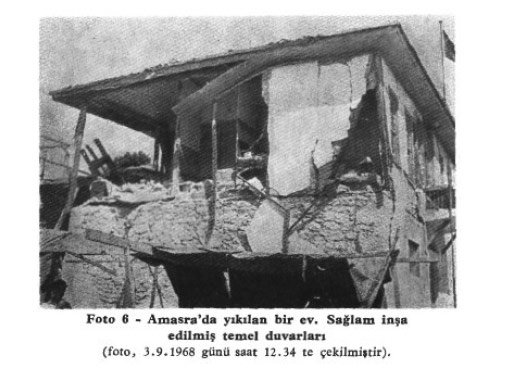
6 numaralı foto, Amasra’nın Büyük Limanı kıyısındaki bir evi göstermektedir.

Gümrük idaresinin bulunduğu bu* binanın temel duvarları çok sağlam yapılmış

olduğundan, sarsıntıdan hemen hemen hiç zarar görmeksizin çıkmıştır. Yalnız yer

yer sıva d.küntüsüne rastlanmaktadır. Buna mukabil üst yapı oldukça kuvvetli

zarar g.rmüştür. Bunun da başlıca nedeni, 10 santimetreyi geçmeyen çok ince duvarlar

ve yetersiz inşaat malzemesi kullanılmış olmasıdır. 4 numaralı foto da, başka

bir misal vermektedir; burada g.rdüğümüz ev, 1967 yaz mevsiminde inşasına başlanılmış

bir evdir. Bu ev, olduğu gibi ..kmüştür. Bunun da nedeni, hiç şüphesiz

140 Hartmann WEDDING

duvarların yetersiz olan kalınlığıdır. Fotodan açıkça g.rülmektedir ki, bu duvarlar

tek tuğlayla .rülmüştür. Bunun gibi kusurlu inşa edilmiş evler, bir yersarsıntısında

tâbiatiyle oyun kâğıtları gibi yıkılırlar. Sarsıntının bir yerden ötekine değişen entansitesi

gibi birçok faktörlerin burada önemli bir rol oynamış oldukları bellidir.

İnsanoğlunun bu faktörleri önleme yeteneği yoktur, ancak evleri usulüne uygun

olarak inşa etmek ve böylelikle harap olma ön şartlarının birçoğunu engellemek

yeteneği var olsa gerektir. Evlerin alüvyonlar üzerine inşa edilmeleri de pratik

nedenler yüzünden her zaman engellenemez. Bununla birlikte, mümkün olan yerlerde

inşaatı sağlam temel üzerine oturtmak pekâlâ mümkündür. Bartın-Amasra sarsıntısında

yıkılan evlerin sayısı, ev inşaatına daha fazla dikkat edilseydi her halde daha

az olurdu. Bu yersarsıntısından alacağımız ders, hiç şüphesiz şudur: Ev inşaatında

daha dikkatli davranmak.

Neşre verildiği tarih 8 Ocak, 1969

B İ B L İ Y O G R A F Y A

KALAFATÇIOĞLU, A. (1968) : Bartın-Amasra depremi. M.T.A. Haberleri, Cilt, 7, no. 10.

WEDDING, H. (1968) : Amasra-Cide-Ulus bölgesindeki karbon gazı etüdleri. M.T.A. Rap. no.

“Sesamos” isminin kökeni

Amasra Sikkeleri

“Sesamos” İsminin Kökeni: Amasra’nın Tarihindeki İlk İzler

Amasra’nın benzersiz tarihi, yemyeşil doğası ve Karadeniz’e uzanan nefes kesici manzaralarıyla buluşan sokaklarında gezerken, binlerce yıl öncesinin izleriyle karşılaşmak mümkündür. Ancak belki de birçok ziyaretçinin bilmediği, Amasra’nın ilk ve en özgün isimlerinden biri olan “Sesamos”un, bu kadim kentle nasıl bütünleştiğidir. Bu yazımızda, “Sesamos” isminin kökenini, Amasra’nın geçmişinden günümüze uzanan yolculuğunu ve bu gizemli adın bölgenin dokusundaki önemini keşfedeceğiz.

“Sesamos” Nedir? Amasra’nın İlk Adı

Amasra, tarihsel olarak “Sesamos” adıyla anılmıştır. Homeros’un meşhur eseri İlyada Destanı’nda bile adı geçen “Sesamos”, Batı Karadeniz’in en eski yerleşimlerinden biri olarak bilinir. Araştırmalar, bölgenin antik çağlarda Paphlagonia olarak adlandırılan ve bugünkü Bartın çevresini kapsayan bir coğrafyada yer aldığını ve “Sesamos”un bu yörenin en gözde limanlarından biri olduğunu gösteriyor (Kaynak: Prof. Dr. Şerife Geniş, “Paphlagonia ve Amasra”, Kültür Bakanlığı Yayınları).

Yunanca kökenli olan “Sesamos” ismi, zaman içinde değişerek önce “Amastris”, ardından da günümüzde bildiğimiz “Amasra” formuna dönüşmüştür. İskenderiye’li Amastris adını taşıyan Pontus Kraliçesi, kenti yeniden inşa ettirmiş ve şehre kendi adını vermiştir. Ancak bu değişimden önce, kentin kökenlerinde ve bugün hala korunan bazı tarihi kalıntılarda “Sesamos” ismi yaşamaya devam ediyor.

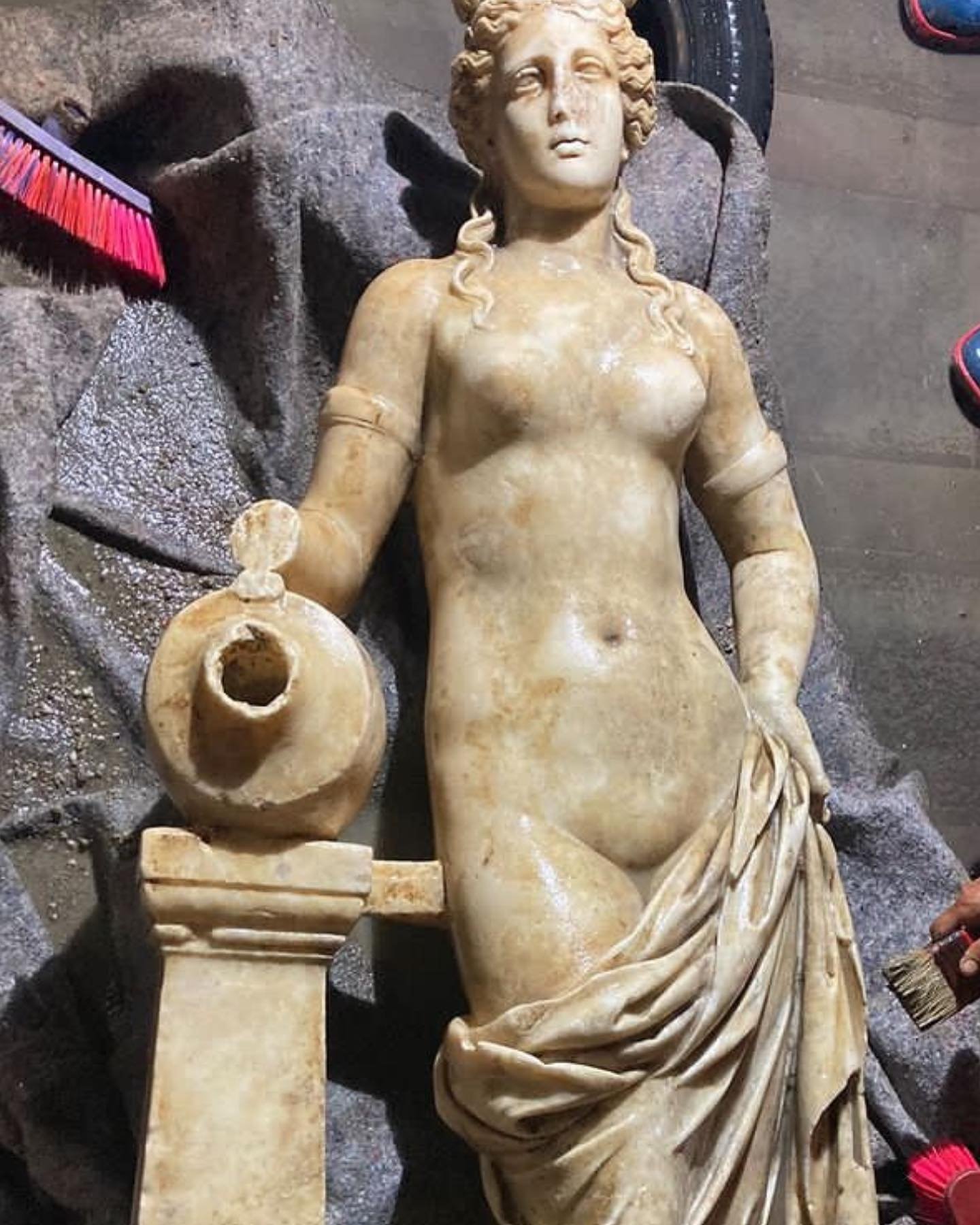
Amasra Müzesi — antik dönem eserleri

Antik Dönemden Günümüze: Sesamos’un İzinde Amasra’daki Tarih Turu

Amasra’yı ziyaret edip onun huzurlu atmosferinde dinlenmek isteyenler için, antik “Sesamos”dan günümüze kalan izler adeta bir Amasra gezi rehberi niteliği taşıyor. Şehre ayak bastığınızda, Amasra Castle, Roma döneminden kalma surlar ve Bizans dönemine ait kilise kalıntıları halen ayakta. Kale surlarından Karadeniz’in masmavi sularına bakarken, binlerce yıl önce buradan denize açılan ticaret gemilerini hayal edebilirsiniz.

Birçok Amasra pansiyonu ve butik Amasra hotels, tarihi dokunun içinde, eski taş konaklarda misafirlerini ağırlıyor. Eğer Amasra’da nerede kalınır diye düşünüyorsanız, tarih meraklılarına şehrin merkezindeki otantik pansiyonlar, hem konfor hem de nostalji sunuyor. Bazı pansiyonlar, antik liman manzarasına açılan balkonlarıyla, size adeta Sesamos’un ruhunu yaşatıyor.

Doğanın ve Tarihin Buluştuğu Nokta: Manzaralar ve Konaklama Önerileri

Amasra’nın dört bir yanını keşfederken, doğa ve tarihin iç içe geçtiği romantik köşelerine mutlaka uğramalısınız. Boztepe Adası’ndan kente bakınca, antik dönemin izleriyle sarmalanmış doğal güzellikleri görebilirsiniz. Özellikle seyahat plan

Antik dönem Amasra’sı ve kurucuları

Antik Dönem Amasra’sı ve Kurucuları

Karadeniz’in masalsı kıyılarında yer alan Amasra, sadece bugünün tatilcilerinin değil, binlerce yıl öncenin yerleşimcilerinin de gözbebeğiydi. Tarih boyunca birçok medeniyete ev sahipliği yapan bu nefes kesici yarımada, antik dönemden günümüze uzanan köklü geçmişiyle hem gezi severlerin hem de tarihe meraklıların vazgeçilmez rotalarından biri olmuştur. “Amasra otelleri”nde geçmişin yenilenmiş ruhunu solumak isteyenler ve “Amasra tatil önerileri” arayan gezginler için işte Amasra’nın antik hikâyesi, kurucuları ve eşsiz güzellikleri!

Antik Dönemin Parlayan Yıldızı: Amastris’ten Amasra’ya

Amasra’nın adı, antik kaynaklara göre Büyük İskender’in komutanlarından Herakleia’lı Dionysos’un kızı amastris’ten geliyor. Amastris, M.Ö. 4. yüzyılda bölgeye kendi adını verdi ve kenti “Amastris” adıyla kurdu. Strabon, Arrianos ve Plinius gibi antik kaynaklar da bu bilgilere yer veriyor. Bu kraliçe, kente limanlar, surlar ve tapınaklar inşa ettirdi. Aynı zamanda Amasra, Persler, Helenler ve Romalılar gibi pek çok uygarlığın izlerini üzerinde taşıyan “canlı bir açık hava müzesi” görünümündedir.

Antik dönemden günümüze ulaşan Amasra Castle, Bizans ve Cenevizliler döneminde de kullanılmış ve günümüzde hala dimdik ayakta. Taş duvarlar arasında dolaşırken, tarihin derinliklerinden gelen bir melodiyi hissedersiniz.

Amasra Müzesi'nin sergi salonu
Amasra Müzesi’nin sergi salonu

Kuruculardan Miras Kalan Tarihi Sokaklar ve Doğa

Amasra’nın çarşısında yürüyüşe çıktığınızda, etraftaki taş döşeli dar sokaklar, rengârenk eski evler ve çiçekli pencerelerle “tarih” soluklanır adeta. Bu atmosfer, “Amasra gezi rehberi”lerinde ilk sırada önerilir. Limandan bakınca Antik liman kentinin şekli ve Boztepe’yi ana karaya bağlayan meşhur Kemer Köprü hemen dikkatinizi çeker.

Doğanın kucağında süzülen Amasra’nın plajları, özellikle yaz aylarında deniz ve kumun tadını huzur içinde çıkarmak isteyenler için harika bir seçenek. Özellikle Little Harbor Beach And Big Harbor Beach aileler için güvenli ve keyifli alanlar sunar. Sahildeki çay bahçelerinde Karadeniz’in hırçın dalgalarını seyre dalabilir ya da akşamları romantik yürüyüşler yapabilirsiniz.

Amasra’da Nerede Kalınır? Konaklama ve Lezzet Durakları

Amasra yalnızca tarihiyle değil, konaklama seçenekleriyle de meşhur. Tarihi evlerden dönüştürülmüş Amasra hostels yerel dokuyu hissetmek isteyenler için samimi ve sıcak seçenekler sunar. Yarımadanın yüksek tepelerindeki Amasra hotels ise modern konforu ve kusursuz manzaraları bir arada yaşamak isteyenlere hitap ediyor.

Amasra’da konaklama planı yapanlar için “Amasra’da nerede kalınır?” sorusu sıkça araştırılır. Şehrin merkezinde butik oteller veya Boztepe tarafında doğal manzaralar eşliğinde hizmet veren pansiyonlar tercih edilebilir. Gezginlere yönelik “Amasra tatil önerileri” ve “Amasra gezi rehberi” listelerinde, konaklama ile birlikte meşhur fish restaurants ve taze salataları da mutlaka yer alır.

Antik döneme ait taş işçiliği ve kabartmalar

Antik Amasra’da Gezilecek Yerler ve Romantik Aktiviteler

Tarihe tanıklık etmek isteyenler için başta Amasra Castle olmak üzere Kemere Bridge And Bedesten mutlaka görülmeli. Antik dönem tapınak kalıntıları ve müzedeki eserler size Amasra’nın yaşanmışlığını fısıldar.

Romantik bir tatil planı yapanlar için Göldere Şelalesi çevresindeki yürüyüş parkurları, gün batımında ise Boztepe Seyir Terası’nda Amasra ve Karadeniz’i izlemek unutulmaz anılar bırakacaktır.

Her yıl daha fazla ziyaretçi çeken bu antik rotada kendiniz için hem tarihin hem de denizin tadına doyacağınız bir yolculuk planlayabilirsiniz. “Amasra otelleri” ya da “Amasra pansiyonları”nda kalırken sabah erkenden kalkıp balıkçı motorlarını izleyebilir, geceleri ise sahilin serinliğinde yıldızlara dalabilirsiniz.

Sık Sorulan Sorular

Soru 1: Amasra’da nerede kalınır? Otel ve pansiyon seçenekleri neler?

Amasra’da pek çok otel ve pansiyon seçeneği mevcut. Tarihi merkezdeki butik oteller özellikle ilgi görürken, Boztepe ve liman çevresindeki modern oteller de popülerdir. Doğayla iç içe bir ortam isteyenler ise bahçeli pansiyonlarda konaklayabilir. Erken rezervasyon avantajlarından faydalanmak için seyahatten önce otel ve pansiyonları inceleyebilirsiniz.

Soru 2: Amasra’ya nasıl ulaşılır ve gezilecek başlıca yerler nerelerdir?

Amasra’ya Bartın üzerinden kara yolu ile ulaşılır. Ankara ve İstanbul’dan da toplu taşıma araçlarıyla kolayca gelebilirsiniz. Başlıca gezilecek yerler arasında Amasra Castle, Kemere Bridge, Bedesten, Big Harbor Beach, Amasra Museum And Boztepe Seyir Terası bulunuyor.

Soru 3: Amasra’ya özgü ne gibi lezzetler ve restoranlar tavsiye edilir?

Amasra mutfağı Karadeniz’in eşsiz tatlarını sunar. Özellikle meşhur Amasra salatası ve günlük taze balıkları mutlaka denemelisiniz. Sahildeki balık restoranları, deniz manzarası eşliğinde unutulmaz bir akşam yemeği deneyimi sunar. Şehir merkezindeki küçük pastanelerden de yerel tatlıları deneyebilirsiniz.

Kaynak: www.amasra.com.tr

Amasra Antik Kenti Kazısı: Amastris’te Çalışmalar Sürüyor

Amasra Sikkeleri

Amasra’da 2017’de tesadüfen başlayan arkeolojik çalışmalar, 2024 yılında Cumhurbaşkanı kararnamesiyle bilimsel kazı statüsü kazandı. Antik Amastris kentindeki araştırmalar Prof. Dr. Fatma Bağdatlı Çam’ın bilimsel başkanlığında sürüyor.

Kazı nasıl başladı?

Her şey 2017 yılında, Amasra’nın Kum Mahallesi’nde bir okul inşaatı sırasında ortaya çıkan tarihi kalıntılarla başladı. Bulguların ardından alan koruma altına alındı ve Amasra Müzesi Müdürlüğü yürütücülüğünde arkeolojik çalışmalar başlatıldı.

Bir dönem ara verilen kazılara 2022’de yeniden başlandı; bu aşamada çalışmalar yine Amasra Müzesi Müdürlüğü başkanlığında, Bartın Üniversitesi öğretim üyesi Prof. Dr. Fatma Bağdatlı Çam’ın danışmanlığında yürütüldü. 2024’te yerleşim, Cumhurbaşkanı kararnamesiyle bilimsel kazı ilan edildi ve çalışmalar Prof. Dr. Bağdatlı Çam’ın bilimsel başkanlığında devam ediyor.

Amastris antik sikkeleri — Sesamos ve Amastris dönemine ait buluntular
Sesamos ve Amastris dönemlerine ait sikkeler, kentin erken tarihine dair en somut kanıtlar arasında

Amastris antik kenti nerede?

Bartın il sınırları içindeki Amasra, Karadeniz’in antik coğrafyasında Paphlagonia bölgesinin kıyı kesiminde yer alır. Kent, batısındaki Herakleia Pontike (bugünkü Zonguldak, Ereğli) ve Tios (Zonguldak, Filyos) yerleşimlerinin doğusunda konumlanır.

Amasra, MÖ 7. yüzyılda Sesamos adıyla bir koloni kenti olarak kuruldu, Hellenistik dönemde amastris adıyla yeniden imar edildi ve Orta Çağ’ın sonlarına kadar önemini neredeyse hiç kaybetmedi.

Sesamos: kentin ilk adı

Amasra’daki antik yerleşime ilişkin en erken veriler Koloni Çağı’na uzanır. Kent, MÖ 7. yüzyılda Miletos’un kolonisi olarak Sesamos adıyla kuruldu.

Bu ismin geçtiği bilinen en eski kaynak Homeros’un Iliad‘sıdır. Destanda Paphlagonialıların ve Enetlerin başındaki Pylaimenes anlatılırken Kromna, Parthenios Irmağı’nın suladığı topraklar, Sesamos ve Kydoros birlikte anılır. Öte yandan Sesamos yerleşimine ait elde edilebilen tek maddi kanıt bugün için sikkelerdir.

Kraliçe Amastris ve kentin yeniden kuruluşu

Kente adını veren Amastris, son Pers Kralı Dareios’un soyundan gelen bir Pers prensesiydi ve Herakleia Pontike tiranı Dionysios’un eşiydi. Dionysios’un MÖ 305’teki ölümünün ardından Diadokh Lysimakhos ile evlendi.

MÖ 301’de Amastris, Sesamos kentini synoikismos yöntemiyle — yani Tion, Kromna ve Kytoros yerleşimlerini de kapsayacak biçimde birleştirerek — kendi adıyla yeniden kurdu. Kraliçenin kurduğu bu kente dair bugün elimizdeki tek ipucu yine onun bastırdığı sikkelerdir.

Pontus’tan Roma’ya, Bizans’tan Cenevizlilere

Kent, Hellenistik dönem boyunca Pontus Krallığı egemenliğinde kaldı. MÖ 66’da Pompeius’un Mithridates VI Eupator’u yenmesiyle Roma hakimiyetine girdi ve Pontus et Bithynia eyaletinin bir parçası oldu.

Bizans döneminde varlığını sürdüren Amastris, 13. yüzyılda bir Ceneviz kolonisi haline geldi. Kent, 1461’de Fatih Sultan Mehmet’in Karadeniz seferiyle Osmanlı topraklarına katılana dek Ceneviz yerleşimi olarak kaldı.

Çalışmalar sürüyor

Bilimsel kazı statüsüyle birlikte araştırmalar kesintisiz biçimde devam ediyor. Her sezon ortaya çıkan yeni buluntular, kentin Koloni Çağı’ndan Ceneviz dönemine uzanan kesintisiz yerleşim tarihine dair bilgileri genişletiyor.

Amasra’nın tarihine dair diğer yazılarımız: Amasra’nın eski ismi nedir?, Amasra Castle And Amasra Museum.

Karadeniz sahil yolunun güzellikleri

Little Harbor

Karadeniz Sahil Yolunun Güzellikleri

Karadeniz’in serin esintisini yüzünüzde hissettiğinizde, sahil yolunun huzurlu ve büyüleyici manzarasına bir kez daha hayran kalırsınız. Amasra, Karadeniz’in doğal güzellikleriyle öne çıkan, geçmişin izlerini bugüne taşıyan nadide bir liman kasabası. Amasra’yı ve çevresindeki sahil yolunu keşfetmek hem yerliler hem de misafirler için tarifsiz bir keyif sunuyor. Doğal güzellikleri, tarihi dokusu ve konaklama alternatifleriyle Amasra, Karadeniz sahil yolunun incisi olarak öne çıkıyor.

Doğal Güzellikleriyle Karadeniz Sahil Yolu

Karadeniz sahil yolu, Karasu’dan başlayıp Sinop’a kadar uzanan muhteşem bir güzergah. Yol boyunca yemyeşil ormanlar, tertemiz sahiller ve masmavi denizle iç içe ilerliyorsunuz. Amasra ise Bartın’ın en gözde noktası olarak bu güzergahın en özel duraklarından biri. Özellikle Kemere Bridge And Boztepe gibi manzara noktaları Karadeniz’in eşsiz tabiatı ile bütünleşiyor. Dağlardan gelen yayla serinliği ve denizin tuzlu kokusu Amasra’da bir araya geliyor; bu yüzden Amasra gezi rehberi arayanlar için bu yolun kendisi de başlı başına bir keşif.

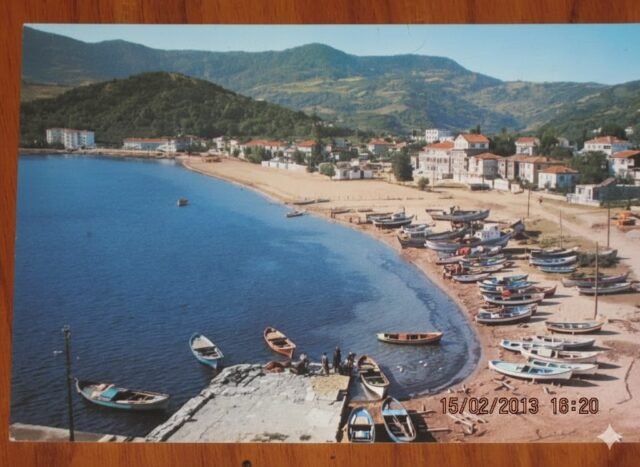
  • Küçük Liman ve Büyük Liman: Karadeniz’de güvenli barınaklar sunan Amasra’nın iki güzel limanı, sabah yürüyüşleri ve gün batımı izlemek için mükemmel.
  • Amasra Beaches: Özellikle Çakraz ve İnkum sahilleri yaz mevsiminde denize girmek isteyen yerli ve yabancı turistlerin gözdesi.
  • Doğa Yürüyüşleri: Yakın çevredeki Yıldıztepe ve Gürcüoluk Mağarası, doğa yürüyüşleri ve fotoğrafçılık için idealdir.

Amasra Genel Manzara
Amasra’nın iki koyu ve Tavşan Adası

Tarihi Sokaklar ve Manzara Noktaları

Amasra’nın Arnavut kaldırımlı dar sokakları, kasabanın binlerce yıllık tarihini adım adım yaşamanıza olanak tanır. Tarihi Amasra Castle ve surlar, UNESCO Dünya Mirası Geçici Listesi’nde olup, şehre hâkim bir konumda yer almaktadır (Kaynak: T.C. Kültür ve Turizm Bakanlığı). Kale çevresindeki mahallelerde Rum, Ceneviz ve Osmanlı izlerine rastlamak mümkündür.

Boztepe And Amasra Seyir Terası, panoramik Karadeniz manzarası için ideal noktalardır. Burada hem gün doğumunu hem de batımını izleyebilir, unutulmaz fotoğraflar çekebilirsiniz. Akşam saatlerinde ışıklar altında manzara daha da romantik bir hal alır.

Amasra’da Nerede Kalınır? – Konaklama Alternatifleri

Karadeniz sahil yolunda yolculuk yaparken, keyifli bir mola vermek için Amasra’da konaklama seçenekleri her bütçeye uygun ve oldukça geniş. Amasra hotels sahil boyunca konforlu bir tatil sunarken, Amasra hostels ise sıcak ve samimi bir ortam sağlıyor. Tarihi taş evlerin restore edilmesiyle oluşturulan butik oteller, size ev sıcaklığında bir ortam sunuyor.

  • Butik Oteller ve Pansiyonlar: Küçük aile işletmeleri, geleneksel Karadeniz misafirperverliğiyle sizi ağırlıyor. Amasra pansiyonları doğal kahvaltılar ve deniz manzarası ile ünlü.
  • Deniz Manzaralı Oteller: Özellikle limana yakın otellerde uyanmak, Karadeniz’e nazır bir kahvaltı yapmak unutulmaz bir deneyim.
  • Konaklama Tavsiyesi: Amasra’da nerede kalınır diye merak edenler için, merkezi konumda olan Amasra hotels gezilecek yerlere yürüme mesafesinde olduğu için oldukça avantajlı.

Lezzet Durakları ve Romantik Aktiviteler

Amasra’yı gezmenin en güzel yanlarından biri de şüphesiz taze balık ve meşhur Amasra salad ile tanışmak! Limanda yer alan balık restoranları, romantik akşam yemekleri ve aile buluşmaları için oldukça ideal.

Yaz aylarında sahil boyunca yapılan yürüyüşler, kıyıda çay bahçelerinde Karadeniz çayı keyfi, gün batımı eşliğinde sevgilinizle birlikte teknede kısa bir tur gibi aktiviteler Amasra tatil önerileri arasında baş sıralarda yer alıyor.

Sık Sorulan Sorular

Soru 1: Karadeniz sahil yolunda Amasra’ya en rahat nasıl ulaşılır?

İstanbul ve Ankara’dan Amasra’ya özel araçla ulaşım oldukça rahattır. Düzce’den veya Bolu’dan Bartın’a, oradan da Amasra’ya tabelalarla yönlendirilerek kısa sürede ulaşabilirsiniz. Otobüsle de Batı Karadeniz hattı üzerinden Amasra’ya varmak mümkündür.

Soru 2: Amasra’da hangi otel ve pansiyonlar tavsiye edilir?

Merkezde deniz manzaralı oda sunan Amasra hotels ve sahile yakın aile pansiyonları oldukça popülerdir. Özellikle Boztepe veya liman çevresindeki otelleri ve pansiyonları tercih edebilirsiniz. Amasra hostels sıcak ev ortamı ve fiyat avantajları ile dikkat çeker.

Soru 3: Amasra’da mutlaka görülmesi gereken yerler nerelerdir?

Amasra Castle, Kemere Köprüsü, Boztepe, Çekiciler Çarşısı ve Gürcüoluk Mağarası Amasra gezi rehberi içinde kesinlikle ilk sıralarda yer alır. Ayrıca plajları, liman ve sahil boyunca yürüyüş yapmak da önerilir.

Kaynak: www.amasra.com.tr

Amasra’da Kalkan: Sezonu, Seçimi ve Pişirilişi

Karadeniz’in en değerli ve en pahalı balığı. Yassı gövdesiyle tezgâhta hemen fark edilir.

Kalkan, Karadeniz’in en kıymetli balığıdır. Dipte yaşayan, yassı gövdeli bu balık hem az bulunur hem yavaş büyür; bu yüzden fiyatı diğer balıkların çok üzerindedir. Amasra’da tezgâhta kalkan görmek özel bir gündür.

Amasra’da ne zaman bulunur?

Kış ve erken ilkbahar. Kalkan için ayrı bir av yasağı dönemi uygulanır; yasak tarihleri yıldan yıla değişebildiği için güncel tebliğe bakmak gerekir.

Aya göre ayrıntılı rehberler: Amasra’da Şubat, Amasra’da Mart, Amasra’da Ocak.

Taze kalkan nasıl seçilir?

Üst yüzeyi kahverengi-benekli, alt yüzeyi bembeyaz olmalı. Eti sıkı, kokusu temiz olmalı. Kalkan pahalı bir balık olduğu için tezgâhtan alırken tartıyı ve fiyatı önceden netleştirin.

Amasra’da nasıl pişirilir?

Kalkan Amasra’da genellikle tavada yapılır; kalın dilimler halinde, unlanarak. Izgarası da tercih edilir. Eti yağlı olduğu için ağır soslara ihtiyaç duymaz.

Yasal asgari boy

Kalkan için tebliğle belirlenen asgari avlanma boyu 45cmdir. Bu boyun altındaki balığın satışı yasaktır; tezgâhta çok küçük boy görürseniz almayın. Sınırlar yıldan yıla güncellenebildiği için güncel tebliğ esas alınmalıdır.

Amasra’nın diğer balıkları

Anchovy - Bonito - Bluefish - Horse mackerel - Whiting

Hangi balığın hangi ay bulunduğunu tek tabloda görmek için Amasra balık takvimine göz atabilirsiniz.

Amasra’da Mezgit: Sezonu, Seçimi ve Pişirilişi

amasra-gun-batimi-mezgit-tava

Beyaz etli, kılçığı kolay ayrılan kış balığı. Çocuklu sofraların favorisi.

Mezgit, Karadeniz’e özgü bir alt türdür ve Amasra’da kış aylarının vazgeçilmezidir. Beyaz, yumuşak eti ve kolay ayrılan kılçığıyla özellikle çocuklar için tercih edilir. Ekimden marta kadar tezgâhta bulunur.

Amasra’da ne zaman bulunur?

Ekim–Mart. Zirve dönem aralık, ocak ve kasım. Soğuk suda eti daha sıkı olur.

Aya göre ayrıntılı rehberler: Amasra’da Aralık, Amasra’da Ocak, Amasra’da Şubat.

Taze mezgit nasıl seçilir?

Taze mezgidin eti bembeyaz ve diridir; sarımsı ton bayatlama işaretidir. Gözü dolgun, solungacı pembe-kırmızı olmalı.

Amasra’da nasıl pişirilir?

Amasra’da mezgit çoğunlukla tava yapılır, mısır unuyla. Buğulaması ve balık çorbası da yaygındır. Kılçığı kolay ayrıldığı için buğulamada tercih edilir.

Yasal asgari boy

Mezgit için tebliğle belirlenen asgari avlanma boyu 13 cmdir. Bu boyun altındaki balığın satışı yasaktır; tezgâhta çok küçük boy görürseniz almayın. Sınırlar yıldan yıla güncellenebildiği için güncel tebliğ esas alınmalıdır.

Amasra’nın diğer balıkları

Anchovy - Bonito - Bluefish - Horse mackerel - Shield

Hangi balığın hangi ay bulunduğunu tek tabloda görmek için Amasra balık takvimine göz atabilirsiniz.

Amasra’da İstavrit: Sezonu, Seçimi ve Pişirilişi

Yılın büyük bölümünde bulunan, ekonomik ve lezzetli Karadeniz balığı.

İstavrit, Amasra tezgâhının en istikrarlı balığıdır. Eylülden nisana kadar neredeyse her zaman bulunur, fiyatı uygundur ve Karadeniz istavriti küçük boyuyla bilinir — bu da onu daha lezzetli yapar. Hamsi kadar ünlü değildir ama yerel sofralarda en az onun kadar sık görülür.

Amasra’da ne zaman bulunur?

Eylül–Nisan. Zirve dönem ekim ve kasım. Yaz aylarında da az miktarda bulunabilir.

Aya göre ayrıntılı rehberler: Amasra’da Ekim, Amasra’da Kasım, Amasra’da Ocak.

Taze istavrit nasıl seçilir?

Gövdesi gümüş parlaklığında, gözü şeffaf olmalı. Kuyruk kısmındaki sert pullu çizgi (yan çizgi) belirgin ve düzgün görünmelidir.

Amasra’da nasıl pişirilir?

En yaygın hali tavadır; mısır ununa bulanıp kızartılır. Izgarası da yapılır, iri boyları için tercih edilir. Soğuk mezelik olarak pilaki ve sirkeli marinat da Amasra’da bilinen hazırlıklardandır.

Yasal asgari boy

İstavrit için tebliğle belirlenen asgari avlanma boyu 13 cmdir. Bu boyun altındaki balığın satışı yasaktır; tezgâhta çok küçük boy görürseniz almayın. Sınırlar yıldan yıla güncellenebildiği için güncel tebliğ esas alınmalıdır.

Amasra’nın diğer balıkları

Anchovy - Bonito - Bluefish - Whiting - Shield

Hangi balığın hangi ay bulunduğunu tek tabloda görmek için Amasra balık takvimine göz atabilirsiniz.

Amasra’da Lüfer: Sezonu, Seçimi ve Pişirilişi

Little Harbor

Sonbaharın en çok aranan balığı. Ekimde zirveye çıkar, aralığa kadar sürer.

Lüfer, Karadeniz’in en çok peşinden koşulan balıklarından biridir. Amasra’da eylül sonunda görünmeye başlar, ekimde zirve yapar ve aralığa kadar tezgâhta kalır. Palamut kadar bol değildir; bu yüzden fiyatı da yüksektir.

Amasra’da ne zaman bulunur?

Eylül–Aralık. Zirve dönem ekim. Boyuna göre adlandırılır: defne yaprağı, çinekop, sarıkanat, lüfer ve en irisi kofana.

Aya göre ayrıntılı rehberler: Amasra’da Eylül, Amasra’da Ekim, Amasra’da Kasım.

Taze lüfer nasıl seçilir?

Taze lüferin sırtı koyu mavi-yeşil, karnı gümüş parlaklığındadır. Gözü berrak, eti diri olmalı. Küçük boyları (çinekop) avlanma boyu sınırının altındaysa satın almayın.

Amasra’da nasıl pişirilir?

Amasra’da lüfer neredeyse her zaman grill yenir — yağı bol olduğu için başka bir şeye ihtiyaç duymaz. Küçük boyları tavada kızartılır. Yanına roka ve limon yeterlidir.

Yasal asgari boy

Lüfer için tebliğle belirlenen asgari avlanma boyu 20 cmdir. Bu boyun altındaki balığın satışı yasaktır; tezgâhta çok küçük boy görürseniz almayın. Sınırlar yıldan yıla güncellenebildiği için güncel tebliğ esas alınmalıdır.

Amasra’nın diğer balıkları

Anchovy - Bonito - Horse mackerel - Whiting - Shield

Hangi balığın hangi ay bulunduğunu tek tabloda görmek için Amasra balık takvimine göz atabilirsiniz.

Amasra’da Palamut: Sezonu, Seçimi ve Pişirilişi

Eylülde av yasağının kalkmasıyla gelen ilk büyük bolluk. Amasra’nın sonbahar balığı.

1 Eylül’de av yasağı kalktığında Amasra limanına dönen teknelerin ilk getirdiği balık genellikle palamuttur. Eylül ve ekim, palamudun hem en bol hem en yağlı olduğu aylardır; kasımda azalarak devam eder. Amasra’da sonbahar, palamut kokusuyla başlar.

Amasra’da ne zaman bulunur?

Eylül–Kasım. Zirve dönem eylül ve ekim. Boyu büyüdükçe adı değişir: çingene palamudu, palamut, torik ve en irisi zindandelen.

Aya göre ayrıntılı rehberler: Amasra’da Eylül, Amasra’da Ekim, Amasra’da Kasım.

Taze palamut nasıl seçilir?

Sırtı çelik mavisi parlaklıkta, eti sıkı olmalı. Parmakla bastırdığınızda iz kalmamalı. Kuyruğa doğru incelen çizgileri net görünen palamut tazedir.

Amasra’da nasıl pişirilir?

Amasra’da palamut çoğunlukla grill yapılır; kalın dilimler halinde, sadece tuzla. Buğulama da yaygındır. Bolluk döneminde evlerde lakerda (tuzda salamura) hazırlanır ve kışa saklanır.

Yasal asgari boy

Palamut için tebliğle belirlenen asgari avlanma boyu 25 cmdir. Bu boyun altındaki balığın satışı yasaktır; tezgâhta çok küçük boy görürseniz almayın. Sınırlar yıldan yıla güncellenebildiği için güncel tebliğ esas alınmalıdır.

Amasra’nın diğer balıkları

Anchovy - Bluefish - Horse mackerel - Whiting - Shield

Hangi balığın hangi ay bulunduğunu tek tabloda görmek için Amasra balık takvimine göz atabilirsiniz.

Amasra’da Hamsi: Sezonu, Seçimi ve Pişirilişi

Karadeniz’in simge balığı. Kasım’da tezgâha iner, aralık–ocak’ta en yağlı halini alır.

Amasra’da kış demek hamsi demektir. Suyun soğumasıyla yağlanan hamsi, kasımdan marta kadar tezgâhın en bol ve en ucuz balığıdır; aralık ve ocak aylarında ise yılın en lezzetli haline ulaşır. Amasra’da hamsi bir balıktan fazlasıdır — kış sofrasının kendisidir.

Amasra’da ne zaman bulunur?

Kasım–Mart. Zirve dönem aralık ve ocak. Yaz aylarında tezgâhta hamsi görürseniz büyük ihtimalle donmuş ya da başka denizden gelmiştir.

Aya göre ayrıntılı rehberler: Amasra’da Kasım, Amasra’da Aralık, Amasra’da Ocak.

Taze hamsi nasıl seçilir?

Taze hamsinin gözü parlak ve dışa doğru, solungacı canlı kırmızıdır; gövdesi eğilmeden dik durur. Kokusu keskin değil, deniz kokusudur. Tezgâhta karnı patlamış, gözü çökmüş olanlardan uzak durun.

Amasra’da nasıl pişirilir?

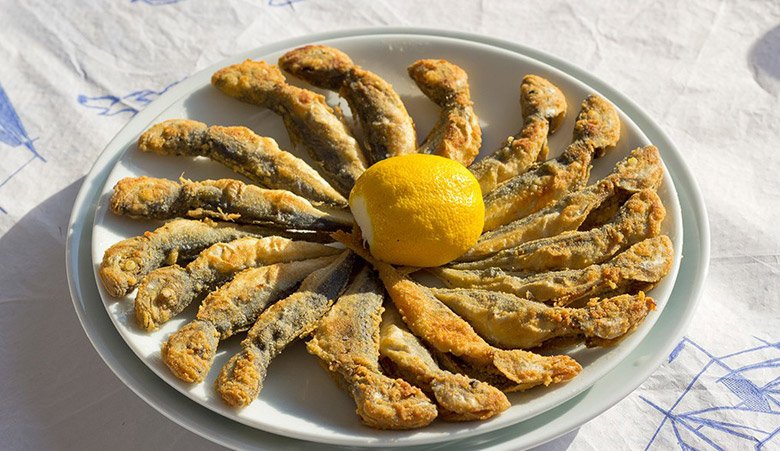
Amasra’da en yaygın hali mısır ununa bulanıp kızgın yağda kızartılan hamsi tavadır. Bunun dışında buğulama, pilaki, hamsi pilavı ve fırında dizme olarak da yapılır. Yanına mutlaka mısır ekmeği, soğan ve limon gelir.

Yasal asgari boy

Hamsi için tebliğle belirlenen asgari avlanma boyu 9 cmdir. Bu boyun altındaki balığın satışı yasaktır; tezgâhta çok küçük boy görürseniz almayın. Sınırlar yıldan yıla güncellenebildiği için güncel tebliğ esas alınmalıdır.

Amasra’nın diğer balıkları

Bonito - Bluefish - Horse mackerel - Whiting - Shield

Hangi balığın hangi ay bulunduğunu tek tabloda görmek için Amasra balık takvimine göz atabilirsiniz.

5. Amasra Uluslararası Şehir Festivali: 29 Ağustos – 1 Eylül Programı

Little Harbor

Amasra Belediyesi’nin düzenlediği 5. Amasra Uluslararası Şehir Festivali 29 Ağustos – 1 Eylül tarihleri arasında yapılıyor. Dört gün boyunca konser, halk oyunları, tiyatro, resim sergisi, söyleşi ve uçurtma etkinlikleriyle kasaba yazın son günlerini şenlikle kapatıyor.

Festival, yazın bittiği ve balık sezonunun açıldığı haftaya denk geliyor — yani Amasra’nın yılda bir kez yaşadığı o geçiş anına. Etkinlikler sahil şeridi, Sefa Park ve Boztepe çevresine yayılıyor ve programın tamamı ücretsiz.

Festival programı

29 Ağustos, Cumartesi

  • 19.00 Festival açılışı ve kortej yürüyüşü
  • 19.30 Seymenler Grubu gösterisi
  • 20.00 DJ Recep Demiroğlu
  • 21.30 Habersiz Rock Band konseri

30 Ağustos, Pazar

  • 14.00 Yazar Hatice Terlikçi Genç — imza günü (Sefa Park Aile Çaybahçesi)
  • 15.00 Yazar Aynur Muslu — söyleşi ve imza günü (Sefa Park Aile Çaybahçesi)
  • 15.30 Yazar Sabit Uzunel — imza günü (Coffee Shop)
  • 16.00 Amasra Belediyesi Spor, Kültür ve Sanat Akademisi yetişkin kursiyerler resim sergisi
  • 19.00 Yazar Doç. Dr. Zerrin Gamsızkan — söyleşi ve imza günü (Sefa Park Aile Çaybahçesi)
  • 20.00 Zafer Yürüyüşü ve Fener Alayı
  • 20.30 Halk oyunları gösterileri — Seymenler Grubu, Zonguldak Belediyesi Halk Oyunları Topluluğu, Zonguldak Hasat Grubu, Safran Halk Dansları Topluluğu, Amasra Belediyesi Halk Oyunları Topluluğu
  • 23.00 +3 Band konseri

31 Ağustos, Pazartesi

  • 13.00–16.00 Şişme oyun grupları ve çocuk etkinliği
  • 14.00 Gelin Kız Aynaları ve Cam Altı Sergisi — İbrahim Boz
  • 20.00 Bartın Belediyesi Ritim Grubu performansı
  • 21.00 Semra Türel — Türk Sanat Müziği konseri

1 Eylül, Salı

  • 16.00 Çeşm-i Cihan Barış Günü temsili anahtar teslim töreni
  • 16.30 Uçurtma etkinliği (Boztepe mevkii)
  • 20.30 Milas Belediye Tiyatrosu

Bilinmesi gerekenler

  • Etkinlikler ücretsizdir ve halka açıktır.
  • Konser akşamlarında sahil çevresi kalabalıklaşır; aracınızı şehir girişindeki otoparklara bırakıp merkezi yürüyerek gezmek en rahatı olur.
  • 1 Eylül aynı zamanda av yasağının kalktığı gündür: festivalin son günü limanda balık sezonunun açılışına da denk gelirsiniz.
  • Program saatlerinde değişiklik olabilir; güncel duyurular için Amasra Belediyesi’nin kanallarını takip edin.

Program bilgileri Amasra Belediyesi’nin resmî duyurusundan aktarılmıştır.

Yol üstünde görülmesi gereken duraklar

Yol Üstünde Görülmesi Gereken Duraklar

Amasra’ya doğru keyifli bir yolculuk planlarken, yol üstünde sizi büyüleyecek duraklar keşfetmek hem yolculuğunuzu renklendirir hem de Amasra ruhunu tam anlamıyla yaşamanızı sağlar. İster günübirlik bir Amasra gezisi olsun, ister uzun bir tatil planı, bu güzergâhta keşfedilecek çok sayıda doğal güzellik, lezzet durağı ve tarih hazinesi sizi bekliyor. Eğer Amasra otelleri, Amasra pansiyonları veya bölgenin tarihi köşeleri hakkında merak ediyorsanız, bu rehber tam size göre!

Doğayla İç İçe Yol Üstü Molaları

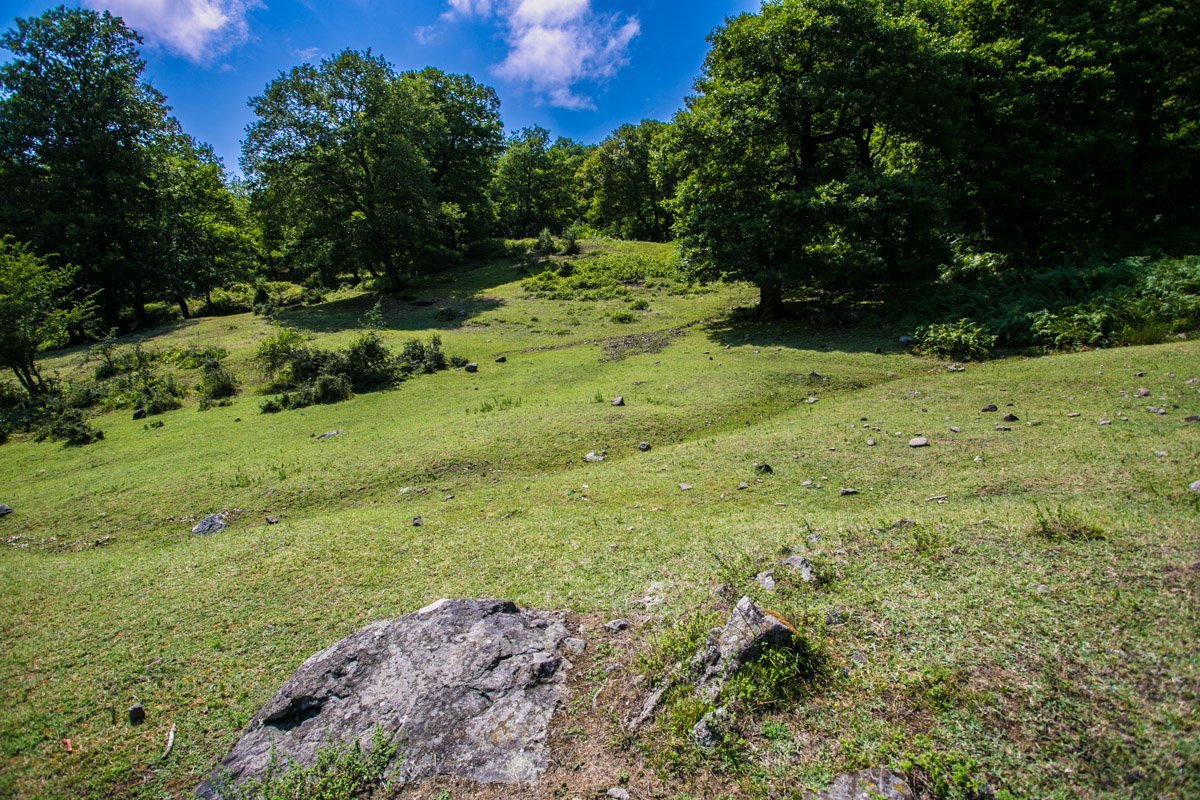
Batı Karadeniz’in yemyeşil ormanları arasında ilerlerken Bartın River ilk durağınız olabilir. Irmak kenarındaki çay bahçelerinde kısa bir mola, taze demlenmiş bir çayın tadı ve serin meltemle birleşerek ruhunuza adeta terapi etkisi yaratır. Sonbaharda yaprak dökümünü, ilkbaharda ise doğanın uyanışını izlemek muhteşem bir deneyimdir.

Daha batıya devam ettiğinizde Kuskayasi Road Monument karşınıza çıkar. Roma döneminden kalan bu tarihi anıt, Amasra yolculuğunun adeta vazgeçilmez duraklarından biri. Mermer aslan ve insan figürleri ile bezenmiş bu anıt, adeta zamanın tanığı niteliğinde. Fotoğraf çekmek için mükemmel bir noktadır. Ayrıca, burası Amasra gezi rehberi listelerinde mutlaka yer alır.

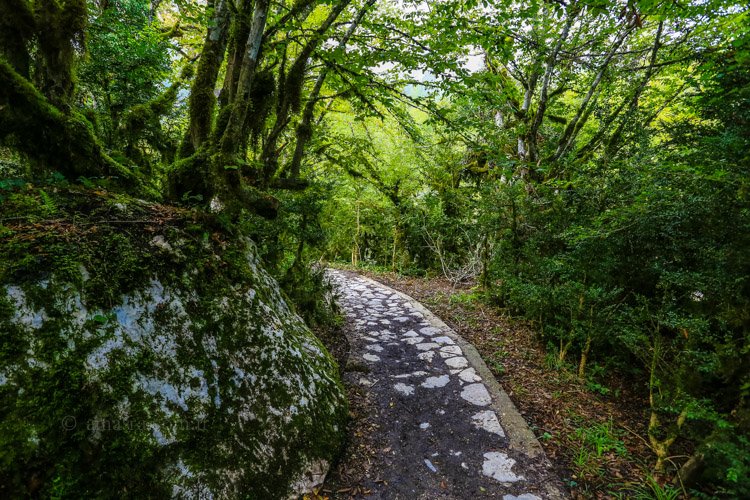
Yol güzergâhındaki yeşil orman ve yayla manzarası

Lezzetli Mola Noktaları

Yolculuğunuzda leziz Karadeniz yemeklerinden tadacağınız mekanlara uğramayı ihmal etmeyin. Bartın ve yol güzergâhında meşhur karalahana çorbası, pide ve taptaze balık lokantaları bulunuyor. Özellikle Amasra Salad ve taze mezgit kızartması ile ünlü olan sahil restoranları yol üstü keyifli bir yemek için birebir.

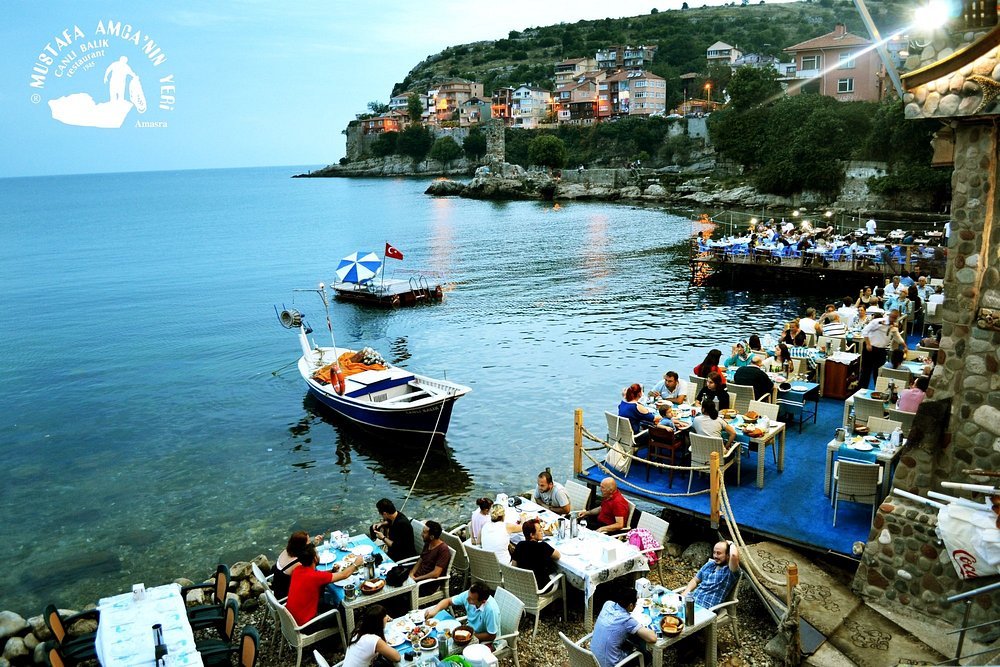
Amasra’ya vardığınızda ise Cesm-i Cihan Restaurant And Mustafa Amca’nın Yeri gibi mekanlarda deniz ürünlerinin tadına mutlaka bakmalısınız. Amasra hotels or Amasra hostels ile anlaşmalı olan bazı restoranlar, konaklamanız sırasında özel indirimler de sunabiliyor.

Tarihi Sokaklarda Gezinti

Amasra şehir merkezine yaklaştığınızda, tarihin izlerini taşıyan daracık taş sokaklar sizi karşılar. Roma Kemeri (Kemere Köprüsü) ve Fatih Mosque, Amasra’nın kültürel dokusunu en iyi hissedebileceğiniz yerlerdendir. Dar sokaklarda yürüyüş yaparken karşılaşacağınız küçük butik oteller ve taş evlerde konaklama imkânı bulabilirsiniz. Özellikle Amasra konaklama arayışında olanlar için Orta Çarşı ve çevresi, hem merkezi hem de hareketli bir atmosfer sunar.

Konaklama İpucu:

Sezon dışı dönemlerde, Amasra’da nerede kalınır diye düşünenler için butik işletmeler daha uygun fiyatlarla hizmet vermektedir(Kaynak: Kültür Portalı).

Plaj ve Manzara Durakları

Amasra’ya birkaç kilometre kala, Boztepe Adası And Little Harbor Beach incecik kumları ve turkuaz deniziyle size hoş bir mola fırsatı sunar. Yaz aylarında serinlemek isteyenler için bu plajlar oldukça popülerdir. Amasra tatil önerileri arasında gün batımını Boztepe’den izlemek ise en çok tavsiye edilenlerdendir.

Manzara fotoğrafları çekmek isteyenler için Boztepe’ye çıkan yol üzerinde fotoğraf molası vererek, Amasra Kalesi ve iki limanın panoramik manzarasının keyfini çıkarabilirsiniz.

Ziyaretçilere Romantik ve Keyifli Aktiviteler

Yol üstü duraklarınızı romantik bir geziye dönüştürmek isterseniz, Amasra’nın sahilinde bir yürüyüş yapabilir, balıkçı teknelerinin yanında çayınızı yudumlayabilirsiniz. Özellikle gün batımında, iskelede sevgilinizle oturmak unutulmaz bir anı olur. Bu bölge aynı zamanda yerel halkın da akşamları vakit geçirmekten keyif aldığı bir alandır.

Ayrıca Amasra’da nerede kalınır sorusunun cevabı olarak, liman manzaralı otel ve pansiyonlar çiftler için ideal seçenekler sunuyor. Erken rezervasyonlarla harika manzaralı bir oda kapmak ise size kalmış!

Sık Sorulan Sorular

Soru 1: Amasra’ya giderken yol üstünde mutlaka nerede mola verilmeli?

Kuskayasi Road Monument And Bartın River kıyısındaki çay bahçeleri hem tarih hem de doğayla iç içe kısa molalar için tavsiye edilir. Ayrıca Bartın merkezde lezzet durakları tercih edilebilir.

Soru 2: Amasra otelleri ve pansiyonları nerede yoğunlukta bulunuyor?

Amasra şehir merkezi, sahil yolu, Boztepe ve Orta Çarşı bölgelerinde Amasra hotels And Amasra hostels topluca bulunur. Özellikle manzara ve bütçenize göre çok sayıda Amasra konaklama seçeneği vardır.

Soru 3: Amasra yolculuğu sırasında deniz manzarasının en güzel göründüğü noktalar nereler?

Boztepe And Kemere Bridge üzerinden bakılan Amasra manzaraları, özellikle gün batımında unutulmaz kareler sunar. Ayrıca şehir girişinde yol üzerine kurulu manzara seyir noktaları da popülerdir.

Kaynak: www.amasra.com.tr

Amasra’da Aralık: Sis, Şömine ve Hamsinin Zirvesi

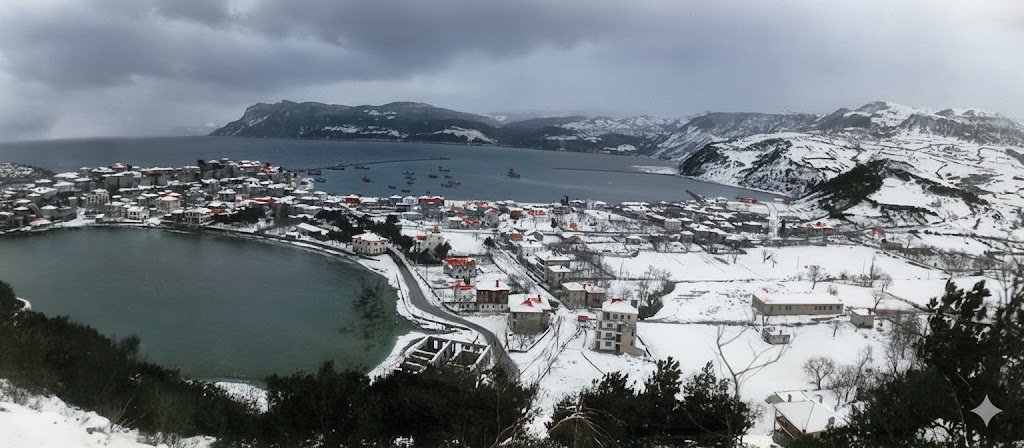
Amasra Snow Photos
Amasra Castle Entrance

Yılın en atmosferik ayı. Sisli sabahlar, sıcak sobalar, tezgâhta en yağlı hamsi.

Aralık, Amasra’nın en atmosferik ayıdır. Sabahları deniz üzerinden yükselen sis kaleyi ve Boztepe’yi yutar; öğlene doğru açılır. Kasaba sessizdir, ama tezgâhlar en dolu, sofralar en zengin halindedir.

Hava ve deniz

6–11 °C arası, yağışlı ve sisli. Deniz 12 °C.

Deniz soğuk ve dalgalı. Sahil yürüyüşü için hazırlıklı gidin; fırtına günlerinde limanda dalga izlemek başlı başına bir aktivitedir.

Kış aylarında tezgâhta hamsi ve mezgit bol bulunur

Bu ayın balıkları

Anchovy zirveye çıkar. Aralık hamsisi en yağlı ve en lezzetli olanıdır; tavası ve buğulaması bu ay bambaşkadır. Whiting ve kalkan da bol bulunur.

Bu ayın balık rehberleri: Anchovy - Bluefish - Horse mackerel - Whiting - Shield

Yürüyüş ve doğa

Sisli sabahlarda kaleiçi yürüyüşü yılın en etkileyici deneyimlerinden biridir. Uzun orman rotaları için hava koşullarını kontrol edin.

Çarşı, pazar ve hediyelik

Yılbaşı öncesi hediyelik arayanlar için Çekiciler Çarşısı iyi bir adres: el yapımı ahşap ürünler, oyma kutular, takılar. Pazarda kestane balı ve reçeller kışlık alışveriş için idealdir.

Bu ay ne var?

Yılbaşı çevresinde bazı otel ve restoranlar özel program düzenler.

Aralık ayı için pratik notlar

  • Sisli sabahlar için fotoğraf makinenizi hazır tutun.
  • Yılbaşı için konaklamayı önceden ayırtın.
  • Şömineli veya sobalı konaklama arayın — aralıkta fark yaratır.

Diğer aylar

Amasra’nın her ayı farklıdır. Bir önceki ay için November,
bir sonraki ay için Fireplace rehberimize göz atabilirsiniz.

Amasra’da Kasım: Hamsi Zamanı Başlıyor

Sonbaharın son renkleri, hamsinin ilk günleri, boşalan kasaba.

Kasım Amasra’da kışa geçiş ayıdır. Yapraklar dökülür, hava serinler, kasaba boşalır. Ama tezgâhta yılın en beklenen balığı görünmeye başlar: hamsi. Balık sevenler için sezon asıl şimdi başlar.

Hava ve deniz

9–15 °C arası, yağışlı. Deniz 15 °C.

Denize girme mevsimi bitmiştir. Fırtınalı günlerde Büyük Liman’a vuran dalgalar seyirlik bir manzaraya dönüşür.

Amasra Çekiciler
Çekiciler Çarşısı — sezon dışında esnafla sohbet etmek için en iyi zaman

Bu ayın balıkları

Anchovy tezgâha iner ve fiyatı düşer. Whiting, istavrit ve lüfer de boldur. Kasım, Amasra’da balık yemek için gelmenin en mantıklı olduğu aylardan biridir.

Bu ayın balık rehberleri: Anchovy - Bonito - Bluefish - Horse mackerel - Whiting - Shield

Yürüyüş ve doğa

Ayın ilk yarısında sonbahar renkleri hâlâ sürer. Yağmur aralarında kaleiçi ve sahil yürüyüşü keyiflidir; uzun orman rotaları için zemin ıslak olabilir.

Çarşı, pazar ve hediyelik

Kestane, kestane balı ve kışlık ürünler pazarın ana teması. Çekiciler Çarşısı’nda sezon dışı sakinlik, ustalarla sohbet etme fırsatı sunar.

Bu ay ne var?

Belirgin bir etkinlik yok; kasaba kış moduna geçer.

Kasım ayı için pratik notlar

  • Hamsi için ayın ikinci yarısını tercih edin.
  • Konaklamada sezon dışı fiyatlar geçerlidir.
  • Bazı sahil işletmeleri kapanmaya başlar; önceden arayın.

Diğer aylar

Amasra’nın her ayı farklıdır. Bir önceki ay için October,
bir sonraki ay için December rehberimize göz atabilirsiniz.

Amasra’da Ekim: Sonbahar Renkleri ve Palamudun Zirvesi

Ormanlar sarıya döner, palamut zirveye çıkar, 17 Ekim’de fetih yıl dönümü kutlanır.

Ekim, Amasra çevresindeki kayın ve kestane ormanlarının sarıya, turuncuya ve kızıla döndüğü aydır. Sahil hâlâ ılıman, ormanlar en renkli halinde, tezgâhlar en dolu döneminde. Fotoğraf için yılın en cömert ayıdır.

Hava ve deniz

13–19 °C arası, yağmurlu günler artar. Deniz 19–20 °C.

Ayın ilk yarısında güneşli günlerde denize girenler olur. İkinci yarıdan itibaren su serinler; artık yüzmekten çok sahil yürüyüşü mevsimidir.

Amasra çevresindeki ormanlar ekimde renk değiştirmeye başlar

Bu ayın balıkları

Bonito zirvedir; ekim palamudu yılın en yağlı ve lezzetli balığı sayılır. Yanında lüfer, istavrit ve mezgit bulunur. Balık restoranlarının en iyi dönemidir.

Bu ayın balık rehberleri: Bonito - Bluefish - Horse mackerel - Whiting

Yürüyüş ve doğa

Sonbahar renkleri için en iyi ay. Kuşkayası orman yolu, Gergece Şelalesi çevresi ve Bartın yönündeki orman rotaları bu ay eşsizdir. Yağmur sonrası patikalar kaygan olabilir.

Çarşı, pazar ve hediyelik

Kestane, ceviz ve kışlık reçeller pazarda yerini alır. Çekiciler Çarşısı sakinleşir, esnafla sohbet etmek için en iyi dönem.

Bu ay ne var?

17 Ekim, Amasra’nın Fethi Yıl Dönümü olarak anılır; kalede ve limanda tören ve etkinlikler düzenlenir.

Ekim ayı için pratik notlar

  • Sonbahar fotoğrafı için ayın ikinci yarısı ideal.
  • Yağmurluk getirin; ekim yağışlı geçebilir.
  • Balık + doğa kombinasyonu için yılın en dolu ayı.

Diğer aylar

Amasra’nın her ayı farklıdır. Bir önceki ay için September,
bir sonraki ay için November rehberimize göz atabilirsiniz.

Amasra’da Eylül: Balık Sezonu Açılıyor

1 Eylül’de av yasağı kalkar. Deniz hâlâ sıcak, kalabalık gitmiş, tezgâhlar dolmaya başlar.

Amasra’yı sevenlerin çoğu için yılın en iyi ayı eylüldür. 1 Eylül’de av yasağı kalkar ve kasaba asıl kimliğine döner: balıkçı kasabası. Tezgâhlar dolar, restoranların menüsü değişir, limanda tekne trafiği artar. Üstelik deniz hâlâ sıcak, plajlar boştur.

Hava ve deniz

17–24 °C arası, ılıman ve berrak. Deniz 23–24 °C — hâlâ yüzülebilir.

Deniz ağustostan biraz serinlemiş ama hâlâ rahatlıkla yüzülür. Plajlar boşalmıştır; şezlong ve otopark derdi kalmaz.

Amasra Photo
Eylülde deniz hâlâ ılık, manzara berraktır

Bu ayın balıkları

Sezonun açılış ayı. Bonito eylülün yıldızıdır; ızgarası ve buğulaması bu ay en lezzetli halindedir. Bluefish ve istavrit de tezgâhta yerini alır. Taze balığı görmek için sabah limanı gezin.

Bu ayın balık rehberleri: Bonito - Bluefish - Horse mackerel

Yürüyüş ve doğa

Sıcak kırıldığı için uzun yürüyüşler yeniden mümkün. Kuşkayası orman yolu, Boztepe ve sahil rotaları bu ay ideal koşullarda yapılır.

Çarşı, pazar ve hediyelik

Sezon sonu nedeniyle çarşıda pazarlık şansı artar. Salı pazarında yeni hasat ürünler: ceviz, fındık, kestane ve reçeller.

Bu ay ne var?

1 Eylül balık sezonu açılışı kasabanın kendi bayramı gibidir. Resmî bir tören olmasa da limanın havası değişir.

Eylül ayı için pratik notlar

  • Balık için ayın ilk haftasını bekleyin; ilk günler tezgâh henüz dolmamış olabilir.
  • Konaklama fiyatları sezon sonu düşer.
  • Hem denize girip hem balık yemek isteyenler için tek ay budur.

Diğer aylar

Amasra’nın her ayı farklıdır. Bir önceki ay için August,
bir sonraki ay için October rehberimize göz atabilirsiniz.

Amasra’da Ağustos: Denizin En Sıcak, Yazın Son Ayı

Deniz yılın zirvesinde. Ayın sonuna doğru kalabalık çekilir, en güzel günler başlar.

Ağustos, denizin en sıcak olduğu aydır. Ayın ilk üç haftası temmuz kadar yoğun geçer; ama son hafta bambaşkadır. Okulların açılmasına sayılı gün kala kalabalık çekilir, deniz hâlâ sıcaktır ve akşam ışığı yumuşamaya başlar. Amasra’yı bilenlerin tercih ettiği aralık tam olarak burasıdır.

Hava ve deniz

20–27 °C arası, nemli. Deniz 25–26 °C ile yılın en sıcak seviyesinde.

Yüzmek için yılın en iyi ayı. Su sıcak, dalga az. Kalabalıktan kaçmak için Çakraz, Bozköy ve Akkonak koylarını değerlendirin.

Amasra sahilinde ağustos — deniz yılın en sıcak halinde

Bu ayın balıkları

Av yasağının son günleridir; tezgâhta hâlâ çeşit azdır. Ancak 1 Eylül yaklaştıkça balıkçılar hazırlığa başlar, limanda ağ ve tekne bakımı hareketlenir. Sabırlı olun — bir hafta sonrası bambaşka olacak.

Bu ay av yasağı sürüyor. Balık sezonu ve türler için palamut And anchovy rehberlerimize göz atabilirsiniz.

Yürüyüş ve doğa

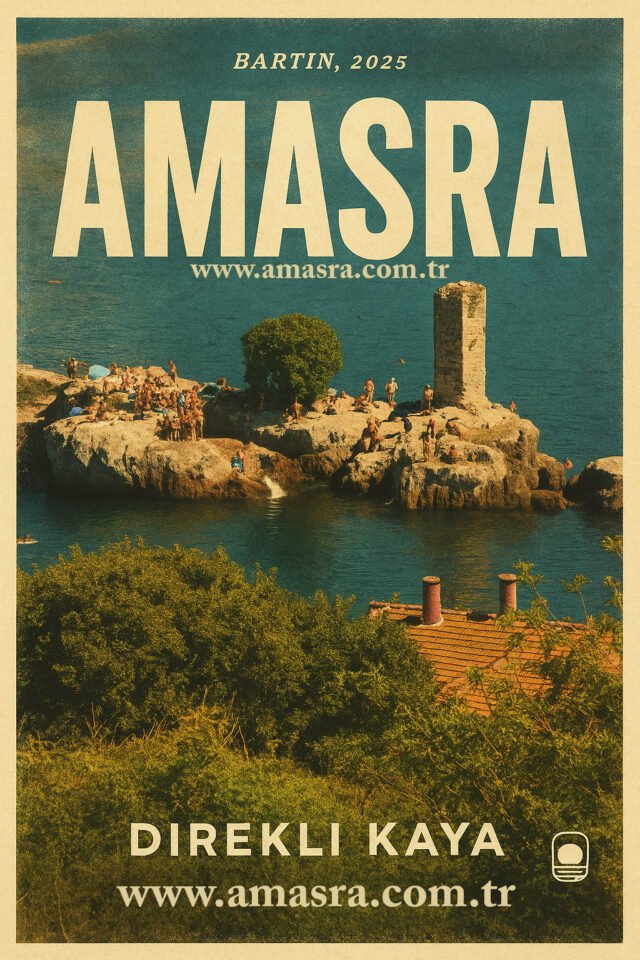
Temmuz gibi, sıcak saatlerden kaçının. Gün batımı için Boztepe ve Direklikaya bu ay özellikle berrak manzara sunar.

Çarşı, pazar ve hediyelik

Sezonun son alışveriş yoğunluğu. Çekiciler Çarşısı’nda ahşap ürünler ve hediyelikler için ayın sonu daha rahattır.

Bu ay ne var?

Uluslararası Yüzme Maratonu geleneksel olarak bu ay düzenlenir. Ay boyunca yaz konserleri ve sahil etkinlikleri sürer.

Ağustos ayı için pratik notlar

  • Ayın son haftası fiyat/kalabalık dengesi açısından en iyisidir.
  • 1 Eylül’de balık sezonu açılıyor — tatilinizi bir iki gün uzatmaya değer.
  • Hafta içi gelmek hafta sonuna göre çok daha rahat.

Diğer aylar

Amasra’nın her ayı farklıdır. Bir önceki ay için July,
bir sonraki ay için September rehberimize göz atabilirsiniz.

Amasra’da Temmuz: Zirve Sezon ve Kabotaj Bayramı

Yılın en hareketli ayı. Deniz sıcak, kasaba dolu, takvim etkinlik dolu.

Temmuz, Amasra’nın en kalabalık ve en canlı ayıdır. Plajlar dolu, restoranlar rezervasyonlu, sokaklar geç saatlere kadar hareketlidir. Kalabalıktan hoşlanmıyorsanız zor bir ay; yaz tatilinin tüm enerjisini istiyorsanız tam zamanı.

Hava ve deniz

20–27 °C arası, nemli ve sıcak. Deniz 24 °C.

Deniz yılın en keyifli sıcaklığındadır. Büyük Liman ve Küçük Liman plajları yoğun olur; sabah erken gitmek ya da çevre koylara açılmak en iyi çözümdür. Çakraz ve Bozköy bu ay bile nispeten sakin kalır.

Amasra limanı — temmuzda tekne trafiği en yoğun halindedir

Bu ayın balıkları

Av yasağı sürer, tezgâhta çeşit azdır. Temmuzda balık yerine Amasra salatası, mıhlama ve sahil kahvaltısı öne çıkar. Balık için eylülü beklemek gerekir.

Bu ay av yasağı sürüyor. Balık sezonu ve türler için palamut And anchovy rehberlerimize göz atabilirsiniz.

Yürüyüş ve doğa

Sıcak nedeniyle uzun yürüyüşler için uygun değil. Kaleiçi turunu sabah 09:00’dan önce ya da akşam 18:00’den sonra yapın. Boztepe’ye gün batımı için çıkmak temmuzun en güzel ritüelidir.

Çarşı, pazar ve hediyelik

Çarşı yılın en canlı halindedir ama fiyatlar da sezon zirvesindedir. Ahşap el işleri için acele etmeyin, birkaç dükkân gezin.

Bu ay ne var?

1 Temmuz Denizcilik ve Kabotaj Bayramı: limanda tekne geçişleri, yüzme ve deniz yarışlarıyla kutlanır. Ay boyunca belediye konserleri ve sahil etkinlikleri sürer.

Temmuz ayı için pratik notlar

  • Konaklamayı en az 1–2 ay önceden ayırtın.
  • Aracınızı merkeze sokmayın; girişteki otoparkları kullanın.
  • Restoranlarda akşam için rezervasyon yaptırın.

Diğer aylar

Amasra’nın her ayı farklıdır. Bir önceki ay için June,
bir sonraki ay için August rehberimize göz atabilirsiniz.

Amasra’da Haziran: Sezon Açılıyor

Amasra Küçük Harbor beach, a view from 2020 (Photo: Gallery Wisdom)

Deniz ısındı, günler uzadı, kasaba yaz moduna geçti. Temmuz kalabalığı henüz yok.

Haziran, Amasra’da yaz sezonunun resmen açıldığı aydır. Deniz artık yüzülebilir sıcaklıktadır, tekne turları başlar, sahil kafeleri geç saatlere kadar açık kalır. Ama okullar yeni kapandığı için kalabalık henüz temmuz-ağustos yoğunluğunda değildir.

Hava ve deniz

17–24 °C arası, uzun ve aydınlık günler. Deniz 20–22 °C.

Denize girmek için sezon açılır. Büyük Liman plajı ailelerle dolar; daha sakin bir yer arıyorsanız Çakraz, Bozköy ve Akkonak koyları 15–25 dakika mesafededir.

Küçük Liman koyu ve tekneler — haziranda tekne turları başlar

Bu ayın balıkları

Av yasağı devam eder. Tezgâhta çeşit sınırlıdır; kültür balığı ve küçük tekne avı ağırlıktadır. Bu ay Amasra’nın öne çıkan lezzeti balıktan çok meşhur Amasra salatası ve sahil kahvaltılarıdır.

Bu ay av yasağı sürüyor. Balık sezonu ve türler için palamut And anchovy rehberlerimize göz atabilirsiniz.

Yürüyüş ve doğa

Sabah erken ve akşamüstü saatlerini seçin, öğle sıcağında kaleiçi yokuşları yorucudur. Gergece Şelalesi serinlemek için ideal bir yarım gün rotasıdır.

Çarşı, pazar ve hediyelik

Çekiciler Çarşısı en canlı dönemine girer. Ahşap ürünler, tespih, takı ve yöresel hediyelikler için sezonun başı en iyi seçenek çeşidini sunar.

Bu ay ne var?

Sezon açılış hareketliliği; belediye etkinlikleri ayın sonuna doğru başlar.

Haziran ayı için pratik notlar

  • Hafta sonu için konaklamayı önceden ayırtın.
  • Tekne turlarının ilk seferleri bu ay başlar.
  • Şapka ve güneş kremi artık gerekli.

Diğer aylar

Amasra’nın her ayı farklıdır. Bir önceki ay için May,
bir sonraki ay için July rehberimize göz atabilirsiniz.

Amasra’da Mayıs: Belki de Gelmek İçin En Doğru Ay

Amasra Photo
Boztepe Island (Ada Apart Pension View) Photo:Kemal Onur Ozman

Hava ısınmış, kalabalık henüz gelmemiş, doğa hâlâ yemyeşil. Dengeyi en iyi kuran ay.

Amasra’ya ne zaman gitmeli sorusunun en iyi cevaplarından biri mayıstır. Yaz sıcağı henüz bastırmamış, okullar kapanmamış, fiyatlar yükselmemiştir; ama hava sahilde oturmaya, yürümeye ve gezmeye fazlasıyla uygundur.

Hava ve deniz

13–20 °C arası, güneşli günler artar. Deniz 15–17 °C.

Cesur olanlar mayıs sonunda denize girmeye başlar. Su serindir ama güneşli günlerde kısa bir dalış keyiflidir. Plajlar boş, şezlong bulmak sorun değildir.

Amasra çevresindeki ormanlar mayısta en canlı halindedir

Bu ayın balıkları

Av yasağı sürer. Tezgâhta çeşit azdır; kefal, levrek ve kültür balıkları öne çıkar. Bu ay Amasra’da balıktan çok yeşillik ve otlu yemekler öne çıkar — mevsim salatası ve yöresel otlar sofranın yıldızıdır.

Bu ay av yasağı sürüyor. Balık sezonu ve türler için palamut And anchovy rehberlerimize göz atabilirsiniz.

Yürüyüş ve doğa

Yürüyüş için nisanla birlikte yılın en iyi ayı. Uzun rotalar için hava artık yeterince uzun: sabah Kuşkayası, öğleden sonra Boztepe rahatça yapılır. Çakraz yönündeki sahil yolu bisikletle de keyiflidir.

Çarşı, pazar ve hediyelik

Salı pazarı bu ay şenlenir; taze sebze, ot ve yerel üretim reçeller bollaşır. Çekiciler Çarşısı sezon öncesi tam kadro açıktır.

Bu ay ne var?

19 Mayıs kutlamaları yapılır. Ay sonuna doğru hafta sonları belirgin şekilde hareketlenir.

Mayıs ayı için pratik notlar

  • Konaklamada yaz fiyatları henüz başlamamıştır — en iyi fiyat/deneyim dengesi bu ay.
  • Hafta içi gelirseniz kasabayı neredeyse kendinize ayırırsınız.
  • Akşamları hâlâ serin; ince bir hırka gerekir.

Diğer aylar

Amasra’nın her ayı farklıdır. Bir önceki ay için April,
bir sonraki ay için June rehberimize göz atabilirsiniz.

Amasra’da Nisan: Yeşilin En Parlak Hali

Gergece Waterfall Photos: Kemal Onur Özman

Ormanlar taze yeşil, hava ılıman, kalabalık henüz yok. Fotoğrafçının ayı.

Nisan, Amasra çevresindeki ormanların yılın en parlak yeşiline büründüğü aydır. Kasaba henüz kalabalıklaşmamıştır ama hava artık dışarıda vakit geçirmeye elverişlidir. Sahil kafelerinde masalar dışarı çıkar, tekneler suya iner.

Hava ve deniz

9–16 °C arası, ara ara yağmurlu. Deniz 11 °C civarında.

Deniz suyu yüzmek için hâlâ soğuk. Ancak plajlar bomboş olduğu için sahilde yürüyüş ve fotoğraf çekimi açısından yılın en rahat dönemlerinden biridir.

Amasra Genel Manzara
Amasra’nın iki limanı ve Tavşan Adası — nisanda deniz henüz soğuk ama manzara berrak

Bu ayın balıkları

15 Nisan’da av yasağı başlar; büyük tekneler denize çıkmaz. Bu tarihe kadar istavrit ve mezgit bulabilirsiniz. Yasak döneminde tezgâhta küçük tekne avı ve kültür balığı ağırlık kazanır — kefal ve levrek en olası seçeneklerdir.

Bu ayın balık rehberleri: Horse mackerel

Yürüyüş ve doğa

Yılın en iyi yürüyüş ayı sayılabilir: hava serin, sinek yok, doğa en canlı halinde. Boztepe–Direklikaya rotası, Kuşkayası orman yolu ve Gergece Şelalesi çevresi bu ay özellikle güzeldir.

Çarşı, pazar ve hediyelik

Çekiciler Çarşısı sezona hazırlanır, yeni ürünler tezgâha çıkar. Ahşap kaşık ve tabak almak için kalabalık öncesi en rahat dönem.

Bu ay ne var?

23 Nisan çevresinde yerel kutlamalar yapılır. Okul tatili nedeniyle ayın sonuna doğru hafta sonları hareketlenir.

Nisan ayı için pratik notlar

  • Yağmur ihtimaline karşı katmanlı giyinin.
  • 23 Nisan tatilinde konaklama dolabilir, erken rezervasyon yapın.
  • Doğa fotoğrafçılığı için ayın ilk yarısı ideal.

Diğer aylar

Amasra’nın her ayı farklıdır. Bir önceki ay için March,
bir sonraki ay için May rehberimize göz atabilirsiniz.

Amasra’da Mart: Doğanın Uyanışı

Gergece Waterfall Photos: Kemal Onur Özman

Ormanlar yeşermeye, günler uzamaya başlar. Kasaba sezona hazırlanır.

Mart, Amasra’da geçiş ayıdır. Bir gün güneş açar sahilde oturursunuz, ertesi gün lodos vurur. Ama ormanlar yeşermeye başlar, ırmaklar kabarır ve kasaba yavaş yavaş sezon hazırlığına girer: boya kokan pansiyonlar, tekne bakımları, açılan dükkânlar.

Hava ve deniz

6–12 °C arası, değişken. Deniz hâlâ soğuk, 8–9 °C.

Denize girilmez ama sahil boyu yürüyüş için ideal serinliktedir. Dalga izlemek isteyenler için mart, şubattan sonra en hareketli aydır.

Bartın Irmağı — mart yağmurlarıyla ırmak ve şelaleler canlanır

Bu ayın balıkları

Anchovy sezonu kapanır, yerini mezgit ve istavrit alır. Shield bu ayın öne çıkan balığıdır. Nisan ortasında başlayacak av yasağı öncesi son bolluk dönemidir.

Bu ayın balık rehberleri: Anchovy - Horse mackerel - Whiting - Shield

Yürüyüş ve doğa

Doğa yürüyüşü için sezon bu ay açılır. Gergece Şelalesi ve çevresindeki orman yolları mart yağmurlarıyla en gür haline gelir. Çamura hazırlıklı gidin. Kuşkayası çevresindeki patikalar da bu ay canlanır.

Çarşı, pazar ve hediyelik

Salı pazarında ilk bahar yeşillikleri görünmeye başlar: taze ot, madımak, ısırgan. Yöresel turşu ve reçelleri de bu dönemde bulabilirsiniz.

Bu ay ne var?

Belirli bir etkinlik yok; kasaba sezon hazırlığındadır.

Mart ayı için pratik notlar

  • Yağmurluk ve su geçirmez ayakkabı şart.
  • Doğa yürüyüşü için ayın en yeşil dönemi son iki haftadır.
  • Bazı işletmeler mart sonunda açılır; önceden teyit alın.

Diğer aylar

Amasra’nın her ayı farklıdır. Bir önceki ay için February,
bir sonraki ay için April rehberimize göz atabilirsiniz.

Amasra’da Şubat: Yılın En Sakin Ayı

Amasra Snow Photos
Amasra Castle Entrance

Deniz yılın en soğuk halinde, kasaba en sessiz döneminde. Tam anlamıyla kaçış ayı.

Şubat, Amasra’nın en az ziyaretçi aldığı aydır. Bu bir dezavantaj gibi görünse de kasabayı gerçekten tanımak isteyen için en doğru zamandır: kale içinde tek başınıza yürür, balıkçıyla sohbet eder, restoranda pencere kenarını kapmak için sıra beklemezsiniz.

Hava ve deniz

4–9 °C arası, nemli. Deniz suyu 8 °C ile yılın en soğuk seviyesinde.

Deniz soğuktur ve dalgalıdır. Ama şubatın berrak günlerinde Boztepe’den bakıldığında ufuk çizgisi yılın hiçbir zamanı olmadığı kadar net görünür.

Sormagir Kale Kapısı — kışın kaleiçi tamamen sakin olur

Bu ayın balıkları

Anchovy hâlâ bol ama sezonun sonuna yaklaşır. Whiting ve istavrit istikrarlı şekilde tezgâhtadır; kalkan da bu aylarda görülür. Kışın balığı yazınkinden hem daha ucuz hem daha yağlıdır.

Bu ayın balık rehberleri: Anchovy - Horse mackerel - Whiting - Shield

Yürüyüş ve doğa

Sahil boyunca Büyük Liman’dan Küçük Liman’a yürüyüş yaklaşık 15 dakikadır ve kışın rüzgâra rağmen keyiflidir. Kaleiçi turu için sabah saatlerini seçin; öğleden sonra ışık çekilir.

Çarşı, pazar ve hediyelik

Sevgililer Günü nedeniyle çarşıda küçük bir hareketlenme olur. Çekiciler Çarşısı’ndaki el yapımı ahşap kutular ve takılar bu dönemde hediye arayanların ilgisini çeker.

Bu ay ne var?

14 Şubat çevresinde bazı otel ve restoranlar özel program yapar. Bunun dışında sakin bir aydır.

Şubat ayı için pratik notlar

  • Konaklama fiyatları yılın en düşük seviyesinde.
  • Hafta sonu bile yer bulmak kolaydır.
  • Ulaşımda yol koşullarını kontrol edin; Bartın–Amasra yolu sisli olabilir.

Diğer aylar

Amasra’nın her ayı farklıdır. Bir önceki ay için Fireplace,
bir sonraki ay için March rehberimize göz atabilirsiniz.

Amasra’da Ocak: Sisli Sokaklar ve Hamsinin En Tatlı Zamanı

Amasra Snow Photos
Amasra Castle Entrance

Yılın en sessiz aylarından biri. Kalede kar, tezgâhta hamsi, sobalı kahvelerde uzun sohbetler.

Amasra kışın turistik bir kasaba olmaktan çıkıp yeniden kendi kasabası olur. Sokaklarda yerliler, çay ocaklarında balıkçılar, limanda bağlı tekneler vardır. Kar her yıl yağmaz ama yağdığında kale surlarının üzerindeki beyaz örtü şehri bambaşka bir yere çevirir.

Hava ve deniz

4–9 °C arası, yağışlı ve rüzgârlı. Deniz suyu 9 °C civarında.

Denize girme mevsimi değil ama sahil yürüyüşü için hava berraktır. Fırtınalı günlerde Büyük Liman’a vuran dalgalar izlemeye değer bir manzara sunar; Küçük Liman ise rüzgârdan korunduğu için daha sakin kalır.

Amasra'da balık tezgâhı — kış aylarında hamsi ve mezgit bol bulunur
Amasra’da balık tezgâhı — kış aylarında hamsi ve mezgit bol bulunur

Bu ayın balıkları

Ocak, hamsinin zirvesidir. Karadeniz’in soğuk suyunda yağlanan hamsi bu ay en lezzetli haline ulaşır; tavası, buğulaması, pilakisi sofralardan eksik olmaz. Yanında mezgit, istavrit ve şanslıysanız kalkan bulursunuz. Balıkçı tezgâhına sabah erken uğrayın — tekneler döndükten hemen sonra.

Bu ayın balık rehberleri: Anchovy - Horse mackerel - Whiting - Shield

Yürüyüş ve doğa

Kaleiçi’nin taş sokakları kışın turistsiz kalır, fotoğraf için en iyi zamandır. Boztepe’ye çıkan yol yağmurdan sonra kaygan olabilir; sağlam ayakkabı gerekir. Kuşkayası Yol Anıtı’na giden orman yolu çıplak ağaçlar arasından geçer, manzara yazın göremeyeceğiniz kadar açıktır.

Çarşı, pazar ve hediyelik

Çekiciler Çarşısı kışın da açıktır ama esnaf daha erken kapatır. Bu ay alınacak şey ahşap mutfak gereçleri ve el oymalarıdır; usta atölyede çalışırken izleyebilirsiniz. Salı pazarında kestane balı, pekmez ve Bartın kuru fasulyesi bulunur.

Bu ay ne var?

Resmî etkinlik yok. Ocak, Amasra’yı hiç kalabalıksız görmek isteyenlerin ayıdır.

Ocak ayı için pratik notlar

  • Pansiyonların çoğu kapalı; açık olanları önceden arayarak teyit edin.
  • Su geçirmez bir mont ve kaymayan ayakkabı getirin.
  • Balık restoranlarının bir kısmı kışın da açık; hafta içi rezervasyon gerekmez.

Diğer aylar

Amasra’nın her ayı farklıdır. Bir önceki ay için December,
bir sonraki ay için February rehberimize göz atabilirsiniz.

İstanbul ve Ankara’dan Amasra’ya rota seçenekleri

Amasra Genel Manzara
General View from Ahatlar Village

İstanbul ve Ankara’dan Amasra’ya Rota Seçenekleri

Amasra, Karadeniz’in büyüleyici doğası, tarihi dokusu ve huzurlu atmosferiyle yılın her dönemi hem yerel halkın hem de gezginlerin ilgisini çeken bir sahil kasabasıdır. El değmemiş koyları, taze balığı, renkli pansiyonları ve sıcakkanlı insanlarıyla ünlü olan Amasra, özellikle Istanbul And Ankara gibi büyük şehirlerden ulaşım açısından çok çeşitli rota seçenekleri sunar. Bu yazımızda, Amasra’ya gitmeyi planlayanlar için en güncel yol bilgilerini, konaklama alternatiflerini ve önerilerimizi bulabilirsiniz.

İstanbul’dan Amasra’ya Ulaşım Rotaları

İstanbul’dan Amasra’ya kara yolu ile ulaşım ortalama 430 km ve trafik durumuna bağlı olarak yaklaşık 5-6 saat sürmektedir. Yolculuk için iki ana güzergah tercih edilir:

  • Kocaeli – Bolu – Mengen – Bartın – Amasra Rotası: TEM otoyolundan Bolu yönünde ilerleyerek Mengen’e ulaşılır. Daha sonra Bartın üzerinden Amasra’ya devam edilir. Bu rota hem yol kalitesi hem de manzara açısından sıkça önerilmektedir.
  • Karabük – Safranbolu – Bartın Rotası: Tarihi Safranbolu evlerini görmek isteyenler için alternatif bir seçenektir. Önce Karabük’e, oradan da Bartın üzerinden Amasra’ya ulaşılır. Özellikle kültürel bir mola vermeyi düşünenlere tavsiye edilir.

Amasra’ya varır varmaz sahil boyundaki restoranlarda balık ekmek keyfi yapmak unutulmaz bir deneyimdir. Konaklama için Amasra hostels, Karadeniz’in samimi misafirperverliğini yaşamak isteyenler için ideal bir tercihtir. Daha fazla konfor arayanlar ise Amasra hotels listesinden kendilerine en uygun seçeneği kolaylıkla bulabilirler.

Amasra Havadan Genel Fotograflar
Kemere Köprüsü’nün kemerinden Karadeniz

Ankara’dan Amasra’ya Yol Tarifi ve Alternatifler

Ankara’dan Amasra’ya yaklaşık 290 km mesafe bulunur ve ulaşım süresi ortalama 3,5-4 saattir. En yaygın rota:

  • Bolu – Mengen – Bartın – Amasra: Şehir merkezinden çıktıktan sonra Gerede ve Bolu üzerinden Mengen’e varılır. Özellikle Mengen ormanları içerisindeki yollar, Amasra gezi rehberi tavsiyelerinde sıklıkla vurgulanır. Bir başka seçenek ise, Bartın’a ulaşıldıktan sonra tabelalar takip edilerek Amasra’ya kolayca ulaşmaktır.

Ankara’dan gelen tatilciler, özellikle hafta sonları Amasra tatil önerileri arasında sayılan Boztepe, Kemere Köprüsü, Çekiciler Çarşısı ve Göldere Şelalesi gibi doğa ve tarih noktalarını gezmeyi unutmamalıdırlar. Amasra’da nerede kalınır sorusunun cevabı çok çeşitli olmakla birlikte, geleneksel taş ev pansiyonları veya deniz kıyısındaki butik oteller oldukça popülerdir.

Amasra’da Gezilecek Yerler ve Manzaralar

Amasra’ya vardığınızda huzur dolu tarihi sokaklarda yürümeyi, nefes kesen Karadeniz manzarasını izlemeyi ve birbirinden lezzetli balık restoranlarını keşfetmeyi unutmayın. Özellikle Boztepe’den gün batımını izlemek, Amasra Limanı’nda yürüyüş yapmak ve Roma döneminden kalan kaleleri gezmek, her ziyaretçinin mutlaka yaşaması gereken deneyimler arasındadır.

  • Kemere Bridge: Amasra’nın simgelerinden biri olan tarihi taş köprü mutlaka görülmeli.
  • Çekiciler Çarşısı: El yapımı ahşap hediyelikler ve yöresel ürünler için uğrak noktasınız.
  • Büyük Liman ve Küçük Liman Plajları: Temiz kumsalları ve berrak deniziyle deniz severlerin tercihi.

Konaklama için Amasra konaklama seçenekleri arasında, denize nazır oteller, ekonomik pansiyonlar ve aile işletmeleri yer alır. Amasra hotels genellikle şehre yakınlığıyla, Amasra hostels ise sıcak atmosferiyle öne çıkar. Rezervasyon yapmadan önce Amasra gezi rehberi ve kullanıcı yorumlarına göz atılmasını öneririz.

Romantik Tatil ve Konaklama Önerileri

Amasra, çiftler için de oldukça cazip bir kaçış noktasıdır. Özellikle bahar ve yaz dönemlerinde, yemyeşil doğa ile mavi Karadeniz’in buluştuğu manzara eşliğinde romantik yürüyüşler veya sahil restoranlarında akşam yemekleri unutulmaz anılar bırakır. Boztepe’de gün batımını izlerken ya da pansiyonların balkonlarında deniz kokusunu içinize çekerken huzuru Amasra’da bulabilirsiniz.

  • Doğayla iç içe butik oteller: Hem şehir merkezine yakın hem de manzaralı odalar sunan yerler öne çıkar.
  • Yöresel kahvaltı sunan Amasra pansiyonları: Yerel lezzetler eşliğinde güne başlamanın keyfi bir başkadır.

Tatilinizi planlarken Amasra tatil önerileri arasında, tekne turları, eski taş sokaklarda gezi ve balık restoranlarında akşam yemekleri ilk sıralarda yer alır. Yaz aylarında yoğunluk yaşanabildiği için Amasra’da nerede kalınır sorusunun cevabını önceden araştırmakta fayda var.

Sık Sorulan Sorular

Soru 1: İstanbul’dan Amasra’ya en hızlı ulaşım yöntemi hangisidir?

En hızlı ulaşım kişisel araçla, TEM otoyolu üzerinden Bolu – Mengen – Bartın güzergahını takip ederek sağlanır. Ayrıca İstanbul’dan Bartın’a otobüs ile gelip, Bartın’dan minibüslerle Amasra’ya geçmek de mümkündür.

Soru 2: Amasra’da hangi konaklama seçenekleri daha avantajlıdır?

Amasra’da merkezi konumda bulunan oteller, plaja ve restoranlara yakınlığıyla avantaj sağlar. Pansiyonlar ise uygun fiyat ve sıcak aile ortamı sunar. Deniz manzaralı butik oteller romantik bir tatil için idealdir.

Soru 3: Amasra’da ne yemeden dönmemeliyim?

Mutlaka taze Karadeniz balığı, Amasra salatası ve balık ekmek denemeniz önerilir. Sahil boyundaki restoranlarda taze mezelerden de tadabilirsiniz.

Kaynak: www.amasra.com.tr

Amasra’da denize girilir mi?

Amasra’da Denize Girilir mi?

Karadeniz’in incisi olarak bilinen Amasra, sadece tarihi sokakları, huzur veren doğası ve mis kokulu balık restoranlarıyla değil; tertemiz denizi ve eşsiz plajlarıyla da tatilcilerin ilgisini çekiyor. Pek çok kişi “Amasra’da denize girilir mi?” sorusunun cevabını merak ediyor. Bu yazıda, Amasra’da denize nerede ve nasıl girilir, en popüler plajlar hangileridir, hangi Amasra hotels And Amasra hostels plajlara yakın, hepsini bulabilirsiniz.

Amasra’da Popüler Plajlar ve Denize Girilebilecek Yerler

Amasra’nın doğal koyları ve sahilleri, misafirlerine hem serinletici hem de huzurlu bir deniz keyfi sunar. Bölgenin en çok tercih edilen sahil noktaları arasında, merkezi bir konumda yer alan Big Harbor Beach And Little Harbor Beach bulunur. Bu sahil bantları, T.C. Çevre, Şehircilik ve İklim Değişikliği Bakanlığı tarafından açıklanan su kalitesiyle de tercih sebebi olmuştur.

  • Big Harbor Beach: 200 metrelik geniş kumsalıyla özellikle çocuklu aileler için uygundur. Şehir merkezine çok yakın olduğundan, birçok Amasra oteli And Amasra hostels yürüme mesafesindedir.
  • Küçük Liman Plajı: Kuşkayası yoluna yakın, sakin bir nokta. Su sıcaklığı başta serin olsa da yaz ortasında oldukça keyifli olur.
  • Çakraz Plajı: Amasra ilçe merkezine yaklaşık 15 dakika uzaklıkta, daha uzun ve geniş bir kumsal sevenler için idealdir. Çevresinde aile dostu Amasra konaklama seçenekleri artmıştır.

Amasra’da su temizliği mevsime ve akıntıya bağlı olarak değişse de, son yıllarda yapılan incelemelere göre yüzmeye elverişli olarak rapor edilmiştir (Sağlık Bakanlığı Deniz Suyu Analiz Sonuçları).

Amasra sahilinde yaz manzarası

Amasra’da Nerede Kalınır? Denize Yakın Konaklama İpuçları

Amasra’da konaklama planı yapanlar için hem sahile hem de merkeze yakın seçenekler oldukça fazla. Şehrin tarihi merkezine yakın Amasra hotels ve sevimli Amasra hostels arasında seçim yapmak ziyaretçilerin beklentilerine kalmış. Eğer “Amasra’da nerede kalınır?” diye arayıştaysanız, aşağıdaki önerilere göz atabilirsiniz:

  • Sahil Otelleri: Büyük Liman ve Küçük Liman Plajı çevresinde pek çok otel yer almakta. Kahvaltıdan sonra kısa bir yürüyüşle denize ulaşmak mümkün.
  • Köy içi Pansiyonlar: Daha çok doğayla iç içe olmak isteyenlere bol çiçekli bahçeleriyle, tarih kokan sokaklar arasında yer alan pansiyonlar önerilir.
  • Butik Konaklar: Osmanlı döneminden kalma tarihi evlerin restore edilerek otele çevrildiği butik işletmeler, romantik bir Amasra tatil önerileri arayanlar için öne çıkar.

Konaklamadan beklentiniz doğayla iç içe huzur ise, Çakraz veya Bozköy bölgesindeki pansiyonları inceleyebilirsiniz. Başka bir tavsiye olarak, sabah kaleden gün doğumu izlemenin de unutulmaz bir deneyim olacağını ekleyelim!

Amasra’nın Deniz Manzaralı Gezilecek Yerleri

Denizle bütünleşen Amasra’nın vazgeçilmezleri arasında Boztepe Adası, Amasra Castle ve Kale Surları bulunur. Özellikle kaleden liman ve Karadeniz’i izlemek, sadece yazın değil yılın dört mevsimi çok keyiflidir. Güneşin denizle buluştuğu Gün Batımı Tepesi romantik bir kaçamak isteyenler için birebirdir.

Ayrıca, liman boyunca yürüyüş yapmak, iskelede balık tutanlarla sohbet etmek hem yerel halkın hem de misafirlerin Amasra’da sıkça yaptığı etkinliklerden. Şehirde yapılan Amasra gezi rehberi turlarına katılarak gizli koyları ve saklı sahilleri de keşfedebilirsiniz.

Küçük Liman koyu ve tekneler

Yerel Lezzetler ve Deniz Keyfi Bir Arada

Amasra’da deniz keyfi yaptıktan sonra, balık restoranlarında taptaze Karadeniz mezeleri ve meşhur Amasra salad ile gününüzü taçlandırabilirsiniz. Liman çevresindeki balık restoranlarında hem manzaranın hem de yöresel lezzetlerin tadını çıkarabilirsiniz. Özellikle gün batımına karşı deniz kenarında akşam yemeği, Amasra’yı unutulmaz kılar.

Deniz sonrası keyifli bir gezi için, çarşı sokaklarında dolaşıp el yapımı hediyelikler alabilir veya tarihi Amasra çarşısının canlı atmosferini keşfedebilirsiniz.

Sık Sorulan Sorular

Soru 1: Amasra’da denize girmek için en uygun dönem nedir?

Amasra’da denize girmek için ideal sezon genellikle Haziran ve Eylül ayları arasıdır. Deniz suyu sıcaklığı bu dönemde yüzmek için uygundur. Temmuz ve Ağustos aylarında ise Akdeniz kadar olmasa da, Karadeniz’in serin sularında ferahlayabilirsiniz.

Soru 2: Amasra’da konaklama seçenekleri denize ne kadar yakın?

Birçok Amasra hotels And Amasra hostels Büyük Liman ve Küçük Liman Plajı’na yürüme mesafesindedir. Sahil dışındaki bazı butik konaklama alternatifleri de şehir merkeziyle oldukça bağlantılıdır. Özellikle “Amasra’da nerede kalınır?” sorusuna en iyi cevabı liman ve merkez çevresindeki seçeneklerle bulabilirsiniz.

Soru 3: Amasra’da denize girerken dikkat edilmesi gerekenler nelerdir?

Karadeniz’in dalgalı olabileceğini unutmamak gerekir. Özellikle rüzgarlı günlerde ve fırtınalı havalarda küçük çocuklar için gözetim önemlidir. Belediye tarafından belirlenen plaj alanlarında cankurtaran hizmeti bulunmakta ve su analizleri düzenli olarak yapılmaktadır.

Kaynak: www.amasra.com.tr

Ada Apart’ta Hafta Sonu Tatili – Amasra’nın Kalbinde Çiftler İçin Konfor

Amasradanın tarihi resim i(yapay zeka ile çözünürlük arttırılmıştır) www.amasra.com.tr

Ada Apart’ta Hafta Sonu Tatili – Amasra’nın Kalbinde Çiftler İçin Konfor

Amasra, Karadeniz’in inci gibi parlayan kıyılarında hem tarih hem doğa ile iç içe huzurlu bir tatil arayanlar için öne çıkan bir destinasyon. Özellikle konforlu bir kaçamak arayan çiftler için Ada Apart, Amasra’nın kalbinde benzersiz bir hafta sonu deneyimi sunuyor. El değmemiş doğası, tarihi sokakları ve leziz Karadeniz mutfağıyla Amasra’da romantik bir molanın tüm adresleri sizin için burada.

Ruhi Palas’tan da izleyebilceğiniz enfes bir manzara

Ada Apart’ta Romantik Konaklama Deneyimi

Çiftler için özel olarak tasarlanmış olan Ada Apart, Amasra’nın en merkezi noktalarından birinde yer alıyor. Deniz manzarasına karşı uyanmak ve gün boyu Amasra sokaklarının ruhunu hissetmek isteyenler için mükemmel bir tercih. Geniş ve ferah odaları, doğal ışık alan tasarımı ve modern konfor anlayışıyla, burada kendinizi evinizde hissedeceksiniz.

Ada Apart, Amasra hotels And Amasra hostels arasında çiftlere yönelik sunduğu özel hizmetlerle farklılaşıyor. Odanızdan çıkmadan Karadeniz’in büyüleyici maviliklerine bakabilir, manzaraya karşı çayınızı yudumlayabilirsiniz. Tam donanımlı mutfağı sayesinde ister Amasra’nın yöresel ürünleriyle kendi kahvaltınızı hazırlayın, ister civardaki sevimli kafelerde lezzetli bir sabah kahvesinin tadını çıkarın.

Amasra’da Unutulmaz Romantik Aktiviteler

Amasra, sadece deniziyle değil, tarihi sokakları ve rengarenk balıkçı tekneleriyle de ayrı bir güzellik sunar. Ada Apart’ta konaklayan çiftler, kısa bir yürüyüşle Attractive Bazaar’na ulaşabilir. Burada ahşap el işçiliğini ve yöreye özgü hediyelikleri inceleyebilirsiniz. Ayrıca Bartın Üniversitesi’nin yayınladığı kent tarihi kaynaklarında belirtildiği gibi, Kemere Bridge And Amasra Castle gibi simgesel yapıların gece aydınlatmasında fotoğraf çekmek, çiftlere unutulmaz anlar yaşatır (Bartın Üniversitesi Sanat ve Tasarım Dergisi).

Amasra Plajı da, yaz aylarında deniz ve güneşin keyfini sürmek isteyen çiftler için idealdir. Sahilde el ele yürüyüş yapmak, dalga sesleri arasında huzur bulmak Amasra tatil önerileri arasında her zaman yer bulur. Akşam ise, liman çevresinde balık restoranlarında taze mezgiti denemeniz mutlaka önerilir.

Manzara ve Huzurun Buluştuğu Noktalar

Amasra gezi rehberi olarak listenize almanız gereken en özel manzara noktalarından biri de Boztepe’dir. Buradan gün batımını izlemek, Karadeniz’in masmavi ufkunda birlikte yeni anılar biriktirmenizi sağlar. Bu bölge, fotoğraf tutkunları ve romantik gezginler için adeta bir cennet.

Öte yandan, Little Harbor çevresinde konumlanan kafeler ve seyir terasları, özellikle sabah kahvaltısı veya günbatımı çayı için tercih edilebilir. Bölge halkı da hafta sonu kaçamağı olarak bu alanları sıkça ziyaret ettiği için, geleneksel dostluklar kurmak da mümkün.

Amasra’da Nerede Kalınır? Konaklama İpuçları

Amasra’da nerede kalınır?” sorusunun cevabı, otel veya pansiyon tercihinize, tatil beklentinize ve bütçenize göre şekilleniyor. Ada Apart, hem merkezde olması hem de çiftlerin ihtiyacı olan tüm gereksinimleri karşılaması nedeniyle, Amasra konaklama alternatifleri arasında öne çıkıyor. Ayrıca, tarihi dokuya sahip mahallelerdeki butik pansiyonlar ve manzaralı Amasra hotels de huzurlu bir atmosfer arayanlar için idealdir.

Geçmişten günümüze bölgeye gelen ziyaretçiler tarafından önerilen bir diğer seçenek ise, Kale bölgesinde yer alan Amasra pansiyonları. Hem uygun fiyatlı hem de Amasra’nın otantik havasını yaşamak isteyen çiftler için mükemmel bir seçimdir (Kaynak: Kültür Portalı, Amasra Kalesi).

Sık Sorulan Sorular

Soru 1: Ada Apart’a ulaşım nasıl sağlanır?

Ada Apart, Amasra şehir merkezinde olup, otobüs terminaline yürüme mesafesindedir. Bartın üzerinden Amasra’ya dolmuşlar ve taksilerle kolayca ulaşılabilir. Özel araçla gelen ziyaretçiler için de otopark imkanları mevcuttur.

Soru 2: Ada Apart’ta hangi olanaklar mevcut?

Odalarda ücretsiz Wi-Fi, klima, özel banyo, tam donanımlı mutfak ve deniz manzarası gibi olanaklar bulunur. Çiftlerin konforu için hijyen standartlarına ve mahremiyete özen gösterilmektedir.

Soru 3: Amasra’da çiftler için önerilen romantik aktiviteler nelerdir?

Kemere Köprüsü’nde gün batımında yürüyüş yapmak, Boztepe’den deniz manzarasını izlemek, liman bölgesinde deniz ürünleri tadımı yapmak ve Çekiciler Çarşısı’nda el yapımı hediyeler almak başlıca öneriler arasındadır.

Kaynak: www.amasra.com.tr

Bartın Üzerinden Amasra’ya Ulaşım Rehberi

amasra-rent-bus

Batı Karadeniz’in incisi olan Amasra, görenleri büyüleyen muhteşem doğası, tarihi atmosferi ve birbirinden güzel konaklama seçenekleriyle öne çıkıyor. Amasra’ya kolay ve rahat şekilde ulaşmanın en pratik yolu ise Bartın üzerinden yapılan seyahatler ile mümkün. Doğru bilgiye ulaşmak, yerel öneriler almak ve Amasra tatilini unutulmaz kılmak isteyenler için bu rehber tam size göre! Yerel halkın tecrübelerinden ve güvenilir kaynaklardan derlenmiş ipuçları bu yazıda sizi bekliyor.

Bartın’dan Amasra’ya Ulaşım Seçenekleri

Bartın Şehir Merkeziyle Amasra arasındaki mesafe yaklaşık 17 km ve yolculuk ortalama 20-25 dakika sürüyor. En pratik ulaşım yöntemleri şunlardır:

  • Otobüs ve Minibüs: Bartın şehir merkezinden Amasra’ya düzenli olarak hareket eden minibüs ve otobüsler ile konforlu bir şekilde ulaşabilirsiniz. Hareket saatleri genellikle sabah 06:00’dan akşam 22:00’ye kadar aralıklarla devam eder (Kaynak: Bartın Belediyesi Ulaşım Birimi).
  • Special Vehicle: Kendi aracınızla Bartın’dan Amasra’ya ulaşmak oldukça kolay. Bartın-Amasra yolu asfalt ve güvenlidir; seyir esnasında Güzelcehisar gibi göze çarpan noktalarda durup manzarayı izleyebilirsiniz.
  • Taksi ve Transfer: Toplu taşıma saatine uymayanlar için şehir merkezinden taksi seçenekleri veya otel transfer hizmetleri de mevcut. Özellikle Amasra hotels And Amasra hostels, önceden bildirilirse transfer konusunda yardımcı olabiliyor.

Bartın’dan yola çıktığınızda yemyeşil ormanlar ve Karadeniz manzarası eşliğinde kısa sürede Amasra’ya varmanız mümkün. Yaz aylarında yol güzergahı oldukça hareketli; sonbaharın hüzünlü renklerinde ise daha sakin ve huzurlu bir yolculuk sizi bekliyor.

Amasra’ya Gidenler İçin Konaklama İpuçları

Amasra’ya ulaştığınızda ilk akla gelen soru: Amasra’da nerede kalınır? Doğal güzelliklerle çevrili, her bütçeye ve zevke uygun konaklama seçenekleri sunan Amasra’da; otantik Amasra hostels, butik Amasra hotels ile samimi atmosferli aile işletmeleri bulmak mümkün. Özellikle Kemere Köprüsü ve Boztepe çevresi hem manzara hem de merkezi konumu ile sıkça tercih ediliyor (Kaynak: Türkiye Turizm Tanıtım ve Geliştirme Ajansı).

  • Manzara Arayanlar İçin: Deniz ve kale manzarasına sahip pansiyonlar romantik kaçamaklara birebir. Özellikle Amasra tatil önerileri arasında Boztepe ve Çekiciler Çarşısı çevresindeki konaklama birimleri öne çıkar.
  • Aileler İçin: Geniş odalı oteller ve bahçeli aile pansiyonları, çocuklu ziyaretçiler için idealdir.
  • Ekonomik Konaklama: Öğrenciler ya da kısa süreli kaçamaklar için uygun fiyatlı konukevleri tercih edilebilir.

Rezervasyon önerisi olarak özellikle yaz sezonunda ve bayram dönemlerinde yer sıkıntısı yaşanabildiği için önceden yer ayırtmakta fayda var. Doğrudan Amasra konaklama sayfalarını ziyaret edebilirsiniz.

Amasra Gezi Rehberi: Gezilecek Yerler ve Manzara Noktaları

Amasra, sadece bir tatil rotası değil; aynı zamanda kültür, tarih ve eşsiz manzaralar ile dolu bir bölge. Amasra gezi rehberi içinde mutlaka görülmesi gereken başlıca noktalar:

  • Amasra Castle: UNESCO Dünya Geçici Miras Listesi’nde yer alan ve Bizans döneminden kalma bu kale, Karadeniz’in mavisiyle harika bir uyum yakalıyor.
  • Çekiciler Çarşısı: Ahşap el işçiliğiyle ünlü bu çarşıda, sevdiklerinize güzel hediyeler bulabilirsiniz.
  • Kemere Bridge: Antik taş köprüden şehre ve denize bakmak adeta bir zaman yolculuğu.
  • Büyük Liman ve Küçük Liman Plajları: Denize girmek, kumsalda yürüyüş yapmak ve taze balık yemek isteyenler için ideal.
  • Göldere Şelalesi ve Tavşan Adası: Doğasıyla ve huzurlu sesiyle fotoğraf meraklılarının gözdesi.

Günün yorgunluğunu atıp romantik bir akşam geçirmek isteyenler için ise Boztepe’de gün batımını izlemek unutulmayacak bir mutluluktur.

Amasra’da Yeme İçme ve Yerel Lezzetler

Karadeniz mutfağının en güzel örneklerini Amasra’da bulabilirsiniz. Amasra salad (taze sebzelerle hazırlanır ve özel sunumuyla ünlüdür), taze balık, hamsi buğulama ve yerel fırın ekmeği; denemeniz gereken başlıca tatlar arasında. Liman boyunca sıralanan balık restoranları hem keyifli bir manzara hem de lezzetli bir akşam yemeği sunar.

Günü enfes bir tatlıyla taçlandırmak için sahildeki kafelerde fındıklı baklavayı veya dondurmalı irmik helvasını mutlaka deneyin. Aynı zamanda pansiyon ve otellerin bir kısmı da misafirlerine ev yapımı organik kahvaltı olanakları sunmakta.

Sık Sorulan Sorular

Soru 1: Bartın’dan Amasra’ya en hızlı nasıl ulaşabilirim?

Bartın şehir merkezinden Amasra’ya en hızlı şekilde, düzenli olarak hareket eden minibüslerle 20-25 dakika içinde ulaşabilirsiniz. Eğer kendi aracınız varsa, Bartın-Amasra yolu asfalt ve konforludur. Ayrıca, Bartın’daki bazı Amasra hotels And Amasra hostels transfer hizmetleri de sunabilmektedir.

Soru 2: Amasra’da hangi konaklama türleri yaygındır?

Amasra’da genellikle butik oteller, deniz manzaralı hostels ve aile işletmesi şeklinde hizmet veren konukevleri yaygındır. Amasra hotels ve pansiyonları merkezi lokasyonlarda ve sahile yakın bölgelerde bulunur. Detayları Amasra konaklama seçeneklerinde inceleyebilirsiniz.

Soru 3: Amasra’da mutlaka görülmesi gereken yerler nerelerdir?

Amasra’da mutlaka görmeniz gereken başlıca noktalar: Amasra Kalesi, Boztepe, Kemere Köprüsü, Çekiciler Çarşısı ve Tavşan Adası’dır. Ayrıca sahil boyunca yürüyüş yapabilir, gün batımında eşsiz fotoğraflar çekebilirsiniz.

Kaynak: www.amasra.com.tr

Hostel Amasra’da Yeni Evliler İçin Samimi Bir Kaçış Noktası

Hostel Amasra’da Yeni Evliler İçin Samimi Bir Kaçış Noktası

Karadeniz’in inci kolyesi olarak anılan Amasra, balık kokulu sokakları, çiçeklerle bezeli pencereleri ve masmavi deniziyle yeni evlilere huzurlu ve romantik bir kaçış sunuyor. Son yıllarda meşhur Amasra hotels ve samimi Amasra hostels yanında, sade ama sıcak ortam sunan hosteller de gözde seçenekler arasında. Özellikle balayı çiftleri için Hostel Amasra, şehir karmaşasından uzak, samimi ve unutulmaz bir Amasra deneyimi vadediyor.

Amasra’da Romantik Bir Başlangıç: Konaklama Önerileri

Amasra’da nerede kalınır? yeni evliler için en çok sorulan sorulardan biri. Hostel Amasra, merkezi konumu ve samimi atmosferiyle çiftlerin son dönemde ilgisini çekiyor. Tipik Karadeniz ahşap mimarisini yansıtan, sıcak bir aile işletmesi olan hostelde, paylaşımlı ya da özel odalarda kalabilirsiniz.

Şehrin kalbinde olmanın avantajları ise çok; limana, Attractive Bazaar’na ve Tahta Köprü’ye yürüme mesafesinde konaklamak, Amasra tatilinizi kolaylaştırıyor. Ayrıca uygun fiyatlı olmasıyla da balayı bütçesini aşmamış oluyorsunuz.

hostel-02-balcony-view
Hostel Amasra’da balkonlu odadan Amasra manzarası

Boztepe’den Tavşan Adası’na: Amasra’da Gezilecek Yerler

Amasra gezi rehberi denildiğinde, ilk akla gelen noktalardan biri Boztepe. Hostelden kısa bir yürüyüşle çıkabileceğiniz Boztepe’den, Rabbit Island’nı, Amasra Kalesi’ni ve Karadeniz’in uçsuz bucaksız mavisini izleyebilirsiniz. Özellikle günbatımı saatlerinde burada geçirilen anlar yeni evliler için klasikleşmiş bir fotoğraf karesi anlamına geliyor.

Burası dışında Kemere Bridge, Osmanlı’dan kalma Bedesten, Roma Dönemi surları ve Little Harbor Beach şehirde keşfedilecek romantik duraklar arasında yer alıyor.

Deniz, Kum ve Özlenen Lezzetler

Amasra konaklama seçeneklerinin bir diğer avantajı hemen sahile ve plajlara yakın olmaları. Hostelden 5-10 dakikalık yürüyüşle Big Harbor Beach’nda denizin tadını çıkarabilirsiniz. Sakin sabah yürüyüşleri, el ele yapılan sahil gezileri, yerel halkın taze çay ikramlarıyla birleştiğinde unutulmaz anlar biriktirmeniz mümkün.

Amasra tatil önerileri arasındaki tüyolardan biri de lezzetli balık restoranlarını keşfetmek. Özellikle Amasra salatası ve taze Karadeniz balıklarını tadabileceğiniz Live Fish Restaurant or Mustafa Amca’nın Yeri gibi mekanlar çiftler için akşam yemeği için şahane birer seçenek.

Amasra Hostel Location
Hostel Amasra’nın konumu — her iki plaja da 3 dakika

Romantizm Dolu Aktivite Fikirleri

Yeni evliler için yalnızca gezmek değil, manzaralar eşliğinde beraber güzel vakit geçirmek de önemli. Sabah Boztepe’de kahvaltı yapmak, gün boyunca Çekiciler Çarşısı’nda el emeği hediyelikler seçmek, ya da akşam Ay ışığında kaledeki taş duvarlara yaslanıp yıldızları izlemek Hostel Amasra’daki çiftlerin en çok tercih ettiği romantik aktiviteler arasında. Ayrıca kano ve deniz bisikleti turları da bölgede popüler.

Hostel Amasra hakkında ayrıntılı bilgi

Oda seçenekleri, güncel fiyatlar ve rezervasyon için resmî siteyi ziyaret edebilirsiniz: hostelamasra.com.tr

Sık Sorulan Sorular

Soru 1: Hostel Amasra’da yeni evliler için özel oda imkânı var mı?

Evet, Hostel Amasra’da yeni evliler ve çiftler için konforlu özel oda seçenekleri bulunuyor. Rezervasyon sırasında talebinizi iletirseniz, daha sakin ve özel bir oda ayarlanabiliyor.

Soru 2: Hostel Amasra’dan Amasra’daki tarihi yerlere ve plajlara ulaşım kolay mı?

Hostel Amasra, Amasra’nın merkezi noktasında bulunduğundan pek çok tarihi mekân ve sahil yolu yürüyerek kolayca ulaşılabilecek mesafededir. Özellikle Boztepe, Kemere Köprüsü ve Liman Plajı’na 10 dakikadan kısa sürede ulaşabilirsiniz.

Soru 3: Amasra’da yeni evliler için hangi restoranlar önerilir?

Yeni evlilere, deniz manzaralı Live Fish Restaurant, Mustafa Amca’nın Yeri ve taze balıklarıyla ünlü sahil lokantaları önerilir. Ayrıca Amasra salatası ve geleneksel Karadeniz mezeleri burada mutlaka tadılmalı.

Kaynak: www.amasra.com.tr

Amasra’da Yazın Son Haftası: Sezonu Güzel Kapatmanın Tam Zamanı

Amasra Havadan Genel Fotograflar
Kemere Bridge Detail

Ağustos’un son günlerindeyiz ve Amasra’da yaz, en güzel haline büründü. Deniz hâlâ mevsimin en sıcak suyunda, okulların açılmasına sayılı günler kaldığı için kalabalık gözle görülür şekilde azaldı ve akşamları o meşhur altın sarısı sonbahar ışığı yavaş yavaş kendini göstermeye başladı. Yazı güzel bir anıyla kapatmak isteyenler için işte bu haftaya özel Amasra rotası.

Deniz Hâlâ Harika: Son Kulaçlar

Karadeniz, ağustos sonunda tüm yazın biriktirdiği sıcaklığı taşır — deniz suyu bu hafta yılın en keyifli seviyesinde. Küçük Liman’ın sakin koyu sabah yüzmeleri için idealken, Büyük Liman plajı öğleden sonraları güneşlenmek isteyenleri bekliyor. Üstelik şezlong bulmak için artık erken kalkmanıza gerek yok.

Amasra Küçük Liman plajı
Küçük Liman plajı — sezon sonunda sakin ve berrak.

Tekne Turuyla Tavşan Adası

Tekne turları sezonun son haftalarında hâlâ kalkıyor ve deniz bu dönemde genellikle çarşaf gibi. Amasra’yı denizden görmek, kaleyi ve Boztepe’yi bambaşka bir açıdan izlemek için yazın bitmesini beklemeyin — turların çoğu eylülün ilk haftalarında seyrekleşiyor.

Amasra tekne ve yat turları
Limandan kalkan tekne turları Amasra’yı denizden gösteriyor.
Amasra Rabbit Island
Tavşan Adası — tekne turlarının vazgeçilmez durağı.

Gün Batımı İçin Kemere Köprüsü ve Direklikaya

Ağustos sonu gün batımları, yaz ortasının puslu havasından çok daha berraktır. Kemere Köprüsü’nü geçip Boztepe’ye çıkın; Direklikaya mevkiinden izlenen gün batımı, yaz sezonunu kapatmanın en romantik yolu.

Direklikaya ve Kemere Köprüsü denizden görünüm
Direklikaya ve Kemere Köprüsü’nün denizden görünümü.

Serin Saatlerde Kale ve Çekiciler Çarşısı

Öğle sıcağı artık yumuşadı; kale içini ve taş sokakları gezmek için en rahat günler bu günler. Dönüşte Çekiciler Çarşısı’na uğrayıp el yapımı ahşap hediyeliklerden alın — yaz anılarınızı eve taşımanın en güzel yolu.

Amasra Sormagir Kale Kapısı
Sormagir Kale Kapısı — kale içine açılan tarihi geçit.
Çekiciler Çarşısı el yapımı ahşap ürünler
Çekiciler Çarşısı’nın el yapımı ahşap ürünleri.

Bir Kaçamak: Çakraz Sahili

Amasra’ya 15 dakika mesafedeki Çakraz, sezon sonunda neredeyse el değmemiş hissi verir. Berrak denizi ve geniş kumsalıyla yazın son yüzmesi için mükemmel bir alternatif.

Çakraz sahili
Çakraz sahili — sezon sonunda sakinliğin adresi.

Küçük Bir Müjde: Balık Sezonu Kapıda

Yazın bitişi Amasra’da hüzün değil, aslında yeni bir başlangıçtır: 1 Eylül’de av yasağı kalkıyor ve balık sezonu açılıyor. Yani yazın son haftasında gelenler, dönmeden önce sezonun ilk taze balıklarına da yetişebilir. Liman çevresindeki restoranlarda deniz manzarasına karşı balık keyfi, bu ziyaretin en lezzetli finali olacaktır.

Sezon Sonu İpuçları

  • Hafta içi gelirseniz Amasra’yı neredeyse baş başa gezersiniz; son hafta sonu ise yine hareketli geçer.
  • Konaklama fiyatları sezon sonunda yumuşamaya başlar — pazarlık şansınız yüksek.
  • Akşamları hafif bir hırka iyi gelir; Karadeniz akşam serinliğini erken hissettirir.
  • Salı günü kurulan halk pazarından yöresel reçel ve kestane balı alarak yazı evinize taşıyabilirsiniz.

Yaz her yerde biter ama Amasra’da güzel biter. Bu hafta yolunuzu Çeşm-i Cihan’a düşürün; denizin son sıcaklığını, çarşının tezgâhlarını ve gün batımının en berrak halini kaçırmayın.

Ada Apart (Beach)

amasra-beach-apart-pasiyon-ada-apart21

Located right on the Büyük Liman Beach, Ada Apart (Sand), with sea and harbour view It is an ideal option for visitors who want to stay in the comfort of their home.

Kumsal Apart is a facility located in the peaceful coastal area of Amasra and offers its visitors spacious, clean apartments. With its spacious rooms with kitchens, it is extremely suitable for families and long stays. Its location, which provides easy access to the natural and historical beauties in the region, makes your holiday more enjoyable. In guest comments, the cleanliness of the apartments and the friendly staff are especially highlighted. With its affordable prices and central location, it is an attractive alternative for anyone who wants to explore Amasra.

Our location


HIGHLIGHTS

  • Apartments with Kitchen (Suitable for long stays)
  • Free Wi-Fi
  • Klima
  • Reception (You can leave your belongings after check-out or before check-in)
  • Car park (Street, near hotel)
  • Family Friendly Environment
  • Location 10 meters from the beach
  • Large and Spacious Rooms

ROOM FEATURES

  • Bathroom & Shower
  • Kitchen Equipment (Refrigerator, Stove etc.)
  • Storage Cabinet
  • Blow Dryer
  • Towel
  • Wi-Fi (Internet)
  • Klima
  • Room Cleaning Service
  • Television
  • Desk (In some apartments)

AVERAGE ACCOMMODATION PRICE

  • Prices may vary depending on season and length of stay.
  • Please contact us for our best prices.

GUEST REVIEWS (Compiled from Hotels.com & Google)

  • The rooms are very spacious and clean"It is very advantageous to be close to the sea." (Google)
  • “For those who want to stay in a quiet and peaceful environment perfect choice.” (Hotels.com)
  • “Thanks to the interest and concern of the staff We felt at home.” (Google)

These positive comments reveal Kumsal Apart's comfortable and warm hospitality approach.


MAP AND LOCATION (ADDRESS INFORMATION)

  • Coordinates / Address:  Kum neighborhood, Turgut Isik Street, NO:50, 74300 Amasra/Bartin, Türkiye

CONTACT INFORMATION


© 2025 Kumsal Apart | http://kumsalapart.com.tr

Sıkça Sorulan Sorular

Ada Apart (Kumsal) Amasra’nın neresinde?

Amasra merkezde, Büyük Liman Plajı’na sıfır konumdadır; plaja yaklaşık 10 metre mesafededir.

Dairelerde mutfak var mı?

Evet. Daireler buzdolabı, ocak ve mutfak ekipmanlarıyla donatılmıştır; bu nedenle aileler ve uzun konaklamalar için uygundur.

Gecelik fiyatlar ne kadar?

Sezon ve daire tipine göre ortalama 2.000-6.000 TL arasında değişmektedir. Güncel fiyat için tesisle iletişime geçmeniz önerilir.

Rezervasyon için nasıl ulaşabilirim?

Telefon: +90 378 606 07 98 — Web sitesi: kumsalapart.com.tr

Otopark ve Wi-Fi var mı?

Evet, ücretsiz Wi-Fi ve tesis yakınında cadde üzeri otopark imkânı bulunmaktadır. Odalarda ayrıca klima mevcuttur.

What to Eat in Amasra?

Turkuaz Restaurant — Amasra

Local Flavors & Most Famous Dishes of Amasra

Amasra is a district located on the Black Sea coast and stands out with its rich cuisine as well as its historical texture. It attracts many visitors every year, especially with its fish varieties, Amasra Salad and different flavors. Here The most famous dishes of Amasra and flavors you must taste!

ClueBefore you go on a culinary tour in Amasra, you can also take a look at the content we have prepared for “Breakfast Places in Amasra”.


1. Fish: Indispensable of Amasra

Fish is the first flavor that comes to mind when Amasra is mentioned. Depending on the season oily or lean fish varieties You can easily find it in Amasra restaurants. You can set your table in a restaurant with a sea view, a pier or a historical castle view; you can sip your alcoholic or non-alcoholic drink while eating your fish with pleasure.

Amasra Salatası ve  Mezgit — Amasra
Amasra Salatası ve Mezgit

More Information: You can browse our list of “The Best Amasra Restaurants” and choose the place that best suits your taste.

1.1. Fried Whiting

Whiting, is one of the small but delicious bottom fish of the Black Sea. White meat and lean makes it ideal for pan-frying. Amasra style Fried Whiting leaves a mark on the palate when served with a fresh salad.

1.2. Chinacope Grid

Chinakop, It experiences its most delicious and oily period from mid-September to the end of January. During this period grill It is especially recommended to be consumed as is. It creates a perfect meal with a light grill sauce and seasonal salad.

1.3. Multiplying Casserole

Among the people scorpionfish The other name of the fish, Çarpan, is also quite famous when made in a casserole. Red pepper, green pepper and lemon are used in its preparation. When served with its sauce, it offers a different taste experience with its soft texture.

If you have a preference for a place with or without alcohol:

  • You can choose Amasra Sofrası and Pidecisi..

2. Amasra Salad: A Feast of Fresh Vegetables

It contains many fresh vegetables hosting Amasra Salad, is one of the most famous flavors of the region. Daily Vegetables supplied from villagers Its freshness and blending with special sauces make this salad the most delicious companion to fish. It is a taste that everyone who comes to Amasra should definitely try.


3. Honey Yogurt

It is a light dessert that you will definitely want after your meal at the fish restaurants in Amasra. Buffalo yogurt It is prepared using honey and decorated with honey. This light dessert facilitates digestion after a fish meal and provides a sweet finale.

Amasra Honey Yogurt
Amasra Honey Yogurt


4. Coven Bread

Specific to Bartın and Amasra region Coven Bread, is a unique taste that you should try with fish. Before leaving Amasra, Amasra Municipality Building from nearby bakeries fresh soapwort bread You can take it to your loved ones. This bread stays fresh for 2-3 days longer than other types of bread.

sourdough bread

Important: It may not always be available in bakeries. It is best to go early!


5. Organic Jams

In Amasra Galla Market (farmers' market), local produce organic jams It is a great shopping point for. These jams made from seasonal fruits add color to your breakfast tables. Different fruits such as wild strawberries, blackberries, apples. However, be sure to check the product content and packaging before purchasing; sometimes ready-made jams are also available. organic It can be sold as.


6. Stuffed Mussels

For mussel lovers, Amasra offers a nice alternative, especially at night. Fresh and plentiful ingredients If you are looking for stuffed mussels, “Carlos Midye Dolma” is one of the prominent addresses in the area. Ideal for a pleasant snack with friends later in the evening.


7. Paste Halva

Tahini halva, crushed with lemon juice to paste consistency It is served with hazelnut pieces or fresh fruit added. This dessert, which is often served after a fish meal, is both light and energizing.

Places to Visit in Amasra For detailed information about Click.


8. Fish Bread and Kokorec

Enjoy fish in Amasra Between the bread If you want to try, Little Harbor You can visit the fish and bread places in the area. Especially Master Mehmet's The homemade fish and bread and kokoreç are worth tasting with the sea view.


9. Thai Ice Cream

Starting to serve in Amasra Grand Port in 2018 Thai style ice cream rolls, is perfect for those who want to discover different tastes. Especially on hot summer days, this is the place to cool off. unique ice cream You can try different varieties.


10. Turkish Coffee and Sea Pleasure

The best extra of Amasra tastes is the unique view of this city, enjoy your Turkish coffee or tea while watching the view.


Final Word

Amasra is not only known for its historical beauties and magnificent sea view, rich cuisine and is the apple of the Black Sea's eye with its unique flavors. By trying the dishes and desserts on this list, you can have the opportunity to experience Amasra culture in every sense. Enjoy your meal and we wish you a pleasant trip to Amasra!

Sıkça Sorulan Sorular

Amasra’da mutlaka ne yenmeli?

Amasra denince akla ilk balık gelir. Bunun yanında Amasra Salatası, mezgit tava ve çinakop ızgara mutlaka tatmanız gereken lezzetlerdendir.

Amasra Salatası nedir?

Amasra’ya özgü, bol yeşillikli ve ince kıyılmış sebzelerden hazırlanan, özellikle balığın yanında servis edilen meşhur bir salatadır.

Balık yemek için en iyi mevsim hangisi?

Çinakop eylül ortasından ocak sonuna kadar en lezzetli ve yağlı dönemini yaşar. Genel olarak sonbahar ve kış ayları Karadeniz’de balık için en uygun dönemdir.

Mezgit tava neden tercih edilir?

Mezgit, Karadeniz’in beyaz etli ve yağsız dip balıklarındandır; bu özelliği onu tava için ideal hale getirir. Taze salata ile servis edilir.

Deniz manzaralı restoran bulabilir miyim?

Evet. Amasra’da deniz manzaralı, iskele üzerinde veya tarihi kale manzaralı pek çok restoran seçeneği bulunmaktadır.

14 Places to Visit in Amasra (With Photo)

Amasra Rabbit Island
Rabbit Island Landscape

2025 Amasra includes historical and natural places to visit City MapDownload i for free.

1. Büyük Liman Beach Street (Turgut Işık Street)

You can take pictures with beautiful views from different angles by walking along Amasra's beach in the Büyük Harbor.

To stay right next to the Big Liman Beach www.kumsalapart.com.trYou can take a look at .


2. Galla (Kadınlar) Pazarı (Amasra – Merkez)

It is named after our women who sell their own products. Our women sell their own-grown fresh vegetables and fruits such as beans, tomatoes, cucumbers, peppers, strawberries, cabbage, and products such as fresh milk, yoghurt and butter in established markets. Galla Bazaar is located in the center of Bartın and It is open Tuesday-Friday. A similar market in the center of Amasra, right next to the Municipality Building, is open throughout the summer, but the most varieties are exhibited on Tuesday-Friday.

ATTENTION: You can ask for a discount before purchasing the products, tourists are usually offered a high price and then given a discount :)


3. Kuskayasi Road Monument

On the Amasra – Bartın (Old) highway, 4 km from Amasra. is away. Appointed governor of Bithynia-Pontus during the reign of Roman emperor Tiberius Claudius Cermonious Galius Julius Aguilla It was built in memory of the emperor. The work is designed as a Roman soldier and an eagle carved on the wall.

4.Amasra Museum

The naval school, which was started in 1884 by Bolu District Governor İsmail Kemal Bey, but remained unfinished, was purchased by the ministry in 1975 and was opened as the Amasra Museum in 1982. There are 2 archaeological and 2 ethnographic exhibition halls where artifacts from the Hellenistic, Roman, Byzantine, Genoese and Ottoman periods are exhibited. Amasra museum building and garden restored in 2016 with laser shows work presentations.

The latest addition to the museum Water Fairy You can access the history of the statue here.

Amasra Water Nymph Statue (Nymph) www.amasra.com.tr


5.Amasra Castle

The castle was built during the Roman period and underwent major repairs during the Byzantine, Genoese and Ottoman periods. It consists of two main masses named Sormagir and Zindan Castle. There is the Büyükliman Gate in the northeastern part of the castle, the Küçükliman Gate in the west, and the Dungeon Gate in the south. Sormagir castle in Boztepe is connected to Amasra by a bridge called "Kemere". From the top of the castle, you can watch Amasra's beauties, nature and smell the history inside you.

NOTE: For an unforgettable accommodation experience in Amasra Castle www.ruhipalace.com.tr You can check out the address.

6. Little Church

In the İçkale part, it was an old small church and was converted into a small mosque in the 15th century. It was built by the Byzantines in the 9th century.


7. Genoa Castle

Genoa Castle in Amasra Castle is in ruins. It was actively used by the Genoese in the first years of the Ottoman Period. Crests of Genoa families are located at the entrance gate of the castle.

8. Edhem Agha Mansion

Edhem Ağa came to Amasra from Karadağ and opened a coal mine in 1864 and built a three-storey mansion on the shore of Küçük Harbor in 1887, in the style of Turkish empiricism, for his family.


9. Fatih Mosque

Inside Amasra Castle in the 9th century It is a Byzantine church built in 1800. It was converted into a mosque during the conquest of Amasra by Fatih Sultan Mehmet. The imam of the mosque has been the sermon with the sword is reading.


10. Bedesten District

It is a large basilica built in the Roman period. It can also be said as the old market place.


11. Tekke Tepe Tomb

This hillock, which is an ancient island, was a prayer and wishing point in the middle of the Old Amasra cemetery. Like the "Hıdırlık" in other cities, Amasra's sanctuary also has a nakşibendi dervish lodge, and there are cemeteries of sheikhs and dervishes around it.

The trustees and sheiks of the lodge foundation were from the Alemdaroğulları family from father to son…

12. The Tomb of Barış Akarsu

Late Singer from Amasra Peace Stream's tomb. Directions to the cemetery for click on the link.

13.Kemere Bridge

It is one of the oldest structures of Amasra. The bridge was built in the Roman period with the masonry technique. Don't forget to take a photo with Rabbit Island in the background on this bridge!

Note: To rent the Apart with the best view of this bridge, we recommend you to check out Amasra Ruhi Palas

13. Boztepe Region and Unique Amasra View

This region, or rather the island, has one of the most beautiful views of Amasra. Boztepe Island in the Roman PeriodYou can cross the historical Kemere Bridge built in the island. The surroundings of the island UNESCO World Heritage Candidate It is surrounded by walls. After crossing the bridge, you can climb a steep slope to the North (Right side) and catch a panoramic view of Amasra Rabbit Island and the Small Port area.

14.Attractive Bazaar

If you want to buy something to commemorate Amasra, you can stop by the Çekiciler Bazaar. You can also buy something suitable for yourself in the shops where Chinese goods and occasional local handicrafts are made and sold. It is possible to find many products suitable for your needs, from various woodworks such as wire breaking types, cross-stitch covers, hand-carved woodwork, wooden ornaments, and ornaments made from hand-woven fabrics.


Sıkça Sorulan Sorular

Amasra’yı gezmek kaç gün sürer?

Amasra merkezdeki başlıca noktalar bir günde gezilebilir. Çevredeki koyları, Kuşkayası Yol Anıtı’nı ve yakın köyleri de görmek isterseniz iki gün ayırmanız daha rahat olur.

Kuşkayası Yol Anıtı nerede?

Amasra-Bartın eski karayolu üzerinde, Amasra’ya 4 km uzaklıktadır. Roma döneminde Galius Julius Aguilla tarafından imparator anısına yaptırılmıştır.

Galla (Kadınlar) Pazarı ne zaman kurulur?

Bartın merkezindeki Galla Pazarı Salı ve Cuma günleri açıktır. Amasra merkezinde Belediye Binası yanındaki pazar yaz boyunca açık olup en çok çeşit Salı ve Cuma günleri sergilenir.

Amasra’yı gezmek için en iyi mevsim hangisi?

Mayıs-Ekim arası hem deniz hem gezi için en uygun dönemdir. Kış aylarında ise ilçe çok daha sakin ve atmosferiktir.

Kent haritasını nereden bulabilirim?

Amasra Kent Haritası’nı projeye destek veren işletmelerden ücretsiz temin edebilir veya sitemizden dijital olarak indirebilirsiniz.

Genoa Castle (Amasra Castle)

Amasra Cenova Şatosu ve Kale
Genoa Castle - Genoa Castle Region Amasra

“Genoa Castle” or more commonly known as “Genoese (Genoa) Castle” The expression, throughout history Genoese (Republic of Genoa) It is used for the castles/fortifications they built or strengthened in the trade colonies around the Eastern Mediterranean and the Black Sea.

Located in the Kaleiçi neighborhood of Amasra Genoa Castle It looks like a ruin. The castle was actively used in the early years of the Ottoman period (when the Genoese and the Ottomans were on good terms).

These castles are sometimes present Genoese additions to Roman or Byzantine ruins It was built and sometimes it was built from scratch. Therefore, the term “Genoa Castle” does not refer to a single castle, but to the general name of various defensive structures attributed to the Genoese.


Who are the Genoese?

  • Genoesewas a maritime republic centered on the city of Genoa (Genova) in northwestern Italy.
    1. They played an important role in maritime trade in the Mediterranean from the 13th to the 15th centuries and were a major trade and sea power they reached.

Thanks to the agreements they made with different political powers in Anatolia, especially the Byzantine Empire. They established trade lines extending to the Black Sea and the Eastern Mediterranean. To protect and expand these lines, they built castles, walls and towers in strategic port cities.

A graphic design of the old Genoese Castle in Amasra www.amasra.com.tr


Construction Periods of Genoese Castles (Genoa Castles)

Late Byzantine Period (from the beginning of the 13th century)

    • As Byzantium weakened after the Fourth Crusade (1204), the Genoese seized the opportunity to expand into the Black Sea.
    • In 1261, the Byzantine Emperor VIII. Michael Palaiologos Treaty of Nymphaion Thanks to the Treaty of Ninfeyon, the Genoese gained the right to establish trade colonies in the Black Sea and build fortifications there.

The Genoese Colonial Period between the 13th and 15th centuries

    • Galata (Istanbul) especially on the Black Sea coast Amasra, Sinop, Samsun, Trabzon, Rize and even in some regions in the Aegean (Foca etc.) Genoese castles or fortifications were built or existing structures were strengthened.
    • These structures were built to secure the Genoese trade routes and customs-control points It was designed as raised walls, observation towers and defensive moats to create a defensive structure.

Ottoman Period (15th century and later)

    • As the Black Sea coast and Istanbul were conquered by the Ottomans, the Genoese castles came under Ottoman rule.
    • Many of them were repaired or architectural additions were made as they were used for defense purposes during the Ottoman period. Some of the castles we see today contain both Genoese and Ottoman traces.

Example Castles

  • Amasra Castle (Bartin)Its foundations were laid in the Roman period, and its walls were expanded during the Byzantine and especially Genoese periods.
  • Galata Walls (Istanbul)The walls surrounding the Genoese colony of Galata (Pera) in Istanbul were built by the Genoese in the 14th century.
  • Sinop Castle (Sinop)Some parts of the castle, which dates back to ancient times, were repaired and strengthened by the Genoese.
  • Şile Castle (northeast of Istanbul)Although it is essentially a Byzantine structure, the Genoese undertook repairs in the 14th century because they used the castle due to its strategic location.
  • Foca Castle (Izmir)Although the first walls date back to the 7th century Byzantine period, the Genoese made important repairs and additions in the 13th century.

In summary

  • Genoa Castle / Genoese Castle The expression is not a single structure, but from the 13th to the 15th century The Genoese built defensive forts on the Mediterranean and Black Sea coasts. or includes works they have done to repair existing castles.
  • These structures are mostly medieval (late Byzantine period) and early ottoman period It is dated between.
  • Today, it is still possible to see traces of these castles in Turkey and in many regions where former Genoese colonies are located (Crimea, Greek islands, etc.).

Therefore, the answer to the question "What is the Genoa Castle and in what periods was it built?" short answer"Genoa Castle (Genoese Castle) is a defensive structure built or repaired by the Republic of Genoa in the Middle Ages, especially between the 13th and 15th centuries, to protect trade routes along the Mediterranean and Black Sea coasts." can be summarized as follows.

Map Location:

Sıkça Sorulan Sorular

Cenova Şatosu nedir?

Cenevizlilerin Karadeniz ve Doğu Akdeniz’deki ticaret kolonilerinde inşa ettiği veya güçlendirdiği kaleler için kullanılan genel bir tabirdir. Tek bir yapıyı değil, bir yapı grubunu ifade eder.

Amasra’daki Cenova Şatosu nerede?

Amasra’nın Kaleiçi mahallesinde yer alır ve bugün harabe görünümündedir.

Cenevizliler kimdir?

İtalya’nın kuzeybatısındaki Cenova (Genova) şehri merkezli bir denizci cumhuriyetiydi. 13-15. yüzyıllar arasında Akdeniz ve Karadeniz ticaretinde büyük güce ulaştılar.

Şato Osmanlı döneminde kullanıldı mı?

Evet. Cenevizliler ile Osmanlı’nın ilişkilerinin iyi olduğu dönemde, Osmanlı’nın ilk yıllarında da aktif olarak kullanılmıştır.

Ceneviz kaleleri ne zaman inşa edildi?

Çoğunlukla 13. yüzyıl başlarından itibaren, kimi zaman mevcut Roma veya Bizans kalıntıları üzerine eklemeler yapılarak, kimi zaman sıfırdan inşa edilmiştir.

The 7 best places to stay in Amasra

Amasra Ada Apart Kumsal Manzarası
Sea and cruise ship view from a room at Amasra Ada Apart (Beach).

Amasra, one of the most charming coastal towns of the Black Sea, welcomes many visitors every year. This charming district, which stands out with its historical and natural beauties, also has a wide range of accommodation options. Here are the places we have prepared based on the data received from users and visitor experiences. The 7 best places to stay in Amasra!


Ada Apart (Beach)

    • Location: Amasra Center is located right next to the Büyük Liman Beach.
    • Sea View: Yes
    • Capacity: 2-4 person rooms & apartments
    • Average Price: 2500-8000 TL (gecelik)
    • Explanation: Located in the popular coastal area of Amasra, Ada Apart (Kumsal) attracts attention with its proximity to the beach and its apartments with panoramic sea views. Its self-catering apartments, designed especially for families and groups of friends, are preferred by guests who want to have a comfortable holiday. In the evaluations made on the internet 2026 yılında en iyi değerlendirmelere The owner company has been selected.
    • www.kumsalapart.com.tr 
    • Contact/Reservation: (0378) 606 07 98


Northdoor Hotel

    • Location: Buyuk Liman Beach, Amasra
    • Sea View: Yes
    • Capacity: Rooms for 2-5 persons, suites
    • Average Price: 4000-10000 TL (gecelik)
    • Explanation: Offering a luxurious alternative with its location close to the beach, Northdoor Hotel stands out with its modern decoration and professional service quality. Its rooms with sea view are frequently preferred especially for romantic holidays or special day celebrations.

  • Telephone: +90 378 201 0012
  • Website: www.northdoorhotel.com.tr

Gunter Seher Hotel

    • Location: Amasra Center or Boztepe Location (May vary depending on location)
    • Sea View: Partially (in some rooms)
    • Capacity: Rooms for 2-3 people
    • Average Price: 2000-6000 TL (per night)
    • Explanation: Günter Seher Hotel, which has a calm atmosphere, is appreciated by holidaymakers with its friendly staff and clean rooms. Thanks to its proximity to the historical and natural beauties of Amasra, it offers both a pleasant holiday and a cultural discovery opportunity.

Diamond Hotel

    • Location: Center, Amasra
    • Sea View: Partially (upper floor rooms)
    • Capacity: Rooms for 2-3 people
    • Average Price: 3600-8000 TL (gecelik)
    • Explanation: Diamond Hotel, with its modern decoration, draws attention with its central location. The rooms on the upper floors offering partial sea views allow guests to experience the city and sea atmosphere together. It is possible to have a pleasant start to the day with breakfast options.

Ruhi Palace

    • Location: A quiet area of Amasra (exact location may vary)
    • Sea View: Yes (selected rooms or terrace)
    • Capacity: Rooms for 2-4 people
    • Average Price: 3600-8000 TL (gecelik)
    • Explanation: Creating a different atmosphere with its classical decoration, Ruhi Palace promises its guests a comfortable holiday with its spacious rooms and sea views in some of them. It is an ideal option for couples and small families who want to relax in a quiet environment.

AMASRA HOSTEL

    • Location: Central or Castle area (may vary)
    • Sea View: No (more urban scenery)
    • Capacity: 1-6 person room/bunk bed systems
    • Average Price: 1600-4000 TL (gecelik, kişi başı veya oda)
    • Explanation: Ideal for travelers looking for budget-friendly accommodation, Amasra Hostel offers the opportunity to socialize in common areas. With shared or private rooms, this hostel adapts to all types of travel plans and provides easy access to the historical and touristic areas of Amasra.

SEYMEN HOTEL

    • Location: Amasra Center
    • Sea View: Partially (upper floors)
    • Capacity: 2 person, 3 person rooms
    • Average Price: 4500-7700 TL (gecelik)
    • Explanation: Seymen Hotel, one of the well-known facilities of Amasra, is a suitable holiday alternative for families and couples with its central location and clean rooms. It is possible to catch a sea view from some of the rooms and it is also appreciated for its breakfast service.
    • [Photo Placeholder]

NOTES: Prices may vary depending on the season and reservation date. It is recommended that you confirm before booking for rooms with sea views.

Sıkça Sorulan Sorular

Amasra’da konaklama fiyatları ne kadar?

Tesise ve sezona göre gecelik ortalama 2.000 TL ile 10.000 TL arasında değişmektedir. Apart daireler genellikle otellere göre daha uygun fiyatlıdır.

Deniz manzaralı konaklama seçenekleri var mı?

Evet. Listemizdeki tesislerin çoğu Büyük Liman ve Küçük Liman çevresinde yer alır ve deniz manzaralı oda seçeneği sunar.

Aileler için hangi seçenek daha uygun?

Mutfaklı apart daireler, aileler ve uzun konaklamalar için en pratik seçenektir; hem daha geniştir hem de yemek hazırlama imkânı sunar.

Ne zaman rezervasyon yaptırmalıyım?

Temmuz-Ağustos ve bayram dönemlerinde Amasra yoğun olur; bu dönemler için en az birkaç hafta önceden rezervasyon yaptırmanız önerilir.

Sezon dışında konaklamak avantajlı mı?

Evet. Eylül sonrası ve kış aylarında hem fiyatlar düşer hem de ilçe çok daha sakin olur.

How Many Kilometers Between Ankara and Amasra?

Ankara Amasra Uzaklik Kac Km

How to get from Ankara to Amasra? How many kilometers away.

How Many Kilometers Between Ankara and Amasra?

from Ankara to Amasra 3 hours 40 minutes continues and 300Km away. In other words, Amasra / Bartın is the closest sea to Ankara.

newly opened tunnel Thanks to this, the journey takes 20 minutes less.

Road condition

From Ankara to Bolu (Yeniçağ) junction from the highway You can come. Usually, after double round trip (Double) there is a road.

Sıkça Sorulan Sorular

Ankara Amasra arası kaç km?

Ankara ile Amasra arası yaklaşık 300 kilometredir.

Ankara’dan Amasra’ya yolculuk ne kadar sürer?

Ortalama 3 saat 40 dakika sürmektedir. Yeni açılan tünel sayesinde yolculuk süresi yaklaşık 20 dakika kısalmıştır.

Güzergâhta yol durumu nasıl?

Ankara’dan Bolu (Yeniçağ) yol ayrımına kadar otoban kullanabilirsiniz. Devamında güzergâh genellikle çift gidiş-geliş (duble) yoldur.

Amasra, Ankara’ya en yakın deniz mi?

Evet, Amasra / Bartın, Ankara’ya en yakın deniz kıyısı olarak bilinir. Bu nedenle Ankara’dan hafta sonu kaçamakları için sık tercih edilir.

Amasra Museum

Amasra Müzesi Fotoğrafları
Amasra Museum Interior View

Amasra Museum 3000 Years of Historical Richness and Nymph Statue

Amasra Museum, amasra.com.tr "10 Places to See in Amasra" list prepared by the Amasra Museum continues to fascinate its visitors. Pearl of the Black Sea AmasraAmasra Museum, the first and only museum of the region, draws attention with its 3000 years of deep-rooted history; From Byzantium to the Ottomans is home to a rich collection of artifacts from many civilizations.

History and Exhibits

Amasra's richness of historical artifacts Thanks to this, the museum features both indoor and outdoor exhibitions. In this way, sculptures, sarcophagi, coins and various archaeological finds from different periods await visitors. Amasra Museum is a cultural treasure that reflects the glorious past of the city and sheds light on the history of the Black Sea.

Renovated Museum and Laser Shows

In 2017, Amasra Museum was renovated and gained a museum concept in accordance with the latest technology, laser shows and educational and entertaining areas have been created for children. While visiting the museum, you can not only see historical artifacts but also have a pleasant time with interactive activities.

Nymph Statue

In 2024, research excavations revealed Nymph Statueis one of the most remarkable artifacts of the Amasra Museum in the recent period. This unique find is recognized as an important discovery in terms of Black Sea archaeology.

Where is Amasra Museum - How to get there?

To Amasra Historic Bartın Road You can easily see the Amasra Museum located at the entrance of the district. Every day of the week except Monday Open to visitors between 09.00 - 17.00.

  • Address: Kum Mahallesi, Çamlık Sokak, 74300 Amasra/Bartın Province, Turkey
  • Communication: +90 378 315 10 06

Why Visit Amasra Museum?

  • Historical Legacy: An opportunity to see the 3000 years of Amasra's rich history up close.
  • Special Areas for Children: After the renovation in 2017, both educational and entertaining activities are offered for children.
  • The Nymph Statue: Discovered during the 2024 excavations, it is the museum's newest and most intriguing artifact.
  • Cultural Wealth: A chance to explore different civilizations under the same roof with a vast historical collection ranging from Byzantine to Ottoman.

Amasra Museum, Bartin It is an important cultural and historical point that everyone who visits the region must visit. You can learn about the history of the region and get a detailed idea about the historical and cultural richness of the Black Sea region by visiting the museum before visiting other attractions in the city.


Photos from Amasra Museum


Historical Building of the Museum

  • In 1884 The building built as a Naval High School, In 1976 It was transferred to the Ministry of Culture and turned into a museum.
  • Museum building 4 separate sections is located: These sections, where archaeological and ethnographic artifacts are exhibited, illuminate the rich historical past of Amasra.

Old view of Amasra museum
You can see the old view of the Amasra museum and the Small Harbor.


Photos from the Museum Garden

Amasra Museum Interactive Map Location

You can find the location of the museum by searching for it on the maps app or via the official website interactive map you can easily get directions.

Amasra Museum Entrance Fee

Museum entrance fees may be updated every year. For current price information +90 378 315 10 06 It is recommended that you get information by calling the phone number.

Sıkça Sorulan Sorular

Amasra Müzesi’nde neler sergileniyor?

Farklı dönemlere ait heykeller, lahitler, sikkeler ve arkeolojik buluntular hem açık hem kapalı alanlarda sergilenmektedir. Koleksiyon Bizans’tan Osmanlı’ya uzanan geniş bir dönemi kapsar.

Su Perisi (Nymph) Heykeli nedir?

2024 yılında yapılan araştırma kazılarında ortaya çıkarılan Su Perisi (Nymph) Heykeli, müzenin son dönemdeki en dikkat çekici eseridir.

Müze çocuklar için uygun mu?

Evet. Müze 2017’de yenilenmiş; lazer gösterileri ve çocuklar için eğitici-eğlendirici alanlar oluşturulmuştur.

Amasra Müzesi nerede?

Müze, Küçük Liman kıyısında yer alır ve Osmanlı’nın Karadeniz’deki ilk denizcilik okulu olarak inşa edilen tarihi binada hizmet vermektedir.

Müze gezisi ne kadar sürer?

Ortalama bir ziyaret 45 dakika ile 1 saat arasında sürmektedir. Açık hava sergi alanıyla birlikte bu süre biraz uzayabilir.

Amasra City Map

Amasra Ada Apart Kumsal Manzarası

Amasra City Map Project

prepared to guide the visitors coming to Amasra. City MapIt contains information about Amasra city center and its surroundings.

On the Amasra City map; A brief history of Amasra, swimming beaches, Amasra map and annotated locations of important places are included.

Amasra Map, where to visit, amasra stories, historical places and beaches.

Businesses Supporting the Project

Those Who Contributed to the Project

Kemal Onur Özman, Petra Havrdova, Magdalena Klaus, Berivan Karaldı, Gökhan Birsöz, Hüseyin Çoban.

Resources Used in the Project;

  • 3000 years of Amasra – Necdet SAKAOĞLU
  • Small Amasra Historical and Antiquities Guide – Semavi EYICE
  • Historical Landscape Character Evaluation in the Example of Amasra City – Kemal Onur ÖZMAN

Where Can You Get It?

From all businesses supporting the project Amasra City MapYou can procure.

Sıkça Sorulan Sorular

Amasra Kent Haritası’nda neler var?

Haritada Amasra’nın kısa tarihi, denize girilebilir plajlar, Amasra haritası ve önemli yerlerin açıklamalı konumları yer almaktadır.

Kent Haritası’nı nereden temin edebilirim?

Projeye destek veren tüm işletmelerden temin edebilirsiniz: Ada Apart / Kumsal Apart, Panorama Evleri, Marina Otel, Çarşı Butik Otel, Amasra Sofrası, Canlı Balık Restaurant ve Ayyıldız Otel.

Harita ücretli mi?

Hayır, Amasra Kent Haritası ziyaretçilere yol göstermek amacıyla hazırlanmış ücretsiz bir projedir.

Harita hangi kaynaklara dayanıyor?

Necdet Sakaoğlu’nun ‘Amasra’nın 3000 Yılı’, Semavi Eyice’nin ‘Küçük Amasra Tarihi ve Eski Eserleri Kılavuzu’ ve Kemal Onur Özman’ın peyzaj karakteri değerlendirmesi çalışmalarından yararlanılmıştır.

Şeker Canyon (Yenice – Karabük) Photos and Location

Seker Kanyonu Yenice — Amasra

Located within the borders of Yenice district of Karabük, 1.5 hours away from Amasra. Sugar Canyon nature lovers are waiting to be embraced.

The wooden dining house and suspended walkway waiting for you at the entrance are really exciting.

As can be seen from the photos, it is a paradise sugar canyon, which is a wonder of nature. Whether you want to explore the nature from the narrow driveway, or go through the canyon by crossing the difficult tracks, the choice is yours!

Sugar Canyon Photos,

Where is Yenice Sugar Canyon? 

You can use the map below for directions to Yenice Şeker Canyon.

Sıkça Sorulan Sorular

Şeker Kanyonu nerede?

Karabük’ün Yenice ilçesi sınırları içerisinde yer alır ve Amasra’ya yaklaşık 1,5 saat mesafededir.

Şeker Kanyonu’na nasıl gidilir?

Araçla ulaşım mümkündür; kanyona giden dar bir araba yolu bulunmaktadır. Yazımızdaki harita üzerinden yol tarifi alabilirsiniz.

Kanyonda yürüyüş yapılabilir mi?

Evet. İsterseniz dar araba yolundan doğayı keşfedebilir, isterseniz kanyonun içinden geçen daha zorlu parkurlarda yürüyebilirsiniz.

Kanyonda yeme içme imkânı var mı?

Girişte ahşap bir yemek evi bulunmaktadır. Ayrıca kanyondaki asma geçit, ziyaretçilerin en çok ilgisini çeken noktalardan biridir.

Amasra UNESCO

Amasra Castle

Amasra and UNESCO: Preservation and Preservation of Historical Heritage

Known as the pearl of the Black Sea, Amasra is a coastal city that stands out with its natural beauties, historical richness and cultural texture. This charming district, which has been home to many civilizations throughout history, draws attention as one of the regions with a very high tourism potential today. International organizations such as UNESCO carry out many studies to protect and promote such valuable cultural heritage. So what is the relationship between Amasra and UNESCO, what is Amasra's UNESCO process and how does this shape the future of the city?


Historical and Cultural Importance of Amasra

Amasra's historical past dates back to the 12th century BC. The region, which was dominated by many civilizations such as Iran, Persia and Genoese in ancient times, maintained its importance during the Ottoman Empire. In the city Amasra Castle, Kemere Bridge, Bedesten Ruins And historical city walls architectural artifacts such as these have ensured that a multi-layered cultural heritage has survived to the present day.

  • Amasra Castle: One of the city's most iconic buildings, the castle impresses visitors with its walls, towers and views.
  • Kemere Bridge: This bridge, which connects the two small islands of Amasra, is one of the indispensable points for photography enthusiasts.
  • Historical Texture: Amasra, with its narrow streets, wooden houses and houses inside the castle, makes you feel the historical atmosphere at every step.

These features show that the city is a cultural asset of universal value and is recognized as such by UNESCO. World Heritage criteria of the criteria.


UNESCO and the World Heritage List

UNESCO (United Nations Educational, Scientific and Cultural Organization) is an international organization that aims to protect natural, historical and cultural values that are considered the common heritage of humanity. World Heritage ListIt includes places recognized as worthy of protection and of "outstanding universal value". It also includes places that are candidates for inclusion on this list. Tentative List is found.

In order for a cultural property or natural site to be included in this list, it must meet certain criteria:

  1. Extraordinary Universal Value: The site is of unique value worldwide.
  2. Authenticity and Integrity: The preservation of the historical fabric and the fact that it has not deteriorated too much over time.
  3. Conservation and Management Plan: The area in question should have a sustainable conservation plan in order to be passed on to future generations.

Cities with high historical richness, such as Amasra, are important candidates to be included in this list. However, the process of admission to the list requires a long and meticulous work.


Amasra's UNESCO Process: Potential and Opportunities

Although Amasra is not yet a UNESCO World Heritage Site, many experts and historians believe that the city UNESCO's Tentative Listto be included in the tourism sector. At this point, it is crucial that local governments, civil society organizations and the tourism sector make a joint effort.

  • Cultural Heritage Inventory Preparation: Detailed documentation of Amasra's historical and cultural values.
  • Conservation Strategies: Restoration of the castle, city walls, bridges and old houses.
  • Awareness Activities: To prove that the region meets the UNESCO criteria and to explain the importance of this process to the local community.

If Amasra takes concrete steps in the UNESCO process and gains the recognition it deserves, it will attract more attention in the field of international tourism, and the flow of investment and visitors to the region in terms of cultural tourism will increase.


Sustainable Tourism Beyond Conservation

The inscription of a region on the UNESCO World Heritage List not only brings prestige, but also contributes to the development of sustainable tourism in the region. Because the cities on the UNESCO list, Protection And tourism activities and prioritizes the transfer of historical heritage to future generations.

  • Contribution to Local Economy: More tourists means more spending on accommodation and food and beverage.
  • Employment Opportunities: New business lines are born in areas such as restoration, guidance, handicrafts.
  • Cultural Awareness: Both locals and visitors internalize the historical significance of the area.

The most important aspect in this process, flood tourism (overtourism) and protect the natural and cultural balance. Planning to preserve Amasra's natural and peaceful atmosphere is of vital importance in this respect.

Amasra is a rare Black Sea coastal city that carries the heritage of centuries to the present day. The main purpose of international organizations such as UNESCO is to protect and promote these values, which are considered the common heritage of humanity. Amasra's potential to be included in the UNESCO World Heritage List offers a great opportunity for the region to show its cultural and historical importance to the whole world, beyond being just a touristic destination.

Amasra's rich heritage can be passed on to future generations through conservation, restoration and sustainable tourism efforts. To support this process, local people, civil society organizations and authorities need to act in partnership. Amasra is under the UNESCO umbrella an international treasure trove of culture, history and nature can find its rightful place as a city. In this way, the identity of the city will be preserved and new doors will be opened for the economic and social development of the region.

————————————–

Amasra District of Bartın Province “Castle and Wall Settlements on the Genoese Trade Route from the Mediterranean to the Black Sea” on April 15, 2013 under the title UNESCO World Tentative List'What has been added In this context, the organization organized for the full membership of our district

Poster designs of the Amasra UNESCO World Heritage Road Poster Competition.

UNESCO Amasra Promotional Video


Detailed history and photos of Amasra Castle…

Sıkça Sorulan Sorular

Amasra’nın UNESCO süreci nedir?

Amasra, çok katmanlı kültürel mirası nedeniyle UNESCO Dünya Mirası kapsamında değerlendirilmektedir. Süreç, kentin evrensel değerinin belgelenmesi ve korunmasına yönelik çalışmaları içerir.

Amasra’nın tarihi ne kadar eskiye dayanıyor?

Amasra’nın tarihî geçmişi M.Ö. 12. yüzyıla kadar uzanır. Antik dönemden Osmanlı’ya kadar pek çok medeniyete ev sahipliği yapmıştır.

UNESCO listesinde hangi yapılar öne çıkıyor?

Amasra Kalesi, Kemere Köprüsü, bedesten kalıntıları ve tarihî surlar ile kale içindeki geleneksel dokusu öne çıkan unsurlardır.

UNESCO statüsü Amasra’ya ne kazandırır?

Uluslararası tanınırlık, tarihî dokunun korunmasına yönelik daha güçlü bir koruma çerçevesi ve turizm potansiyelinde artış sağlar.

Amasra Article (AnadoluJet)

AnadoluJet Magazine Magazine

Anadolu Jet Airways has published a nice article about Amasra, the paradise of the Western Black Sea.

Cool Summer in the Western Black Sea Article

There are many places to see on the Amasra – Cide route, which is adorned with vast beaches, fishing villages, icy waterfalls and fertile bazaars. Have a good journey…

There are many places to see on the Amasra – Cide route, which is adorned with vast beaches, fishing villages, icy waterfalls and fertile bazaars. Have a good journey…

princess of the Black Sea AmasraWhen we cross the last green hills that hide the sea, it appears in all its beauty. The bays on both sides of the district, which was built on and around a green peninsula stretching out to the quiet blue of the sea, almost function as a natural harbor. The pearl of the Western Black Sea, Amasra has been dominated by many civilizations, from the Hittites to the Ottomans, throughout its history of more than three thousand years. When Fatih Sultan Mehmet said when he first saw Amasra, "Is this Çeşm-i Cihan?" the word gives an idea about the beauty of the district. Amasra, which came to the stage of history as a small maritime colony and sometimes as an important state center, has always been an indispensable living space. Amasra Museum, where this magnificent history is summarized and exhibited, is located on the shore of Küçük Harbor. The building, which was built as the first maritime school of the Ottoman Empire in the Black Sea, displays ethnographic items as well as archaeological artifacts found in the region.

[nggallery id=41]

THE TASTE OF FISH

Amasra's famous Attractive Bazaar It takes its name from the charm, an ancient craft unique to Amasra. At one time, hammer masters used to pull wood back and forth on hand looms to give it the shape they wanted. When modern lathes became widespread, this craft was also on the verge of disappearing. However, efforts are being made to bring it back to life. It is possible to find thousands of items made of wood in the bazaar, which is built on a narrow and long street surrounded by old buildings. In addition to woodwork, handicrafts such as cross-stitch, wire breaking, needlework and lace, handcrafted by Amasra housewives, are also sold in the bazaar. After shopping, we go to Amasra Castle. The castle was built by the Romans and expanded by the Genoese in the 14th century. Although centuries have passed, the royal reliefs on its walls are still evident. The neighborhood within the walls is connected to the peninsula by a one-eyed stone bridge. The view of Boztepe inside the castle is magnificent: Amasra's historical harbors on both sides and Rabbit Island on the opposite. You can't come here and not try Amasra's legendary fish and salad. Salads prepared with about twenty different seasonal ingredients are indispensable for fresh fish. Buffalo yogurt with walnuts and honey is a must for this feast.

IN WINDLY BAY

After leaving Amasra, on the 13th kilometer of the Cide road, we continue in the direction indicated by the Bozköy sign. The end of the village road leads to a beach about four kilometers long. This place is perfect for those who want to be out of sight. The back of the beach is forest, the front is open sea. It is very enjoyable to swim in the slightly wavy sea. We set off again to explore new places. Two kilometers later, we come across Çakraz Beach. Just behind a long beach, hotels, restaurants and tea gardens are lined up. From Çakraz, we follow the sea on one side and the mountains and forests on the other, and follow a winding but enjoyable road for about 20 kilometers to reach Tekkeönü. A feverish work can be seen in the shipyards lined up in the port. Boat building has been a tradition in the region since ancient times. Most of the blue cruise boats used in Marmaris and Bodrum were crafted by the masters here. Turkey's first Wooden Boat Building High School also provides education here. Masters teach apprentices the finesse of the job, and the craft is tried to be passed on from generation to generation.

WRITTEN TO THE SEA
Eight kilometers after leaving Tekkeönü, we are in Kurucaşile. Here, too, boat building workshops are lined up along the road. When we reach Kapısuyu Village after 11 kilometers, Bartın is left behind. We are now in the borders of Kastamonu. After a few kilometers, we meet with a natural harbor in the Gideros Bay. The bay, which has a narrow entrance, is quite impressive with its appearance resembling a giant crescent. 12 kilometers from Dizios, the long sandy beaches of Cide unfold before us. Contrary to the settlements we saw along the way, the center of Cide was established at a point far from the sea.
The house of Rıfat Ilgaz, the author of the book Hababam Class, is located on the road to the center. Born and raised in Cide, the writer returned to his hometown in the last years of his life and wrote many of his novels here. We are visiting the shops on Yeni Pazar Street in the district, which is full of elegant historical houses. The region is very famous for its printed weaving called yellow writing, its mirrored green chests and its white halva with walnuts. We buy small gifts for our loved ones and sit in one of the tea gardens on the beach. Puffy Black Sea winds are enough to renew our soul and body.

YELLOW WRITTEN
When you go to Cide, you can buy yellow writing and present it to your loved ones. This yellow writing, which is a type of weaving unique to the region, draws attention with its vivid colors and flower motifs. Cideli writer Rıfat Ilgaz also has a novel called Sarı Yazma.

PHOTO LOANS
In the evenings, the lights of Amasra reflect on the sea.
Soup of scorpion fish is very popular in the region.
Fishermen empty their nets in Akkonak Bay.
It is very enjoyable to watch Amasra in Büyük Harbor.
You can find local souvenirs at Cekiciler Bazaar.
The forest between Amasra and Cide is full of roads.
The appearance of Amasra salad is very popular.
An observation deck with an island view in Amasra.
Local people greet tourists with a warm smile.
Amasra It is built on a lush peninsula.
A bridge between tree branches in Kurucaşile
Tekkeönü is known for its boat building workshops.
In beach cafes, the tables are decorated with flowers.
Amateur fishermen on the shore of the Gideros Bay
Skillful hands work the yellow manuscripts in Cide.
The house of Rıfat Ilgaz, the author of The Hababam Class.

(Writing: Melih Uslu Photos: Ahmet Bilal Arslan  anadolujet.com )

August 2013 / Cool Summer in the Western Black Sea Region

Sıkça Sorulan Sorular

Makale hangi rotayı anlatıyor?

AnadoluJet Magazin’in ‘Batı Karadeniz’de Serin Yaz’ makalesi, Amasra’dan Cide’ye uzanan sahil rotasını; kumsalları, balıkçı köylerini ve şelaleleri konu alıyor.

Fatih Sultan Mehmet’in Amasra sözü nedir?

Fatih Sultan Mehmet’in Amasra’yı ilk gördüğünde ‘Çeşm-i Cihan bu mu ola?’ dediği rivayet edilir. Bu söz ilçenin güzelliğini anlatmak için sıkça kullanılır.

Amasra Müzesi binası neden özel?

Müze binası, Osmanlı’nın Karadeniz’deki ilk denizcilik okulu olarak inşa edilmiştir ve Küçük Liman kıyısında yer alır.

Çekiciler Çarşısı adını nereden alıyor?

Çarşı, adını Amasra’ya özgü geleneksel ağaç işçiliğinde kullanılan eski bir aletten almaktadır. Bugün el yapımı ahşap ürünleriyle tanınır.

Amasra Deniz Suyu Sıcaklığı

Amasra’nın güncel deniz suyu sıcaklığını buradan görebilirsiniz.

Amasra Hava Durumu: 5, 10 ve 15 Günlük Tahmin + Deniz Suyu Sıcaklığı

Amasra’da hava nasıl? Anlık sıcaklık, 5, 10 ve 15 günlük tahminler, deniz suyu sıcaklığı ve aylık ortalamalar tek sayfada. Veriler Open-Meteo’dan alınır ve gün içinde birkaç kez güncellenir. Günlük ikonlar, gezmeye çıkacağınız gündüz saatlerinin (10.00–19.00) hâkim havasını gösterir — Karadeniz’e özgü kısa sabah sisi güne damgasını vurmaz.

Şu anda Amasra’da hava

-

Amasra 5 günlük hava durumu

Kısa vadeli tahmin en güvenilir olanıdır; hafta sonu planı için bu tabloya bakın.

Amasra 10 günlük hava durumu

Tatil planı yaparken en çok kullanılan aralık. On günlük tahminde ilk beş gün yüksek, sonraki günler orta güvenilirliktedir.

Amasra 15 günlük hava durumu

İki haftalık görünüm eğilim içindir: sıcaklıkların yönü ve yağış ihtimali fikir verir, saatlik kesinlik beklemeyin.

Amasra deniz suyu sıcaklığı

-

Karadeniz’de deniz suyu ağustosta 25–26 °C ile en sıcak, şubatta 8 °C ile en soğuk seviyesindedir. Yüzme için rahat aralık genellikle haziran sonu ile eylül sonu arasıdır. Amasra’da denize girilir mi? yazımızda plajlar ve su kalitesi ayrıntılı anlatılıyor.

Amasra 30 günlük hava durumu

Dürüst olmak gerekirse 30 günlük gerçek bir hava tahmini yoktur; meteorolojik modeller 15–16 günden sonrası için güvenilir sonuç üretmez. Bir ay sonrasını planlıyorsanız bakılması gereken şey tahmin değil, o ayın uzun yıllar ortalamasıdır. Aşağıdaki tablo tam olarak bunu veriyor.

Amasra aylık hava ve deniz sıcaklığı ortalamaları

Ay Hava (°C) Deniz (°C) Ayrıntı
Fireplace 4–9 °C 9 °C Ocak rehberi
February 4–9 °C 8 °C Şubat rehberi
March 6–12 °C 8–9 °C Mart rehberi
April 9–16 °C 11 °C Nisan rehberi
May 13–20 °C 15–17 °C Mayıs rehberi
June 17–24 °C 20–22 °C Haziran rehberi
July 20–27 °C 24 °C Temmuz rehberi
August 20–27 °C 25–26 °C Ağustos rehberi
September 17–24 °C 23–24 °C Eylül rehberi
October 13–19 °C 19–20 °C Ekim rehberi
November 9–15 °C 15 °C Kasım rehberi
December 6–11 °C 12 °C Aralık rehberi

Değerler Bartın-Amasra için tipik ortalamalardır; yıldan yıla değişebilir.

Amasra’ya ne zaman gitmeli?

Hava açısından en dengeli aylar mayıs And eylüldür: sıcaklık rahat, kalabalık az, deniz eylülde hâlâ ılıktır. Temmuz-ağustos en sıcak ve en kalabalık, ocak-şubat ise en sessiz dönemdir. Ay ay ne beklemeniz gerektiğini etkinlik takvimimizden takip edebilirsiniz. Fotoğraf için geliyorsanız Amasra’da fotoğraf çekmek için en iyi zaman rehberimiz önümüzdeki günlerin en iyi çekim saatlerini canlı olarak önerir.

Amasra Kemere Bridge: Structural Analysis, Materials and Restoration Works

Amasra Havadan Genel Fotograflar
Kemere Bridge View to the East

Great, I will do a detailed research on the structural analysis of the Amasra Kemere Bridge, the materials used, its architectural features and its comparison with similar bridges in the world. I will also touch on the engineering studies that can be done to protect and develop this bridge. I will share the results with you as soon as possible.

Amasra Kemere Bridge: Structural Analysis, Materials and Restoration Works

(File:Amasra – panoramio (5).jpg – Wikimedia Commons) Amasra Kemere BridgeIt is a historical single arch stone bridge in the Amasra district of Bartın province, connecting Boztepe Island with the old Amasra settlement on the mainland (Kemere Bridge – Wikipedia). With its arched architecture Amasra CastleThe bridge, which connects the peninsula and island parts of the island, is approximately 5.9 m wide and 26.7 m long (Kemere Bridge – WikipediaAlthough the exact date of construction of the building cannot be determined, it is known that its foundations were laid in the Roman period and that it underwent repairs and additions during the Byzantine period in the 8th and 9th centuries. (Kemere Bridge – WikipediaThe bridge, which has been open to pedestrian and light vehicle traffic in recent years, has been strengthened with a comprehensive restoration since it was exposed to the waves and wind effects of the Black Sea.

Amasradanın tarihi resim i(yapay zeka ile çözünürlük arttırılmıştır) www.amasra.com.tr

Architectural and Structural Features

Kemere Bridge, single opening semicircular section It is an arch bridge. The arch piers sit on natural rocky ground on Boztepe Island and the mainland side and its span is approximately 26-27 meters. The bridge is built in the form of an arch from cut stone blocks; the stones are arranged in horizontal rows and most of them are from ancient structures. spolia is the material (Kemere Bridge – Bridging Byzantium).This is solid rubble and cut stone masonry The construction technique was preferred in ancient times due to the high compressive strength of the stones and their easy availability in the region (MASONRY ARCH BRIDGES AND ANALYSIS METHODS – HISTRUCTURAL – SAHCThe most important engineering feature of the arch form is that it transfers all the loads to the ground via stone blocks and supports (feet) by converting them into pressure. The keystone (peak point) of the arch and the other surrounding voussoir By placing the stones in the appropriate shape and angle, the structure is brought to a state where it can support itself. In the meantime, while the arch is being built, a wooden scaffold (rafter) must be installed at the bottom to provide support until the stones are completed (MASONRY ARCH BRIDGES AND ANALYSIS METHODS – HISTRUCTURAL – SAHCThe typical construction techniques of the period were used in the Amasra Kemere Bridge; it was built on solid rock-based piers. wooden formwork scaffolding The arch stones were laid with the help of. On the upper part of the bridge, there is a soil and rubble filled road layer covering the arch and stone railing (waterside print) walls on the sides. The deck width of approximately 6 meters shows that the bridge was strong enough to allow pedestrian and horse transportation of the period as well as light vehicle passage today.

In terms of materials, the bridge was built entirely with stone and mortar. The type of stones used is determined by sources. smooth cut limestone and there are also reused blocks taken from ancient building ruins (Kemere Bridge – Bridging Byzantium). It is estimated that traditional lime mortar was used in the joints between the stones. This type of construction allows the stones to work only under pressure and prevents tensile stresses, thus providing long-lasting durability. Indeed, when stone arch bridges are designed correctly, they can stand for hundreds of years within the limits of material durability. Amasra Kemere Bridge is such an engineering work that has stood for centuries. The architecture of the bridge is simple and functional; there are no decorative elements, the main emphasis is on the engineering design itself. In this respect, Cendere Bridge It has a similar engineering approach to the great arch bridges from the Roman period, such as: The Cendere (Septimius Severus) Bridge has a single span and a gigantic arch span of 34.2 m, and represents the peak reached by Roman engineering (Severan Bridge – Wikipedia). The Amasra Aqueduct, although smaller in scale, was built based on the same principles.

Comparison with Similar Historical Stone Bridges

Amasra Kemere Bridge shares architectural and engineering features with similar stone arch bridges built in different geographies throughout history. For example, Cendere Bridge (Adıyaman) is one of the largest single-arched stone bridges of the Roman period with a span of approximately 34 m and was built in the 2nd century (Severan Bridge – Wikipedia). Structures such as the Cendere Bridge were built with high-quality cut stones and precise engineering calculations to span large spans with a single arch, and have survived for centuries in a similar manner. On the other hand, the Mostar Bridge (Stari Most)It is an elegant stone arch bridge with a span of 30 m, completed in 1566 during the Ottoman period and was considered one of the widest arch span bridges in the world at the time it was built (Stari Most | History, Description, & Facts | Britannica). The Mostar Bridge consists of a single pointed arch leaning on the steep cliffs over the Neretva River, which gives its name to the city, and crosses the river without any central pier – similarly, the Kemere Bridge crosses the sea channel between Boztepe Island and the mainland with a single span. Both bridges reflect the aesthetic and engineering skills of the period in which they were built: the Mostar Bridge has been described as an engineering marvel with its elegant arch (Stari Most | History, Description, & Facts | Britannica), Kemere Bridge offers a similarly functional design, albeit on a smaller scale.

When historical stone bridges around the world are examined, it is seen that the arch form was preferred by the Romans, Byzantines and Ottomans for centuries. Large multi-arched bridges (for example, the Alcantara Bridge or in Anatolia Stone Bridge (Adana) ), single arch bridges provided a simple and durable solution when geographical conditions were suitable. Amasra Kemere Bridge is an example of this tradition in that it crosses the narrow strait with a single arch. In terms of construction technique and materials used, it is very similar to its peers in other parts of the world (Roman bridges, stone arches in medieval Europe, similar arch bridges in the Far East, etc.). In all of them, basic principle, is to cross an arch-shaped opening by taking advantage of the pressure-resistance power of natural stone and transfer the loads to the solid shores/foundations on the sides. Therefore, comparing the Kemere Bridge with other historical arch bridges from different periods and cultures reveals how universal an engineering solution the stone construction technique is in human history.

Construction Techniques in Historical Stone Bridges

A number of special techniques developed with the means of the period were applied in the construction of historical stone bridges. Arch bridge construction, first of all, it requires the construction of solid foundations and supports on both sides of the opening to be crossed. Ancient masters tried to establish the foundations on rocky ground as much as possible, even in difficult environments such as riverbeds or the sea, and when necessary, they dug foundation pits and created solid ground with rubble and mortar. The most critical stage in the construction of the arch is the creation of the arch form. For this wooden scaffolding and formwork It was used: A temporary wooden scaffold called the "center" was set up just below the arch, stone blocks (voussoir) were laid in a semicircular shape and raised on both sides, and finally at the top point keystone When all the stones were in place and the mortar was dry, the wooden scaffolding was removed and the arch became self-supporting (MASONRY ARCH BRIDGES AND ANALYSIS METHODS – HISTRUCTURAL – SAHCAt this stage, as the arch settles, there are small movements between the stones, the arch sags slightly and settles; thus, the load distribution becomes permanent.

Materials and workmanship techniques It is also very important in the construction of arch bridges. Stones are usually wedge-shaped (i.e. wide on top and tapering inward) It is carved in a form to fit the shape of the arch. This stone is called a "voussoir" and together with the keystone at the top, it forms the arch of the arch. Lime mortar is usually placed between the stones to ensure that they are interlocked and the gaps between them are filled. In some ancient bridges, dry (mortarless) stone laying techniques have also been seen; in this case, the stone surfaces are carved so precisely that there is almost no space between them. In the Roman period Pozzolan Strong mortars made of volcanic ash were also used, ensuring that the arches would last even under water.

After the arch is completed, a gently sloping embankment and road layer is constructed on top of the arch for the bridge deck. On both sides of the arch flooded (spandrel) walls The gap between the arch and the road is filled with material such as rubble and soil. This filling provides a flat road surface and helps the arch carry a more balanced load (will be explained in detail below). On the edges railing or parapet The purpose of the walls was to both hold the filling and provide security. The Amasra Kemere Bridge was also built with these traditional techniques: The side walls of the arch form a parapet integrated with the castle walls, and the filling material on the arch carries the originally stone-paved road surface.

Another method in the construction of historical stone bridges is the reuse of existing old building materials. For example, it has been documented that cut stone blocks taken from old buildings were used as reused materials in the construction of the Kemere Bridge (Kemere Bridge – Bridging Byzantium). In ancient times, when building a new bridge, it was common practice to use stones from nearby demolished buildings; this both saved material and shortened the construction time. However, the craftsmen preserved the integrity of the structure by adapting these reused stones to the size and shape of the arch. As a result, historical stone bridges workmanship, materials and design They were built with unique techniques and have survived to the present day by carrying enormous weights and resisting natural conditions.

Structural Behavior and Load Distribution

Behind the engineering success of an arch bridge lies the way the loads are distributed in the structure. Arch form, transfers the vertical loads (the weight of people and vehicles passing over the bridge and its own weight) to the supports by transferring them to the sides. For this reason, in arch bridges horizontal thrusts occurs; the arch piers must be strong enough to withstand the sideways thrust of the arch. In a well-designed arch, the resultant loads along the thrust line kemerin kesiti içinde kalır ve böylece taşlarda yalnızca basınç gerilmeleri meydana gelir. Taş malzeme basınca çok yüksek dayanım gösterirken, çekme gerilmesine dayanıksızdır; dolayısıyla itki hattının kemerin dışına çıkması, ilgili bölgede çekme gerilmesi oluşacağı için çatlak veya göçme riski doğurur. Bu prensip, 19. yüzyıldan itibaren “orta üçte birlik kuralı” gibi ifadelerle teorik temellere oturtulmuştur: itki hattı kemerin orta %33’lük kesiti içinde kaldığı sürece kesit boyunca basınç yayılır, dışına çıktığında çekme oluşmaya başlar ve yapı kararsız hale gelir (Thrust – Archie-M Knowledge Base).

An important factor affecting the load distribution in arch bridges is It is a filler. The soil/gravel fill and road layer on the arch takes point loads such as wheel loads and spreads them over a wide area. Thus, instead of a single wheel pressure on any point of the arch, the load is spread over a wider area. In fact, it is known in engineering applications that increasing the fill thickness on the arch increases the load that the bridge will carry. According to research, having at least a 30 cm fill layer on a stone arch is beneficial for load distribution; when the fill height is 60 cm and above, the distribution of live loads becomes much more effective (Improving a Stone Arch Bridge's Serviceability by Strengthening: Part 2 – Stone Arch BridgesThe thicker the padding, the tighter the arch distributed load arch bridges behave much safer under distributed loads than concentrated point loads (Improving a Stone Arch Bridge's Serviceability by Strengthening: Part 2 – Stone Arch BridgesTherefore, in the restoration of some historical bridges, additional filling or reinforced concrete layers were added to improve the load distribution (will be discussed in the reinforcement section below).

An arch bridge durability calculations, is made on the strength of the stone material and the geometry of the arch. Since the compressive strength of the stone is very high (for example, a good quality limestone can have a compressive strength of 50–100 MPa), it is generally critical to ensure that no tensile stress occurs in the arch. In the calculations, it is checked whether any tension occurs in any section of the arch, even in the most unfavourable load case. If the calculated thrust line lies outside the arch, it is predicted that there will be “hinging” at that point and that the arch may collapse with the formation of several such points. Engineers can also estimate the bearing capacity of arch bridges with simplified methods; for example, the MEXE method, gives an approximate carrying capacity using parameters such as the span, thickness, material condition and filling height of the arch. Nowadays, computer modeling of arch bridges is also done with the finite element method for more precise analysis (Frontiers | Numerical Analysis of an FRP-Strengthened Masonry Arch BridgeIn this way, the behavior of stone bridges under both static loads and dynamic effects such as earthquakes can be examined, and if necessary, reinforcement projects are based on these analyses.

In the case of Amasra Kemere Bridge, due to the bridge's location open to sea waves dynamic wave loads is also an important factor. In the 2013 examinations, it was determined that the heavy storms had displaced the stones on the bridge piers and weakened the structure (Sewer pipe found on Roman bridge – Tourism News) (Sewer pipe found on Roman bridge – Tourism News). This required a comprehensive structural assessment that took into account not only the superstructure loads but also the environmental impacts. Experts documented the current condition of the bridge (survey), analyzed its historical structure (restitution) and prepared restoration/reinforcement projects with the data obtained (Sewer pipe found on Roman bridge – Tourism NewsThe calculations showed that the bridge was in danger of collapse if urgent intervention was not made, and support and repair work was started immediately.Sewer pipe found on Roman bridge – Tourism News). This case is an important example where the strength of a historical stone bridge was evaluated with modern analysis techniques and the necessary engineering measures were taken.

Protection and Strengthening Methods

Various engineering methods are currently being applied to preserve historical stone bridges and increase their carrying capacity. The basic principle in planning these methods is, without damaging the originality of the structure to increase its strength and extend its life. In cultural heritage works such as Kemere Bridge, first of all, regular maintenance and repair It is of great importance. Routine maintenance activities such as replacing stones that have fallen or come loose over time, filling gaps with appropriate mortar, taking drainage measures to prevent water from damaging the structure, and cleaning plant roots from the structure are the first steps to increasing the overall durability of the bridge (Improving a Stone Arch Bridge's Serviceability by Strengthening: Part 2 – Stone Arch Bridges). As with most historical buildings, protection with minimal intervention approach is essential; the minimum precautions required to keep the structure intact should be taken and intervention to the original structure should be kept to a minimum.

In today's engineering, there are several common methods to increase the carrying capacity of historical arch bridges. Strengthening technique stands out:

  • Fill Raise or Expand: Increasing the height of the filler above the arch allows the wheel loads coming to the bridge to be spread over a wider area (Improving a Stone Arch Bridge's Serviceability by Strengthening: Part 2 – Stone Arch Bridges). Thickening the fill slightly raises the road level above the arch, but it is a simple and effective method, especially when it can be done without affecting the appearance of the bridge. Although the increase in fill creates an additional load on the arch, this load is fixed and distributed, so it does not significantly disrupt the general pressure condition of the arch; on the contrary, it reduces the effects of sudden and moving loads.
  • Reinforced Concrete Saddle Addition: A thin layer is placed on the belt to be hidden under the padding. reinforced concrete layer (deck) is a very common solution in modern reinforcement. This steel reinforced concrete layer is poured to the shape of the arch and works with the arch, spreading the loads on the arch over a wide area. Research has shown that when a suitably designed reinforced concrete slab is added to a stone arch, the load carrying capacity of the bridge is experimentally up to three floors has been shown to increase (Improving a Stone Arch Bridge's Serviceability by Strengthening: Part 2 – Stone Arch Bridges). Nitekim Alman Demiryolları idaresi, geçmişte üzerine betonarme tabliye konulan kemer köprülerin hesaplanmaksızın %20 daha fazla yük taşıyabileceğini standart kabul olarak benimsemiştir (Improving a Stone Arch Bridge's Serviceability by Strengthening: Part 2 – Stone Arch Bridges). The reinforced concrete saddle method, when applied correctly, is invisible from the outside and does not affect the historical texture of the bridge; therefore, it can be a suitable solution for structures such as the Kemere Bridge. In fact, if necessary, the bridge's usable width can be increased by keeping the deck edges slightly wider (Improving a Stone Arch Bridge's Serviceability by Strengthening: Part 2 – Stone Arch Bridges).
  • Fiber Reinforced Polymer (FRP) Reinforcement: Another technique developed in recent years is the application of carbon or glass fiber reinforced polymer (CFRP/GFRP) strips to the lower surface (concave part) of the arch. Since these lightweight composite materials have very high tensile strength, they form a "belt band" on the lower side of the arch and absorb the tensile stresses that may occur in the arch. This method, which can be applied from the lower surface without stopping traffic, increases the carrying capacity of the arch. a significant increase can provide (Frontiers | Numerical Analysis of an FRP-Strengthened Masonry Arch BridgeFor example, it has been reported that CFRP strips applied to the lower surface of a historical arch bridge in Portugal significantly increased the load resistance of the arch (Frontiers | Numerical Analysis of an FRP-Strengthened Masonry Arch BridgeHowever, the effect of FRP reinforcement on real-scale historical bridges may be somewhat more limited than on prototypes in laboratory experiments; because in real bridges, factors such as filling on the arch, mortar quality, and aging of the stones reduce the contribution of FRP relatively (Frontiers | Numerical Analysis of an FRP-Strengthened Masonry Arch BridgeHowever, the FRP method is an option that should be considered in works such as the Kemere Bridge, as it increases the carrying capacity by minimizing the visual impact.
  • Stone Replacement and Repair Reinforcement: In some cases, it may be necessary to remove and re-wire damaged parts of the bridge. One of the methods applied in the 2013 restoration of the Kemere Bridge was to remove the stones forming the arch one by one by numbering them and to re-wire the arch with new and solid stones in accordance with the original after a solid foundation was created (Kemere Bridge – Wikipedia). This process can be seen as a "surgical" repair of the bridge. Of course, it is of critical importance that the stones and mortar used here are selected in accordance with the original material. Indeed, in previous years, the damaged parts of the bridge were repaired in the wrong interventions. concrete fillings It was understood that these were made, but they were not compatible with the historical texture. In the last restoration, it was explained that “the concretes that have no resemblance to the materials of the original work are being removed and replaced with materials that will restore its old appearance” (Kemere Bridge Restoration | Amasra.com.trThis shows that repairs that are incompatible with the original materials in historical buildings pose a risk to the structure over time and that the correct method is renovation with appropriate materials.
  • Core and Foot Strengthening: Foundation erosion (scouring) poses a great danger, especially in bridges located in water. Since Kemere Bridge is also exposed to open sea waves, protective structures were added around the bridge piers in the 2013 reinforcement project. Wave-breaking quays By constructing the arch, both legs were surrounded by additional stone walls at a height of ~1.5 m above sea level to prevent the waves from hitting the arch directly (Sewer pipe found on Roman bridge – Tourism NewsIn addition, the underwater foundation filling was strengthened; the sea floor around the piers was covered with large rocks to prevent the waves from eroding the base (Sewer pipe found on Roman bridge – Tourism News). In this way, the bridge's legs were protected against horizontal wave loads and its stability was increased by allowing it to touch the ground in a wider area. As an unexpected situation during the restoration, the bridge's railing walls were hidden 30 cm in diameter One sewer pipe has been detected (Sewer pipe found on Roman bridge – Tourism News). The city's wastewater line was passed over the bridge years ago and hidden by covering it with concrete. Since this posed a risk of damaging the original structure of the bridge, the restoration team stated that the pipe should be removed from the bridge and taken under water (Sewer pipe found on Roman bridge – Tourism NewsCleaning up such modern interventions is also part of conservation efforts.

The above methods show the engineering approaches that can be applied to preserve and develop a historical structure such as the Amasra Kemere Bridge. Indeed, the work carried out by the Highways teams during the 2013–2014 restoration brought special solutions to life for this bridge: By installing a steel-supported carrier scaffold under the arch, the collapse of the structure was prevented (Sewer pipe found on Roman bridge – Tourism News), then the arch was dismantled and re-erected to ensure structural integrity, and external effects were minimized by adding piers and ground reinforcement around the piers. All these processes were carried out while remaining faithful to the original appearance of the bridge. At the end of the restoration, the bridge, preserving its historical texture It has been structurally strengthened and made capable of providing service for many years.

Scientific studies and engineering applications show that when the right techniques are used, historic stone bridges can be made durable enough to meet modern load conditions. For example, many arch bridges that have been standing for over a hundred years around the world still carry road and rail traffic; regularly evaluating their load capacities and strengthening them when necessary is critical for transportation infrastructure (MASONRY ARCH BRIDGES AND ANALYSIS METHODS – HISTRUCTURAL – SAHC). Amasra Kemere Bridge has become a work that will continue this tradition thanks to successful restoration and reinforcement applications. As a result, the preservation of a historical structure requires the harmonious application of material science and structural engineering. Correct understanding of the architecture and engineering of the bridge, comparison with similar bridges, and repair with appropriate materials and techniques have carried it into the future. In this way, Amasra Kemere Bridge continues its existence as both a monument that exhibits the engineering genius of past civilizations and a living historical bridge reinforced with modern engineering solutions.

Source: Technical information and restoration data regarding the bridge have been compiled based on relevant scientific publications, field reports and archive records. All data presented in this text are supported by reliable published sources on bridge engineering and restoration. Technical details and recommendations are based on findings in academic literature, and the source numbers indicated in the footnotes are provided at the end of the relevant explanations.

This article was prepared with the work of Kemal Onur Ozman.

Amasra Fotografları

Amasra Ada Apart Kumsal – Beachfront apartments for 2-4 people

xr:d:DAFzyuLSY3s:12,j:343808258642000095,t:23111018

Amasra ve Çevresinde Kış Keşfi: Tarih, Gastronomi ve Karadeniz Doğası Arasında Bir Seyahat Rehberi

Amasra Snow Photos

Amasra’da Kış Tatili Manifestosu: Soğuk Havada Sıcak Deneyimler

Amasra, yaz aylarında hareketli bir sayfiye kasabası kimliğine bürünse de, kış mevsimi geldiğinde bambaşka bir atmosfere geçiş yapar. Hırçın Karadeniz’in dramatik manzaraları eşliğinde tarihi dokusunun ve dinginliğinin ön plana çıktığı bu dönem, Amasra’yı kalabalıklardan uzak, otantik bir kültürel sığınağa dönüştürür. Kış tatili, sadece bir mola değil, aynı zamanda bölgenin derin tarihini ve doğal zenginliklerini keşfetme fırsatıdır. Amasra, kışın sunduğu Boztepe Adası ve Kemere Köprüsü gibi ikonik noktaların 1 atmosferini en çarpıcı şekilde deneyimleme şansı sunarak, seçkin ve nitelikli seyahat arayan gezginler için ideal bir destinasyon haline gelmektedir.

Amasra’nın Kış Profili: Sayfiye Kimliğinden Tarihi Sığınağa Dönüşüm


Yaz aylarında Amasra Plajı, şezlong, güneş şemsiyesi, duş ve çeşitli su sporları (yelken, kano) gibi olanaklarla günün her saati kalabalıkken 2, kışın bu aktivite odaklı kimlik yerini tarih, kültür ve gastronomiye bırakır. Kış mevsimi, Amasra’nın liman kenti olarak yüzlerce yıldır ev sahipliği yaptığı medeniyetlerin (Roma, Bizans, Ceneviz, Osmanlı) izlerini daha sakin bir ortamda sürmeye olanak tanır. Kış aylarında ziyaret, özellikle Amasra’nın kültürel ve doğal zenginliğini keşfetmek isteyen, deneyim kalitesine öncelik veren bir kitle için uygundur. Deniz manzaralı lüks ve romantik konaklama seçeneklerinin 3 yıl boyunca hizmet vermesi, bölgenin turizm yatırımının mevsimsellikten bağımsız olarak kaliteyi hedeflediğini gösteren güçlü bir sinyaldir.


Uzman Rehberden Kış Lojistiği ve Güvenlik İpuçları

Amasra’nın kış aylarında sunduğu deneyimin derinleşmesi, beraberinde belirli lojistik hazırlıkları gerektirir. Amasra, genellikle Batı Karadeniz’in daha geniş kış rotalarının, özellikle de Safranbolu 5 veya Ankara’dan 6 başlayan turların bir parçası olarak planlanır. Bu bölgesel entegrasyon, gezginlerin Amasra’yı tek başına bir destinasyon olarak değil, Bartın ve Karabük’ün doğa ve kültürel miras merkezleriyle birlikte düşünmesi gerektiğini gösterir.

Kış seyahatlerinde ulaşım zorluklarının dikkate alınması elzemdir. Tur programlarının Amasra’ya ulaşım için sıklıkla uzun süreli “gece yolculuğu” 5 kullandığı bilgisi, bireysel araçla seyahat edenlerin uzun mesafeler ve muhtemel kış şartları için detaylı hazırlık yapmasını zorunlu kılar. Bölgeye kışın emniyetli ulaşım için kış lastikleri ve zincir bulundurmak, özellikle Bartın çevresindeki dağlık alanlara (Küre Dağları) 7 yapılacak gezilerde hayati önem taşır.


II. Amasra Tarihi Merkezi: Taş Duvarlar Arasında Kış Konforu

Amasra’nın kış deneyimi, büyük ölçüde kalenin, çarşının ve müzelerin sunduğu tarihi ve kültürel dokuyu keşfetmek üzerine kuruludur. Şehrin merkezi yapısı, kışın soğuk ve kısa günlerinde dahi tüm önemli noktaların yürüme mesafesinde olmasını sağlar.


Ceneviz Kalesi ve Boztepe Adası: Tarihi Yürüyüşler ve Kış Manzaraları

Amasra’nın tarihi silüetini oluşturan en belirgin yapı Ceneviz Kalesi’dir. Amasra Kalesi (Ceneviz Şatosu) 2, Amasra’nın tarihsel katmanlarını gözler önüne sererken, kışın Boztepe Adası’nın büyüleyici manzaraları eşliğinde yapılan yürüyüşler 1, kasabanın hırçın Karadeniz ile olan ilişkisini en çarpıcı biçimde deneyimleme fırsatı sunar.

Kalenin hemen çevresinde bulunan Büyük Liman Plajı, Küçük Liman Plajı ve Kemere Köprüsü 1, kışın dahi merkezi bir tarihi aks oluşturur ve yürüyüş rotası için uygundur. Bu alan, özellikle kızıl gün batımı manzaraları eşliğinde 1 romantik akşam yemekleri veya fotoğraf molaları için ideal bir noktadır.


Kültür ve Sanat Sığınakları: Müze ve Şapel Detayları


Kış aylarında kapalı mekan aktiviteleri, Amasra deneyiminin merkezine yerleşir. Amasra Müzesi, kültürel keşif için kilit bir noktadır. Müzede Hellenistik, Roma, Bizans ve Ceneviz dönemlerine ait mermer eserler ile küçük buluntular sergilenmektedir. Ayrıca, Geç Osmanlı Dönemi’ne ait yöresel giyim-kuşam zevkini yansıtan etnografik eser salonları da mevcuttur.8

Kış planlaması açısından kritik bir lojistik avantaj, Amasra Müzesi’nin çalışma saatlerindedir. Müze, kışın dahi hafta içi ve hafta sonu fark etmeksizin 08:30’da açılıp 20:00’de (Gişe Kapanış Saati 19:30) kapanarak hizmet vermektedir.8 Bu esnek çalışma süresi, kışın erken kararan gün ışığından sonra bile kültürel aktivitelere devam etme imkanı sunar. Ziyaretçiler için maliyet açısından da rahatlık sağlayan bir detay, MüzeKart ile girişin ücretsiz olmasıdır.9 MüzeKart olmayan ziyaretçiler için ise kişi başı giriş ücreti 146 TL’dir.9

Kalenin içinde yer alan bir diğer etkileyici yapı, Bizans döneminde inşa edilen Küçük Kilise’dir. 15. yüzyılda Osmanlılar kaleyi ele geçirdikten sonra mescide dönüştürülen Amasra Küçük Kilisesi (Şapel), 2002 yılında restore edilerek günümüzde kültür ve sanat evi olarak hizmet vermeye devam etmektedir.9 Kış aylarında, bu tarihi yapının kültürel etkinliklerine rastlamak mümkündür.


Çekiciler Çarşısı ve Yöresel El Sanatları


Amasra’da kışın soğuktan sığınılabilecek ve yöresel kültürün canlılığını hissedilebileceği bir diğer önemli durak Çekiciler Çarşısı’dır.2 Geleneksel ağaç işçiliğinin merkezi olan bu çarşı, hediyelik eşya alışverişi ve yerel esnafla sohbet için sıcak bir ortam sunar. Kışın azalan turist sayısı, esnafla daha samimi ve otantik bir iletişim kurma olanağı sağlayarak alışveriş deneyimini zenginleştirir.


Amasra Merkez Kış Kültür ve Tarih Durakları Özeti
Durak Kış Önemi/Aktivitesi Giriş Bilgisi Çalışma Saatleri/Açıklama
Amasra Museum Kapalı mekan, zengin tarih (Hellenistik, Roma, Osmanlı), soğuktan sığınma. Ücretli / MüzeKart ile ücretsiz (146 TL) 08:30 – 20:00 (Gişe: 19:30) 8
Amasra Kalesi (Ceneviz Şatosu) Tarihi yürüyüş, Boztepe Adası ve deniz manzarası. Free Her zaman erişilebilir 1
Amasra Küçük Kilise (Şapel) Bizans mirası, kültürel etkinlik/sanat evi. Ziyaret saatlerine bağlı 2002’de restore edildi, kültür ve sanat evi 9
Attractive Bazaar Geleneksel el sanatları ve hediyelik eşya. Free Esnaf çalışma saatlerine bağlı 2


III. Karadeniz Kıyılarında Kış Temalı Açık Hava Rotaları


Kış, Amasra’nın kıyı şeridini keşfetmek için sakin ve manzaralı bir dönemdir. Kıyılarda yapılan aktiviteler, yaz aylarındaki deniz ve güneş odaklı eğlencenin aksine, daha çok manzara seyri ve huzurlu yürüyüşlere odaklanır.


Gözetleme Noktası: Bakacak Tepesi’nde Amasra’ya Kuşbakışı


Bakacak Tepesi, Amasra’nın eşsiz panoramik manzaralarını fotoğraflamak için en merkezi ve erişimi kolay duraktır.5 Kış mevsiminin temiz ve berrak atmosferi, özellikle gün doğumu veya gün batımı saatlerinde çekilen fotoğraf karelerinin kalitesini artırır. Bakacak Tepesi’nden Amasra’nın Boztepe ve anakara arasındaki bağlantıyı, kaleyi ve limanları kuşbakışı görmek, bölgenin coğrafi yapısını anlamak için zorunlu bir başlangıç noktasıdır.


Roma Mirası: Kuş Kayası Yol Anıtı


Amasra’nın tarihi zenginliği, sadece merkezde değil, çevredeki yol güzergahlarında da kendini gösterir. Roma İmparatorluğu’nun izlerini taşıyan Kuş Kayası Yol Anıtı 2, Anadolu’da maif kaya üzerine yapılmış tek örnek olarak bilinir.5 Amasra’ya giriş güzergahında kısa bir mola ve tarihi fotoğrafçılık için ideal olan bu anıt 1, Bartın’ın tarihi derinliğine dair güçlü bir fikir verir.


Kış Plajları: Sakinlik ve Huzur Odaklı Yürüyüşler


Yazın hareketli merkezleri olan plajlar, kışın farklı bir amaca hizmet eder. Amasra Plajı 1 ve Küçük Liman Plajı 1, soğuk havada denize girmek yerine, “serin Karadeniz havasında” yürüyüşlere çıkarak ruhu dinlendirmek için mükemmeldir.1 Plaj çevresindeki kafeler ve restoranlar, kışın da hizmet vermeye devam ederek, yürüyüş sonrası sıcak bir mola imkanı sunar. Küçük Liman Plajı, Boztepe Adası’nın büyüleyici manzaraları eşliğinde kahve yudumlamak için özellikle önerilir.1

Merkezdeki kalabalıktan (yazın kalabalık olsa bile, kışın merkez diğer yerlere göre daha canlı kalır) uzaklaşmak isteyenler için ise Akkonak Plajı öne çıkar. Akkonak Plajı, çakıl kum karışımı uzun sahili ve plaja yürüme mesafesindeki Akkonak Köyü’nün huzurlu atmosferiyle bilinir.9 Plaj, merkezin diğer plajlarına göre daha sakin olduğu için kalabalıklardan uzakta piknik yapmak ve uzun yürüyüşler gerçekleştirmek isteyenler için ideal bir sığınaktır.9


IV. Bartın Çevresi Kış Maceraları: Keşfedilmeyi Bekleyen Doğa Harikaları


Amasra’nın çevresindeki Bartın il sınırları, kışın deneyimlenmesi gereken, yüksek jeolojik değere ve zorlu macera potansiyeline sahip doğal harikalarla doludur. Bu rotalar, Amasra merkezinin sunduğu kolay erişilebilir kültür turizmine göre daha fazla hazırlık ve planlama gerektirir.


Küre Dağları Milli Parkı: Yüksek Macera ve Rehberlik Zorunluluğu


Küre Dağları Milli Parkı, kışın yoğun kar altındaki manzaralarıyla Batı Karadeniz’in en önemli doğa sporları merkezlerinden biridir.7 Park, kış trekkingi ve uzun hafta sonu doğa yürüyüşleri için yüksek potansiyel sunar. Ancak, bu aktivite, bireysel ziyaretçiler için yüksek zorluk derecesi nedeniyle ciddi riskler taşır.

Güvenli ve verimli bir deneyim için profesyonel rehberlik şarttır. Montis 10 veya Grup Anka Turizm 6 gibi uzman şirketlerin rehberli kış yürüyüşü turları düzenlemesi, bu deneyimin ancak planlı ve profesyonel destekle mümkün olduğunu kanıtlar. Bu turlar, Ecevit Geçidi – İkizceler Rotası gibi belirli güzergahları kapsar.10 Bu turların lojistik yapısı, genellikle Ankara’dan hareketle başlar ve maliyetleri kişi başı 1.400 TL’den başlayabilir, hatta 800 TL ön ödeme imkanı sunulabilir.6 Bu durum, Küre Dağları’nda kış deneyiminin yüksek maliyetli ve ciddi bir macera olduğunu gösterir. Ziyaretçilerin gerekli ekipman ve güvenlik önlemleri konusunda titiz olmaları gerekir.


Jeolojik Şölen: Güzelcehisar Lav Sütunları


Bartın’ın tüm dünyadan insanları kendine çeken en ünlü tabiat harikalarından biri, Güzelcehisar Lav Sütunları’dır.1 Tahmini 8 milyon yıllık olduğu belirtilen bu devasa lav sütunları, Güzelcehisar Koyu’nun en çok ziyaret edilen bölümünü oluşturur. Bu jeolojik oluşumun benzersizliği, dünyada sadece Amerika, İskoçya ve Kuzey İrlanda’da benzerlerinin bulunmasıyla küresel bir turizm değeri kazanır.1

Kış mevsiminde, Karadeniz’in masmavi suları karşısındaki sert ve haşin atmosfer, lav sütunlarının heybetini daha da artırır ve fotoğrafçılar için görülmeye değer, dramatik manzaralar sunar.1 Kışın kıyı şeridinde yapılan yürüyüşler ve manzara seyri, bu bölgenin sunduğu temel aktivitelerdir.


Gizemli Yeraltı Dünyası: İlgarini Mağarası


Bartın’da düzenlenen doğa yürüyüşlerinin vazgeçilmez adreslerinden biri olan İlgarini Mağarası 7, 850 metre uzunluğa ve 300 metreye yakın bir derinliğe sahip devasa bir yapıdır. Bu mağara, damla taş havuzları, dikitler ve devasa sarkıtlar barındırmanın yanı sıra, Roma ve Bizans döneminden kalan mezarlara da ev sahipliği yaparak arkeolojik önemi artırır.7

Mağaralar genellikle dışarıdaki havadan daha ılıman olduğu için, İlgarini Mağarası kışın ideal bir sığınak olabilir. Ancak, mağaraya ulaşım sağlayan doğa yürüyüşü rotasının kendisi zorludur ve kış şartlarında kaygan ve tehlikeli hale gelebilir. Yüksek zorluk derecesine sahip bu yürüyüş için uygun ayakkabı ve deneyimli bir rehberlik tavsiye edilir.

Bartın Çevresi Kış Doğa Rotası Önerileri


Mekan Öne Çıkan Kış Özelliği Tavsiye Edilen Kış Aktivitesi Kış Ulaşım Zorluğu
Kure Mountains National Park Yoğun kar, zorlu parkurlar, bakir doğa. Profesyonel rehberli kış trekking (Ecevit Geçidi) Yüksek (Özel ekipman, rehber, tur katılımı şart) 6
Guzelcehisar Lava Columns 8 milyon yıllık jeolojik harika, deniz manzarası. Kıyı şeridi fotoğrafçılığı ve manzara seyri. Orta (Araçla yakın erişim mümkün) 1
İlgarini Mağarası Devasa boyut (850m), Roma/Bizans kalıntıları. Mağara içi keşif ve zorlu patika yürüyüşü. Yüksek (Mağara içi stabil, dış patika kaygan olabilir) 7
Bakacak Hill Amasra’nın en iyi panoramik fotoğraf noktası. Manzara ve fotoğraf molası. Düşük (Merkeze yakın, araçla ulaşım kolay) 5


V. Amasra Gastronomisi: Kış Menüsü ve Yöresel Lezzet Şöleni


Amasra ve Bartın mutfağı, özellikle kış aylarında soğuk havaya karşı koymak için tasarlanmış geleneksel lezzetlerle doludur. Gastronomi, Amasra kış deneyiminin kültürel keşifle birleştiği kilit noktadır.


Bartın Kış İksiri: Pumpum Çorbası Deneyimi


Bartın şehriyle özdeşleşmiş olan Pumpum Çorbası 11, kış mevsiminin tartışmasız en önemli yöresel lezzetidir. Mısır unu, et suyu ve kavurma gibi doyurucu malzemeler kullanılarak yapılan bu çorba, sadece zengin bir tat sunmakla kalmaz, aynı zamanda bağışıklık sistemini güçlendirmeye birebir olduğu için kış aylarında, özellikle grip gibi hastalıklara yakalananlara tavsiye edilir.11 Bu geleneksel lezzet, soğuk Karadeniz havasından sonra sıcak bir sığınak arayan gezginler için kültürel bir deneyim ve zorunluluktur. Pumpum çorbası, yerel restoranlarda mutlaka denenmesi gereken bir öğündür.


Karadeniz’den Taze Balık ve Amasra Salatası


Karadeniz’in balık sezonunun kış aylarında kalitesinin zirveye çıkmasıyla Amasra’nın meşhur taze balığı ve kendine has lezzetiyle ünlü Amasra salatası 5, kış menüsünün vazgeçilmezleridir. Liman çevresindeki sahil kafeleri ve restoranlar 1, kışın dahi deniz manzaralı keyifli molalar ve romantik akşam yemekleri için hizmet vermeye devam ederler. Kış aylarında balıkçıl sandallarının limandaki tablo güzelliğindeki fotoğraflarını çekmek de liman çevresindeki aktiviteler arasındadır.1


Yöresel Ürünler ve Tadım Noktaları


Akkonak Köyü’ne 9 yapılan gezilerde yöresel lezzetler tatmak ve organik ürünler almak mümkündür. Genel Bartın mutfağında Pumpum çorbası dışında Yumurtalı Ispıt gibi özgün lezzetler de kış seyahatleri sırasında keşfedilmeyi beklemektedir.11 Yöresel lezzetlerin denenmesi, tatil deneyimini derinleştirir ve bölge kültürüne doğrudan temas sağlar.


VI. Konforlu Kış Konaklaması ve Uzman Planlama


Amasra, kışın sunduğu dinginliğe uygun, konfor ve deniz manzarası odaklı konaklama seçenekleriyle öne çıkar. Kış kaçamağı planlayanlar için konaklama tercihi, tatilin kalitesini doğrudan etkiler.


Şömineli ve Deniz Manzaralı Butik Otellerde Konaklama Rehberi


Amasra’daki turizm yatırımları, mevsimsellikten bağımsız olarak yüksek kaliteye odaklandığını göstermektedir, zira üst segment konaklama tesisleri yıl boyunca hizmet vermektedir. Northdoor Hotel, Büyük Liman Plajı’na yakın konumuyla lüks bir alternatif sunar. Modern dekorasyonu ve profesyonel hizmet kalitesiyle öne çıkan bu otel, özellikle romantik tatiller veya özel gün kutlamaları için tercih edilen, deniz manzaralı odalara sahiptir.3 Gecelik ortalama fiyat aralığının 3000 TL ile 8000 TL arasında olması, tesisin yüksek segment bir deneyim sunduğunu işaret eder.3

Bir diğer güvenilir alternatif ise Amasra Sahil Butik Otel’dir. Büyük Liman Plajı’na sadece 10 metre yürüme mesafesinde yer alan bu otel, deniz manzaralı ve konforlu konaklama birimleriyle yılın dört mevsimi kesintisiz hizmet vermektedir.4 Odalar mini bar, balkon, uydu yayınlı televizyon gibi standart özelliklere sahiptir.4 Plaja sıfır veya yakın konumda olan bu oteller, kışın deniz manzarasının keyfini sıcak ve konforlu bir ortamdan çıkarma olanağı sağlar. Amasra Ada Apart Kumsal gibi tesisler ise, plaja sıfır konumda, 2-4 kişilik dairelerde deniz ve kruvaziyer manzaralı esnek konaklama imkanı sunar.3


Ulaşım ve Tur Entegrasyonu


Amasra’da kış tatili planlayan seçici gezginlerin, bölgeyi Batı Karadeniz’in diğer önemli kış merkezleri ile birleştirmesi gerekmektedir. Örnek kış rotaları, Amasra’dan sonra Safranbolu’ya geçişi ve Abant Gölü, Gölcük Gölü gibi kar manzaralı yerleri içerir. Hatta kış sporları arayanlar için rota Sakarya’daki Kartepe’de kayak keyfine kadar uzanabilir.5 Bu bölgesel bağlantı, Amasra’nın kültürel başlangıç noktası olarak planlanmasını gerektirir.

Özellikle Küre Dağları Milli Parkı gibi zorlu doğa rotalarına katılmak isteyenler için tur entegrasyonu kritik öneme sahiptir. Bu tür rehberli turların maliyet yapısının (örneğin kişi başı 1.400 TL, ön ödeme 800 TL 6) önceden bilinmesi, bütçe planlamasına büyük katkı sağlar.


VII. Sonuç: Amasra Kış Deneyimine Dair Son Notlar


Amasra ve çevresinde kış tatili, iki ana deneyim kolunu birleştirerek zengin bir seyahat portföyü sunar. Birinci kol, Amasra merkezinde kolay erişilebilir ve tarihi-kültürel bir keşiften (Müze, Kale, Pumpum Çorbası) oluşur. İkinci kol ise Bartın çevresindeki yüksek zorluktaki doğa maceralarıdır (Küre Dağları trekkingi, İlgarini Mağarası).

Amasra kışın yaz aylarına özgü deniz aktivitelerinden (su sporları, kalabalık plajlar 2) arınarak, tarihsel kimliğini ön plana çıkarır. Kültürel zenginliğin merkezi olan Amasra Müzesi’nin kışın dahi 20:00’ye kadar açık kalması 8, ziyaretçilere zaman yönetimi konusunda önemli bir esneklik tanır. Gastronomik açıdan, Pumpum Çorbası gibi yöresel lezzetler, kışın sadece bir yiyecek değil, aynı zamanda bağışıklık sistemini destekleyen kültürel bir zorunluluk olarak konumlanır.11

Uzman seyahat planlayıcılarının tavsiyesi, Amasra kış deneyimini en üst düzeye çıkarmak için lojistik planlamayı (kış lastikleri, yol koşulları) ciddiye almaları ve özellikle Küre Dağları veya İlgarini Mağarası gibi çevresel doğa rotalarına giriş yapmadan önce mutlaka profesyonel rehberli turlara 6 katılmalarıdır. Deneyimin ağırlığı, kışın sunduğu dinginlikten faydalanarak kültürel zenginliğe, yöresel gastronomiye ve deniz manzaralı konforlu konaklamaya verilmelidir. Amasra, kışın sadece bir mola değil, Karadeniz’in tarih ve doğa ile bütünleştiği otantik bir keşif noktasıdır.

Works cited

  1. Bartın’da Gezilecek Yerler | En Popüler 60 Yer Sıralı Liste | ENUYGUN, accessed on November 17, 2025, https://www.enuygun.com/bilgi/bartin-da-gezilecek-yerler/
  2. Amasra’da Gezilecek Yerler | En İyi 18 Gezilecek Yer Listesi – Tatilbudur.com, accessed on November 17, 2025, https://www.tatilbudur.com/blog/amasrada-gezilecek-yerler/
  3. Amasra’nın en iyi 7 konaklama yerleri, accessed on November 17, 2025, https://amasra.com.tr/amasranin-en-iyi-7-konaklama-yerleri/
  4. Amasra Sahil Butik Otel, Bartın – Setur, accessed on November 17, 2025, https://www.setur.com.tr/amasra-sahil-butik-otel
  5. Batı Karadeniz Kış Rotası | Doğa ve Kayak Turu – Lisinya Tur, accessed on November 17, 2025, https://www.lisinyatur.com/bati-karadeniz-kis-rotasi
  6. Ilıca Şelalesi Horma ve Valla Kanyonu Küre Dağları Turu – Grupanka Turizm, accessed on November 17, 2025, https://www.grupankaturizm.com.tr/ilica-selalesi-horma-valla-kanyonu-kure-daglari-turu
  7. Bartın’da Gezilecek Yerler | En İyi 18 Gezilecek Yer Listesi – Tatilbudur.com, accessed on November 17, 2025, https://www.tatilbudur.com/blog/bartinda-gezilecek-yerler/
  8. Amasra Müzesi – Müze Kart, accessed on November 17, 2025, https://muze.gov.tr/muze-detay?SectionId=AMR01&DistId=MRK
  9. Amasra’da Gezilecek Yerler | En Popüler 48 Yer (2025 Güncel Liste) | ENUYGUN, accessed on November 17, 2025, https://www.enuygun.com/bilgi/amasra-da-gezilecek-yerler/
  10. Küre Dağları’nda Uzun Hafta Sonu Kış Yürüyüşü Turu – MONTIS Trips & Expeditions, accessed on November 17, 2025, https://montis.com.tr/urun/kure-daglarinda-uzun-hafta-sonu-kis-yuruyusu-turu/

Bartın yemekleri – Bartın’da ne yenir ve neyi meşhur? Bartın mutfağı yemeklerinin isimleri ve listesi – Hürriyet Lezizz, accessed on November 17, 2025, https://www.hurriyet.com.tr/lezizz/bartin-yemekleri-bartinda-ne-yenir-ve-neyi-meshur-bartin-mutfagi-yemeklerinin-isimleri-ve-listesi-41804896

Amasra’nın eski ismi nedir?

AMASRA TOPONİMİSİNİN TARİHSEL KATMANLARI: ESKİ İSİMLERİN ETİMOLOJİK VE POLİTİK KÖKENLERİ ÜZERİNE RAPOR

Amasra Toponimisinin Tarihsel ve Coğrafi Çerçevesi

Amasra (Antik Amastris), Türkiye’nin Karadeniz kıyısında, antik Paphlagonia bölgesinde yer alan, Bartın İli’ne bağlı stratejik bir liman kentidir.1 Kentin coğrafi yapısı, toponimi katmanlarının karmaşıklığını ve zenginliğini doğrudan etkilemiştir. Amasra, dar bir boğaz (antik kayıtlarda genellikle bir yarımada olarak anılır) vasıtasıyla anakaraya tutunan bir yarımada üzerinde kurulmuştur ve bu konum ona iki farklı liman kullanma imkanı sunmuştur.3 Bu çift liman yapısı, tarih boyunca kenti ticari ve askeri açıdan sürekli bir cazibe merkezi haline getirmiş, bu durum da farklı kültürel ve politik güçlerin bölgeye hakim olmasıyla sonuçlanmıştır.

Amasra’nın isimlendirme tarihi, Anadolu’daki medeniyetler arası kültürel süreklilik ve yer değiştirmelerin somut bir kanıtını sunmaktadır. Kentin isimlendirme süreci, tarihsel sırasıyla şu katmanlardan oluşur: Ön-Helen yerleşimi (Sesamos) $\rightarrow$ Helenistik siyasi başkent (Amastris) $\rightarrow$ Bizans/Ceneviz ticareti dönemindeki varyasyonlar (Amastri/Samastro) $\rightarrow$ ve son olarak Osmanlı ve Türkiye Cumhuriyeti dönemi fonetik adaptasyonu (Amasra). Bu raporun temel amacı, bu toponimi katmanları içinde yer alan en eski iki ismi—Sesamos ve Amastris—etimolojik kökenleri ve isimlerin verilişindeki tarihsel, politik motivasyonları açısından detaylıca analiz etmektir.

II. Sesamos (Σήσαμος): Antik Çağın En Erken Adı ve Köken Meseleleri

Amasra’nın tarihsel kayıtlarda geçen bilinen en eski ismi Sesamos‘tur (Yunanca: $\Sigma\acute{\eta}\sigma\alpha\mu o\varsigma$).1 Bu ismin kronolojisi, Miletos’un MÖ 7. yüzyıldaki kolonizasyon girişimlerinden bile önceye, bölgenin yerel halklarına uzanmaktadır.

A. Sesamos Adının Antik Kayıtları ve Kronoloji

Sesamos isminin geçtiği en erken ve en önemli edebi kaynak, Homeros’un MÖ 8. yüzyıla (ya da yazılış tarihi MÖ 7. yüzyıl) ait olduğu düşünülen Iliad adlı eseridir.1 Homeros, Sesamos’u Paphlagonia bölgesindeki Paphlagonialılar ve vahşi katırları meşhur olan Enetler ile ilişkilendirerek anmaktadır.5 Bu durum, ismin Helenistik çağda siyasi bir eylemle verilen Amastris adından çok daha eski, bölgenin yerel halkları tarafından kullanılan bir toponim olduğunu kanıtlamaktadır. Her ne kadar kentin MÖ 7. yüzyılda Miletos’un bir kolonisi olarak kurulduğu varsayılsa da 5, ne yazık ki bu kadar eski dönemlerde kentin varlığını kesin olarak kanıtlayacak arkeolojik buluntular henüz sınırlıdır.6

B. Sesamos Etimolojisi: Halk Etimolojisi ve Dilbilimsel Derinlik

Sesamos isminin kökeni, uzun süredir etimolojik tartışmalara konu olmuştur.

1. Halk Etimolojisi: Susam Bitkisi Bağlantısı

En yaygın halk etimolojisi ve bazı araştırmacıların (örneğin Eyice) öne sürdüğü teori, Sesamos adının, günümüzde Boztepe adası (halk arasında Pöstepe) üzerinde dahi görülebilen susam bitkisinden ($\sigma\acute{\eta}\sigma\alpha\mu o\nu$) geldiği iddiasıdır.6 Bu yorum, ismin Yunanca sēsamum kelimesiyle fonetik benzerliğine dayanır.7

2. Derin Kökenler ve Eleştiri

Ancak Sesamos’un bulunduğu Paphlagonia bölgesi, Hititlerin de kullandığı Luvi gibi Ön-Helen Anadolu dillerinin etkisinde bir alandır.2 Dilbilimsel açıdan, “susam” kelimesinin (İngilizce sesame, Yunanca sēsamon) kendisi Hint-Avrupa dillerine ait değildir. Bu kelime, Latinceye Yunanca üzerinden geçmiş olup, nihai olarak Eski Aramice (šūššmā) veya Akkadca’ya (šamaššammū – kelimenin tam anlamıyla “yağ bitkisi”) kadar uzanan bir Mezopotamya kökenine sahiptir.7

Bu durum, Sesamos adının kökenine dair önemli bir eleştiri noktası sunar: Eğer Sesamos, Akkadca’dan türeyen bir kelime olsaydı, bu, kent için alışılmadık bir durum olurdu. Bu nedenle, daha olası bir senaryo, Sesamos’un, Grek kolonizasyonu öncesinde var olan, belki de yerel Paphlagonca veya bir Anadolu diline ait bir toponim olduğudur.6 Yunan yerleşimciler bölgeye geldiğinde, bu yerel ismi kendi dillerindeki bilinen ve fonetik olarak benzeyen Akkadca/Aramice kökenli susam kelimesiyle ilişkilendirerek fonetik ve semantik bir adaptasyon (yani halk etimolojisi) gerçekleştirmişlerdir. Homeros’un referansı, bu ismin Greklerin bölgeye yerleşmesinden çok önce var olduğunu doğrularken, ismin asıl kökeninin Ön-Helen Anadolu kültürüne ait olma olasılığı güçlenmektedir. Bu kültürel adaptasyon mekanizması, kentin kurucusunun Miletoslular değil, Homeros zamanından beri var olan yerel halklar olduğunu gösterir.5

III. Amastris (Ἄμαστρις): Kurucu Kraliçe ve Hellenistik Devrim

Sesamos isminin kullanımı, MÖ 4. yüzyılın sonlarına doğru, Paphlagonia’daki siyasi yapılanmanın değişmesiyle son bulmuştur. Kentin asıl ününü ve modern ismine temel teşkil eden amastris adını alması, Helenistik dönemin stratejik bir siyasi eyleminin sonucudur.

A. Synoikismos Olayı ve Kentin Kuruluşu

Kentin Amastris adını alması, yaklaşık MÖ 301 yılında, kentin kurucusu olan Pers Prensesi ve Kraliçe Amastris tarafından gerçekleştirilen bir synoikismos (birleştirme) eylemi ile doğrudan ilişkilidir.5 Synoikismos, Helenistik dönemde birden fazla küçük yerleşimin tek bir büyük idari ve kültürel merkezde birleştirilmesi anlamına gelmektedir. Amastris’in kurucu eylemi kapsamında dört Paphlagonia yerleşimi birleştirilmiştir: Sesamos, Kromna, Kytoros And Tion.5

Bu birleştirme eylemi, Amastris’i coğrafi bir liman kasabasından bölgesel bir başkente dönüştürmüştür. Amastris isminin seçilmesi, bir yerin coğrafi tanımından (Sesamos), kurucunun güçlü siyasi kimliğinin yansımasına geçişi temsil eder. Synoikismos eylemi, Kraliçe Amastris’in Hellenistik dünyadaki gücünü ve kendi hanedanını kurma arzusunu simgeler.

B. Kurucu Kraliçe Amastris’in Siyasi Kimliği

Kraliçe Amastris (yaklaşık MÖ 340-285), Büyük İskender sonrası dönemin (Diadokhlar dönemi) en güçlü kadın figürlerinden biridir ve ismini şehre verme kararı, onun Pers soyunun ve siyasi otonomisinin bir manifestosudur.10

1. Pers Soyluluğu ve Evlilikler

Amastris, son Pers Kralı III. Darius Codomannus’un erkek kardeşi olan Oxyathres’in kızıdır, yani Ahameniş hanedanından gelmektedir.10 Ailesi MÖ 333’te İskender’e teslim olmuştur.10 Siyasi yaşamı, İskender’in generalleriyle yaptığı stratejik evliliklerle şekillenmiştir:

  • İlk olarak İskender’in generallerinden Craterus ile evlenmiştir.10
  • Daha sonra, ilk kocasının rızasıyla Heraclea Pontika (Bugün Karadeniz Ereğli) Tiranı Dionysius ile evlenmiş ve ondan çocuklar dünyaya getirmiştir.10
  • Dionysius’un MÖ 305’teki ölümünün ardından, küçük yaştaki oğulları adına üç yıl boyunca Heraclea Pontika’yı naibe olarak yönetmiştir.10
  • MÖ 302 civarında, yine İskender’in generallerinden biri olan Lysimachus ile evlilik yapmıştır.10

Kraliçe Amastris, Heraclea’yı yönetirken kendi adına para (sikke) bastırmıştır; bu sikkeler üzerinde AMASTRIA ismi açıkça görülmektedir ve kentin varlığına dair en somut arkeolojik kanıtlar arasındadır.5

2. Kültürel Süreklilik ve Meşruiyet

Amastris kenti, kurulduktan sonra Hellenistik dönem boyunca Pontus Krallığı hakimiyetinde kalmış, ardından MÖ 66’da Roma İmparatorluğu’nun Pontus et Bithynia Eyaletine dahil olmuştur.5 İlginçtir ki, kentin Helenistik ve Roma dönemlerinde (özellikle Caracalla ve Trajan dönemi) basılan sikkelerinde, kentin antik Sesamos mirasını vurgulayan Homeros betimlemeleri kullanılmıştır.6 Bu durum, yeni kimlik Amastris’in bile, kentin saygın ve derin kökeniyle (Sesamos/Homeros referansı) meşruiyetini güçlendirme çabasında olduğunu göstermektedir.

IV. Amastris (Ἄμαστρις) İsminin Eski Persçe Etimolojisi: Dilsel Derinlik

Amastris isminin sadece politik bir isim değil, aynı zamanda Ahameniş Pers soyluluğunun dilsel mirasını taşıyan derin bir etimolojiye sahip olduğu görülmektedir.

A. İsim Formları ve Köken Dili

İsim, Antik Yunanca formunda Ἄμαστρις (Ámastris) olarak geçer.12 Ancak Rüdiger Schmitt gibi İranoloji uzmanlarının yaptığı araştırmalar, ismin kaynağının doğrudan Eski Persçe (Old Persian) olduğunu kesin olarak ortaya koymaktadır.11

B. Etimolojik Analiz: $\ast$Amāstrī-

Akademik araştırmalar, ismin Eski Persçe’deki $\ast$Amāstrī- proto-formunu yansıttığını ileri sürmektedir.11 Bu isim, iki temel Eski Persçe bileşenden oluşur:

  1. Birinci Bileşen ($\ast$ama-): Bu kök, Eski Persçe’de ve Avesta dilinde “güç, kuvvet, güçlü” anlamına gelmektedir. Avesta’daki Haδōxt nask 2.9‘da geçen amayǡ kelimesiyle bağlantılıdır.11
  2. İkinci Bileşen ($\ast$strī-): Bu kök, Eski Persçe’de “kadın, dişi” anlamına gelmektedir.11

Bu bileşenlerin birleşimi sonucunda, Amastris isminin bütünsel anlamı “Güçlü Kadın” veya “Kudretli Dişi” olarak tercüme edilir.13

Bu etimolojik köken, Amasra’nın ana isminin bir Anadolu veya Yunan tanımından ziyade, doğrudan Ahameniş hanedanından gelmesinin önemini vurgular. Bu durum, Helenistik dönem Anadolu’sunda Pers kültürünün ve soyluluğunun siyasi prestijini koruduğunu, hatta Kraliçe Amastris’in naibe olarak yönetirken kendi gücünü ve otonomisini bu anlamlı toponimi üzerinden ilan ettiğini gösteren güçlü bir kanıttır.10

Amastris İsminin Etimolojik Bileşenleri (Eski Persçe)

Bileşen Antik Dil Anlam Kullanım Bağlamı Source
Amāstrī- Eski Persçe (Proto-form) Güçlü Kadın Kraliçe Amastris’in adı 11
ama- Eski Persçe / Avesta Güç, Güçlü, Kuvvet Kuvvet veya kudret belirten kök 11
strī- Eski Persçe Kadın, Dişi Cinsiyet belirten son ek 11

V. Roma, Bizans ve Orta Çağ İsim Varyasyonları

Amastris, MÖ 301’den itibaren bin yılı aşkın süre boyunca bölgedeki baskın toponim olarak kalmıştır. Roma hakimiyeti (MÖ 66 sonrası) altında da isim sürekliliğini korumuştur.5 Bizans döneminde ise stratejik önemi artmış, başlangıçta Gangra’nın suffragan piskoposluğu iken, 940 yılına gelindiğinde metropolitliğe yükselmiştir.4 Bu dönemde, Rus saldırıları sonrasında kent, eski genişliğinden feragat ederek surlar içine çekilmiştir.4

Orta Çağ’da Fonetik Sadeleşme: Amastri ve Samastro

Orta Çağ’da Amastris, Karadeniz ticaretinde önemli bir merkez olarak kaldı. Geç Antik Dönemde başlayan bu süreç, 13. yüzyılın sonu veya 14. yüzyılın başında kentin Cenovalı tüccarların kontrolündeki bir koloni haline gelmesiyle zirveye ulaşmıştır.4

Cenovalı haritacılar tarafından hazırlanan portolan haritalarında 14, kentin isminde fonetik sadeleşmelerin başladığı görülür. İtalyanca ve denizcilik diline adapte edilen isimler arasında Amastri varyasyonu öne çıkmaktadır.17 Bu döneme ait Cenova armalarının varlığı 17, Cenova etkisini kanıtlar. Bu varyasyonlar, Yunanca Ἄμαστρις’teki karmaşık ses yapısının, ticari pratiklik nedeniyle sadeleşmeye başladığını gösterir. Orta Çağ varyasyonları, ismin fonetik olarak sadeleşmesinin (Amastris $\rightarrow$ Amastri) Türkçe adaptasyondan önce başladığını ve uluslararası denizcilik diline adapte edildiğini ortaya koyar.

VI. Amastris’ten Amasra’ya: Türkçeleşme Süreci ve Fonetik Evrim

Kentin son isim değişimi, Fatih Sultan Mehmet’in 1460 yılında kenti Osmanlı topraklarına katmasıyla başlayan dilsel adaptasyon sürecidir.6 Modern Amasra ismi, doğrudan amastris isminin basit bir çevirisi değil, Türkçe fonetik kurallarına dayalı, zamanla gerçekleşen bir sadeleşmenin sonucudur.

A. Dilbilimsel Mekanizma: Haploloji (Hece Düşmesi)

Amastris isminin Türkçeye adaptasyonunda gözlemlenen temel dilbilimsel olay, haploloji (hece düşmesi veya tekleşmesi) mekanizmasıdır.18 Haploloji, yan yana gelen aynı veya benzer hecelerin, kolay söyleyiş amacıyla zamanla birinin eriyip kaybolmasıdır.

Helenistik/Roma ismindeki /s-t-r/ veya /s-t-ri/ ses grupları, Türkçe fonetiğinde zorluk yarattığı için 18, halk dilinde sadeleşme eğilimi göstermiştir. Bu süreç, amastris (veya Orta Çağ formu Amastri) isminin, daha akıcı ve Türkçeye özgü olan Amasra formuna evrilmesini sağlamıştır. Bu, Anadolu toponimisinin genel bir trendidir; yabancı kökenli, uzun ve karmaşık isimlerin, yerel konuşanlar tarafından pratiklik nedeniyle kısaltılması ve basitleştirilmesi yaygındır (Örn: Hısn-ı Mansur $\rightarrow$ Adıyaman 19). Amasra isminin ortaya çıkışı, toponimin dilsel dirence değil, dilsel akıcılığa tabi olduğunun bir kanıtıdır.

B. İsimsel Süreklilik

Amasra isminin, antik Amastris isminin kökünü korumuş olması, bu ismin taşıdığı tarihsel ve idari önemin Osmanlı döneminde dahi tamamen terk edilmediğini göstermektedir. Kentin ismine tamamen yeni bir Türkçe isim verilmemiş, sadece mevcut ismin fonetik olarak ‘evcilleştirilmesi’ yolu seçilmiştir. Bu durum, Amasra’nın çok katmanlı tarihinin kesintisiz bir şekilde devam ettiğinin dilsel bir işaretidir.

VII. Sonuç ve Miras

Amasra’nın toponimik tarihçesi, MÖ 8. yüzyıldan günümüze kadar Paphlagonia bölgesinin jeopolitik ve kültürel dönüşümlerini mükemmel bir şekilde yansıtmaktadır. Kentin isimleri, yerel, hanedanlık ve dilsel adaptasyon katmanlarını barındırır.

A. Toponimi Tarihçesinin Özeti

Kentin tarihi, Sesamos (yerel, Homeros’a dayanan), Amastris (siyasi, Pers soylu) ve Amasra (fonetik adaptasyon) olmak üzere üç ana isim üzerinden okunabilir:

Tablo 1: Amasra’nın Ana Tarihsel İsimleri ve Köken Özeti

İsim (Toponym) Kullanım Dönemi (Yaklaşık) Dilsel Köken Tarihsel Kurucu/İsim Verici Olay Temel Kaynak Referansı
Sesamos (Σήσαμος) MÖ 7. Yüzyıl (Homeros) – MÖ 4. Yüzyıl Sonu Ön-Helen/Paphlagonya? (Muhtemel Halk Etimolojisi: Susam) Erken Miletos kolonizasyonu öncesi yerel halk 1
Amastris (Ἄμαστρις) MÖ 301 – 15. Yüzyıl Ortası Eski Persçe (Amāstrī- / “Güçlü Kadın”) Kraliçe Amastris’in Synoikismos eylemi 5
Amastri / Samastro 13. Yüzyıl – 15. Yüzyıl Amastris’ten türeme varyantlar (İtalyan/Ceneviz adaptasyonu) Ceneviz Kolonisi dönemi ticari kullanımı 4
Amasra 15. Yüzyıl Sonrası (Osmanlı/Modern) Amastris isminin Türkçede fonetik değişimi (Haploloji) Osmanlı Fethi sonrası Türkçeleşme süreçleri 18

B. Nihai Değerlendirme

Amastris isminin kökeninin Eski Persçe’ye dayanması, Helenistik dönemin Anadolu siyasetinde Pers soyluluğunun ve kültürel prestijinin kalıcı etkisini gösteren benzersiz bir örnektir. Kraliçe Amastris, ismini şehre vererek siyasi egemenliğini toponimi üzerinden ilan etmiş, bu da ismin “Güçlü Kadın” anlamına gelmesiyle pekişmiştir.

Öte yandan, en eski isim olan Sesamos’un etimolojisi, bölgenin Homeros kadar erken bir dönemde Karadeniz ve Anadolu yerel kültürleri arasındaki derin bağlarını işaret eder. Antik kentin tahmini olarak %40’ının hala yer altında gizli olduğu bilgisi 20, gelecekteki arkeolojik kazıların, özellikle MÖ 7. yüzyıla ait Sesamos katmanlarına ulaşarak bu en eski ismin dilbilimsel kökeni tartışmalarına yeni ve kesin ışık tutma potansiyelini barındırdığını göstermektedir.6 Bu isimler, Amasra’nın sadece bir liman değil, aynı zamanda Paphlagonia’nın tarih boyunca karşılaştığı kültürel ve politik güçlerin kesişim noktası olduğunu kanıtlamaktadır.

Works cited

  1. Amasra – Wikipedia, accessed on November 12, 2025, https://en.wikipedia.org/wiki/Amasra
  2. Paphlagonia – Wikipedia, accessed on November 12, 2025, https://en.wikipedia.org/wiki/Paphlagonia
  3. Amasra Tarihi – Özhan Öztürk Makaleleri, accessed on November 12, 2025, https://ozhanozturk.com/2017/12/30/amasra/
  4. Amastris – The Byzantine Legacy, accessed on November 12, 2025, https://www.thebyzantinelegacy.com/amasra
  5. Projelerimiz – Sanat Tarihi – Bartın Üniversitesi, accessed on November 12, 2025, https://sanattarihi.bartin.edu.tr/projelerimiz.html
  6. AMASTRİSLİ HOMEROS – Yrd. Doç. Dr. Fatma BAĞDATLI ÇAM – DergiPark, accessed on November 12, 2025, https://dergipark.org.tr/tr/download/article-file/217558
  7. sésamo – Wiktionary, the free dictionary, accessed on November 12, 2025, https://en.wiktionary.org/wiki/s%C3%A9samo
  8. Luwians – Wikipedia, accessed on November 12, 2025, https://en.wikipedia.org/wiki/Luwians
  9. Sesame – Etymology, Origin & Meaning, accessed on November 12, 2025, https://www.etymonline.com/word/sesame
  10. AMASTRIS – Muğla Haber, accessed on November 12, 2025, https://www.mugladevrim.com.tr/kose-yazarlari/mehmet-bildirici-/amastris
  11. AMESTRIS – Encyclopaedia Iranica, accessed on November 12, 2025, https://www.iranicaonline.org/articles/amestris-gr/
  12. Amastris – Wiktionary, the free dictionary, accessed on November 12, 2025, https://en.wiktionary.org/wiki/Amastris
  13. Amestris – Wikipedia, accessed on November 12, 2025, https://en.wikipedia.org/wiki/Amestris
  14. Genoese World Map, accessed on November 12, 2025, https://hist231.hist.sites.carleton.edu/items/show/80
  15. Portolan atlas – Yale University Library – Digital Collections, accessed on November 12, 2025, https://collections.library.yale.edu/catalog/2027183
  16. #371.1 1 Battista Agnese Portolan Atlas: World, c. 1535, accessed on November 12, 2025, https://www.myoldmaps.com/renaissance-maps-1490-1800/3711-battista-agnese-portol.pdf
  17. Amastri (Amasra) – Rome Art Lover, accessed on November 12, 2025, https://www.romeartlover.it/Galata2.html
  18. Eski Anadolu Türkçesinde Farklı Bir Hece Düşmesi Örneği: /-sI- > Ø/ | 2023, Issue 76, accessed on November 12, 2025, https://tdkbelleten.gov.tr/eng/full-text/1089/tur
  19. Toponyms of Turkey – Wikipedia, accessed on November 12, 2025, https://en.wikipedia.org/wiki/Toponyms_of_Turkey
  20. Amasra: A town molded by the spirits of the ancients | Daily Sabah, accessed on November 12, 2025, https://www.dailysabah.com/feature/2017/12/23/amasra-a-town-molded-by-the-spirits-of-the-ancients

Boztepe ve Kemere Köprüsü’nün manzarası

Amasra Tarihi Resimleri Renkli Hali Unnamed

Boztepe ve Kemere Köprüsü’nün Manzarası: Amasra’da Eşsiz Bir Seyir Deneyimi

Boztepe’den Amasra’ya Bakış

Amasra’yı ziyaret eden herkesin mutlaka uğraması gereken bir nokta varsa, o da Boztepe’dir. Burası, ilçe merkezinin hemen karşısında, doğal bir yarımada üzerinde yer alır ve Amasra’nın en panoramik manzaralarına tanıklık eder. Tahta köprüyle karadan bağlantı kuran Boztepe, özellikle sabah saatlerinde ve gün batımında kartpostallık fotoğraflara ev sahipliği yapar.

Boztepe’nin zirvesinden Amasra Kalesi, tarihi sokaklar, liman ve denizin sonsuz maviliği gözlerinizin önüne serilir. Amasra gezi rehberi hazırlayanlar için bu tepede zaman geçirmek adeta bir ritüeldir. Huzurlu atmosferi sayesinde, kafa dinlemek ya da romantik bir yürüyüş yapmak isteyenlerle doludur.

2-1

Kemere Köprüsü: Tarihle Doğanın Buluşma Noktası

Kemere Bridge, Boztepe ile Amasra’nın merkezini deniz üzerinde birleştiren tarihi bir taş köprüdür. Roma dönemine kadar uzanan geçmişiyle, köprüyü geçerken adeta zaman yolculuğu yaparsınız. Köprünün kemerinden geçen kayıklar ve köprü üzerindeki ziyaretçilerin oluşturduğu hareketlilik, buranın sadece bir geçiş noktası değil, aynı zamanda bir manzara durağı olduğunu da kanıtlar.

Kemere Köprüsü üzerinde yürürken denizin hafif tuzlu esintisini hissedebilirsiniz. Köprü, hem gündüz hem akşam saatlerinde fotoğraf severlerin ve gezginlerin uğrak noktasıdır. Eğer Amasra’da nerede kalınır diye düşünüyorsanız, merkeze yakın konumda yer alan Amasra otelleri ve pansiyonları köprüye yürüme mesafesindedir, böylece Boztepe ve Kemere manzarasının tadını çıkarabilirsiniz.

Manzaraya Karşı Konaklama ve Kafe Alternatifleri

Amasra’da doğanın ve tarihin ortasında konaklamak isteyenler için Amasra konaklama seçenekleri oldukça geniştir. Özellikle Boztepe’ye ve Kemere Köprüsü’ne yakın konumdaki oteller ve pansiyonlar, manzarayla iç içe bir tatil vadediyor. Amasra hotels, eski taş konaklardan restore edilen yapılarıyla, şehre özgü bir atmosfer sunar. Sahil kısmındaki pansiyonlar ise aileler ve arkadaş grupları için idealdir.

Sabah Boztepe’de yürüyüşten sonra Amasra’nın meşhur balık restoranlarından birinde taze balık ve salata keyfi yapabilir, köprü çevresindeki kafelerde kahve molası verebilirsiniz. Hem yerli halkın hem de ziyaretçilerin önerisiyle, yaz aylarında erken rezervasyon yaptırmanız Amasra tatil önerileri arasında öne çıkıyor.

Amasra’da Renkli Gün Batımı ve Romantik Anlar

Amasra, gün batımı manzaraları ile Karadeniz’in en romantik tatil beldelerinden biri sayılır. Boztepe ve Kemere Köprüsü çevresi, denizin üzerinde kızıl ve mor tonlara bürünen güneşin batışını izlemek için en ideal noktalardır. Özellikle yaz akşamlarında, Boztepe yamaçlarında sevgiliniz ya da ailenizle oturup, günün yorgunluğunu bu eşsiz manzarayla geride bırakabilirsiniz.

Amasra, sadece doğasıyla değil, tarihi sokakları, plajları ve nefis mutfağıyla da keşfetmeye değer bir şehir. Amasra’da nerede kalınır sorusunun yanıtı olarak, hem romantik, hem de merkezi tesisler sizleri bekliyor. Şehir merkezinde ya da Boztepe civarında bir pansiyonda kalıp, sabahları deniz esintisiyle uyanmak, akşamları çayınızı Boztepe’de yudumlamak Amasra’nın keyfini doyasıya yaşamanızı sağlar.

Sık Sorulan Sorular

Soru 1: Boztepe’ye ve Kemere Köprüsü’ne nasıl ulaşılır?

Amasra şehir merkezinden yürüyerek Kemere Bridge üzerinden Boztepe’ye kolayca ulaşabilirsiniz. Hem şehir içi yol tabelalarını hem de yerel esnafın tariflerini takip ederek rahatça bu iki manzara noktasına varabilirsiniz.

Soru 2: Boztepe ve Kemere Köprüsü yakınlarında konaklama seçenekleri neler?

Bölgede bulunan Ruhi Palace hem manzara severler hem de merkezi konum isteyenler için oldukça idealdir. Gerek şehir merkezinde, gerekse Boztepe’ye komşu sakin noktalarda farklı bütçelere hitap eden pek çok Amasra konaklama alternatifi bulunmaktadır.

www.ruhipalace.com.tr

Soru 3: Boztepe ve Kemere Köprüsü’nde fotoğraf çekimi için en iyi zaman nedir?

Sabahın erken saatleri ve gün batımı, Boztepe ve Kemere Köprüsü’nde fotoğraf çekimi için en ideal zamanlardır. Özellikle yaz ve bahar aylarında ışık ve gökyüzü, Amasra’nın manzaralarını fotojenik bir şekilde yansıtır.

Kaynak: www.amasra.com.tr

Tarihin İçinde Aşk – Ruhi Palas’ta Unutulmaz Bir Hafta Sonu

Amasra Ruhi Palace

Tarihin İçinde Aşk – Ruhi Palas’ta Unutulmaz Bir Hafta Sonu

Amasra's rüzgara, yosun kokusuna ve tarihe bulanmış dar sokaklarında yürürken, her köşe başı size yeni bir hikâye sunar. Özellikle şehre adeta nazar boncuğu gibi yerleşmiş Ruhi Palas, aşkın ve huzurun buluştuğu nadide adreslerden biri. Hafta sonu kaçamağı için Amasra’ya gelenlerin unutulmaz anlar yaşadığı bu eşsiz mekânda, Karadeniz’in kendine has denizinden çıkan taze balıkların tadına bakmak, Amasra limanının maviliğiyle göz göze gelmek gibisi yok. Gerek yerel halk gerekse gezgin ziyaretçiler için Ruhi Palas’ta geçirilen vakit, Amasra’nın kalbinde bir aşk öyküsüne dönüşüyor.

www.ruhipalace.com.tr

Amasra’nın Denizinden Gelen Lezzetler

Amasra, asırlardır denizle iç içe yaşayan balıkçı kasabalarının başında gelir. Her sabah limanda elinde ağlarıyla görülen balıkçılar, Karadeniz’in bereketli sularından tuttukları Amasra balıklarını Amasra restoranlarına ulaştırır. Levrekten barbunyağa, palamuttan istavrite, mevsimine göre birbirinden taze balık türleri sofralarda yerini alır. Karadeniz mutfağı denildiğinde ise akla ilk gelen; zeytinyağlı mezeler, el açması sıcak pideler ve tabii ki Amasra’nın meşhur salatasıdır.

Amasra’da ne yenir sorusunun en lezzetli yanıtlarından biri, taze balıktır. Günün ilk ışıklarında mendirekten açılan teknelerin getirdiği balıklar, liman çevresindeki restoranlara dağıtılır ve akşam sofralarında benzersiz bir ziyafete dönüşür. Amasra balık rehberinin önerileriyle, farklı balık türlerini sezonunda tatmanın keyfi bir başkadır.

Mevsimine Göre Balık Seçimi

Amasra’da balık seçimi mevsime göre ayrı bir önem taşır. Sonbahardan itibaren Karadeniz’in yağmurlu günlerinde palamut ve lüfer sofralarda başköşeye otururken, ilkbahar ve yaz aylarında istavrit ve mezgit tazeliğiyle öne çıkar. Kışın deniz biraz daha sertleştiğinde ise hamsi sezonu başlar; sofralarda bolca mısır ekmeği ve hamsi tava göreceğiniz zamanlardır.

Amasra balıkları, lezzetini berrak ve serin Karadeniz sularından alır. Deneyimli balıkçılar, hangi balığın hangi ayda yenmesi gerektiğini iyi bilir. Amasra balık rehberi de, ziyaretçilerin mevsimine göre en taze ve lezzetli balığı tercih edebilmesi için hazırlanan bir pusuladır. Özellikle eylül ayında başlayan palamut sezonu hem yerel halkı hem de şehir dışından gelen ziyaretçileri heyecanlandırır.

Amasra’da Balık Yiyebileceğiniz En İyi Yerler

Amasra restoranları, ferah deniz manzaraları ile balık keyfinizi taçlandırır. Liman boyunca dizili şık balıkçılar ve salaş balık evleri, taze balıkları ve Karadeniz mezelerini özenle sunar. Ruhi Palas ise, hem tarihi atmosferiyle hem de özgün menüsüyle öne çıkar. Burada taze balıkların yanında, özenle hazırlanan Amasra salatası ve yöresel tatlar sofranızı renklendirir.

Amasra Canlı Balık  en gözde mekanları arasında sayılır. Eğer kıyıda balık yiyip gün batımını izlemek isterseniz, tarihi kale duvarlarının önündeki küçük restoranlar tam size göre. Özellikle Ruhi Palas’ın sıcak atmosferi ve deniz manzarası, hafta sonunuza unutulmaz bir dokunuş katacaktır.

Yerel İpuçları

  • Amasra’ya balık sezonunda gitmek, taze ve çeşitli balıkların tadına varmak için idealdir. Palamut için eylül-kasım, hamsi için aralık-şubat aylarını değerlendirebilirsiniz.
  • Amasra balık rehberi ile günün en taze balıklarını hangi restoranda yiyeceğinizi kolayca öğrenebilirsiniz.
  • Amasra’da ne yenir sorusu sadece balıkla sınırlı değil; mutlaka Amasra salatası, mısır ekmeği ve yöreye özgü mezeleri deneyin.
  • Küçük balıkçı teknelerini ve limanda balık ayıklayan yerel halkı izleyerek, Amasra’nın yaşam kültürünü yakından keşfedin.
  • Karadeniz mutfağına özgü tatlılardan olan fındıklı baklavayı veya laz böreğini Ruhi Palas’ta kahvenin yanında isteyebilirsiniz.

Kaynak: www.amasra.com.tr

Renkli Geçmişin İzinde: Eski Amasra Fotoğraflarıyla Zaman Yolculuğu

Amasra Tarihi Resimleri Renkli Hali Unnamed

Amasra, Karadeniz’in kıyısında yüzyılların sessiz tanığı… Antik çağlardan Bizans’a, Cenevizlilerden Osmanlı’ya kadar birçok uygarlığın izini taşıyor. 19. yüzyılın sonlarından 1960’lara kadar çekilen eski Amasra fotoğrafları, bu küçük kasabanın denizle kurduğu kadim bağı gözler önüne seriyor. O yıllarda limanda balıkçı kayıkları sıralanır, Horhor Deresi boyunca çocuk sesleri yankılanırdı. Direkli Kaya’ya çıkan patikalar, kasabanın panoramasını izleyen gençlerin buluşma yeriydi. Küçük Liman’da sabah sisini yaran tekneler, günün ilk ışıklarıyla birlikte yeni bir hikâyeye başlardı.

Amasradanın tarihi resim i(yapay zeka ile çözünürlük arttırılmıştır) www.amasra.com.tr

Bu blog yazısında, Amasra’nın geçmişine ait siyah beyaz fotoğrafları renklendirilmiş halleriyle göreceksiniz. Büyük Liman’ın kıyısında güneşin tonlarını, Horhor Deresi’nin kenarındaki yeşil dokuyu, Direkli Kaya’da rüzgârla dalgalanan denizi artık renkli olarak görmek mümkün. Her kare, yalnızca bir manzarayı değil, aynı zamanda dönemin insanlarını, giyimlerini, yaşam biçimlerini de bugüne taşıyor.

Büyük Liman: Amasra’nın kalbi. 20. yüzyıl başlarında yelkenlilerin ve balıkçı teknelerinin uğrak noktasıydı.
Küçük Liman: Hem o dönemde hem de bugün halkın denizle buluştuğu huzurlu bir koy.
Direkli Kaya: Efsaneleriyle, kayalık dokusuyla ve panoramik manzarasıyla Amasra’nın sembollerinden biri.
Horhor Deresi: Eski Amasra’nın içinden geçip denize ulaşan doğal su yolu. Etrafındaki taş köprüler ve evler geçmişten bugüne sessizce anlatıyor hikâyesini.

Bu fotoğraflar, Amasra’nın yakın tarihine dokunmanın en duygusal yollarından biri. Renklenmiş halleriyle, sadece nostalji değil; kasabanın ruhunu bugüne taşıyan canlı bir hafıza sunuyor. Yakında amasra.com.tr üzerinden bu fotoğrafların yer aldığı özel bir galeri sayfası yayınlanacak.
Ziyaret edenler, Amasra’nın geçmişini renklendirilmiş karelerle yeniden keşfedecek.

Kaynak: www.amasra.com.tr

Yayla Restaurant (Bartin)

The Birth Point of Flavor: Bartın Yayla Restaurant

Located in the center of Bartın, especially in Kırtepe Neighborhood Plateau Restaurantstands out for serving the hearty and hearty flavors of traditional Turkish cuisine. Visitors frequent this place especially for classic flavors such as "kelle paça soup" and döner.

Location & Transportation

Restaurant, Cumhuriyet Caddesi No: 22, Kırtepe Mah., 74100 Bartın Merkez, Bartın available at.

Contact Information

- Phone: (0378) 227 34 12
This number is commonly used, although some platforms have additional phone numbers.


Blog Post: "Grainy Flavors of Bartın with Yayla Lokantası"

My Bartın Travel Diary - Yayla Restaurant

After a day in Bartın, I was wandering the streets in the afternoon with the thought of "what should I eat?" To the Plateau Restaurant I fell in. This small, simple but peaceful place warmed my heart at first sight. "We could do with a nice head and trotter soup and a doner doner." I said to myself. When I stepped inside, the smiling faces of the friendly waiters and the smell wafting from the kitchen confirmed my decision.

As I placed my order, one of them took care of me one on one, chatting with me and telling me that it was also a favorite place for the locals. And they came: Warm head trotter soup and doner doner... With every bite, I experienced that unique flavor explosion. Not too spicy, not too heavy; just the right balance. I added a side of rice or salad; it was filling enough, but too much would never be uncomfortable.

The interior is simple but immaculate; a few photos and memories of Bartın on the walls... This simplicity allowed me to focus on the food. Friendly staff, fast service and reasonable price balance... All of them together mesmerized me.

I'm putting the address and contact information here, because if you want to make your stomach happy and enjoy a local taste in Bartın, Plateau Restaurant a real address:

  • Address: Cumhuriyet Cd. No: 22, Kırtepe Mah., 74100 Bartın Merkez, Bartın (Sometimes also known as İpçiler Sokak No: 6)

  • Telephone: (0378) 227 34 12

On your trip to Bartın, if your way falls to Kırtepe Neighborhood, do not pass by without stopping here. It can touch your soul with its heartfelt flavors. Enjoy your meal!

Amasra Weather and Wind


Amasra Weather and Wind


Amasra – Anlık Hava & Rüzgâr

-
Loading...
–°—
Rüzgâr: — m/sn —
Rüzgâr Yönü: —
Hissedilen: —°

Coordinates: 41.75°N, 32.39°E - Time zone: Europe/Istanbul


Rüzgâr Hızı– m/sn
Rüzgâr Şiddeti (Gust)– m/sn
Nem—%
Beach Recommendation
Depending on the wind conditions, the appropriate beach suggestion will appear here.
Rule: In winds from the northeast/northeast Small Harbor (North Beach) more sheltered. In lodos / southwesterly winds Grand Harbor (South Beach) is calmer.

Tomorrow and the Day After - Favorable Times for Wind and Sea

Good (≤ 4 m/s)
Suitable (4-7 m/s)
Caution (7-9 m/s)
Not recommended (> 9 m/s)
Letter K/B: proposed beach (K=Small Harbor, B=Big Harbor)
Source: Open-Meteo open-meteo.com


Amasra Weather and Wind


Amasra – Anlık Hava & Rüzgâr

-
Loading...
–°—
Rüzgâr: — m/sn —
Rüzgâr Yönü: —
Hissedilen: —°

Coordinates: 41.75°N, 32.39°E - Time zone: Europe/Istanbul


Rüzgâr Hızı– m/sn
Rüzgâr Şiddeti (Gust)– m/sn
Nem—%
Beach Recommendation
Depending on the wind conditions, the appropriate beach suggestion will appear here.
Rule: In winds from the northeast/northeast Small Harbor (North Beach) more sheltered. In lodos / southwesterly winds Grand Harbor (South Beach) is calmer.

Tomorrow and the Day After - Favorable Times for Wind and Sea

Good (≤ 4 m/s)
Suitable (4-7 m/s)
Caution (7-9 m/s)
Not recommended (> 9 m/s)
Letter K/B: proposed beach (K=Small Harbor, B=Big Harbor)
Source: Open-Meteo open-meteo.com

The Invisible Marksmen of Amasra Castle: Arrow Slots

Amasra Okcu Mazgallari Gorseli

How did the Defense Architecture Work?

Narrow Exterior Opening, Wide Interior Facade: The outer part of the shaft was left knife-sharp thin, while the inner part was widened into a funnel shape. This gave the archer a very wide angle of fire, almost invisible.

High Niche: The holes start slightly below chest level and extend upwards, allowing the archer to shoot both sitting and standing.

Stone Trap Covers: At the end of the siege, the battlements were closed from the inside, providing additional protection against rain, wind and the enemy.


Secret Rooms Behind the Zodiac Signs

  • Behind every battlement rooms with narrow platform or cascading galleries is found.
  • These rooms contained chests of arrows, spare bows, and narrow "eyebrow eyes" and daylight vents.
  • Although today some rooms are walled off, the density of the crenellation gives you a clue to the network of corridors inside.

Manhole Types in Amasra

Tip Figure Functional Advantage
Vertical Cleft In the form of "I", the most common form Classic long-range shooting
Cross (Cruciform) "+" or "T" scheme Both horizontal and vertical targeting
Fishtail Inward curve at the tip Wide side view, narrow facade

Where Can You See Similar Manholes?

Castle City Period Interesting Detail
Rumeli Hisarı Istanbul 15th century Ottoman Fish-tail crenellations covering the narrowest point of the Bosphorus
Yedikule Fortress Istanbul 15th century Ottoman Cross-shaped niches and traces of arrow stones in the inner courtyard
Alanya Castle Antalya 13th century Seljuk 140+ battlements, "T" shaped openings facing the Mediterranean Sea
Bodiam Castle Sussex, England 14th century Plantagenet Top-bottom crenellation combination in double-line defense
Château de Carcassonne Carcassonne, France 12th-13th century Different types along the two-story patrol corridor
Edinburgh Castle Edinburgh, Scotland 12th-16th century Extended embrasures adapted to rifle defense

Strategic Layer

Thanks to these tiny windows, Amasra Castle, "invisible snipers" fortress. The fine stonework reflects the multi-layered defense culture from Byzantine to Genoese, while the density of the network of battlements reflects the port city's commercial and military reinforces its importance.

Hostel Amasra

hostel-02-balcony-view
Amasra Hostel Room No. 02 Balcony view
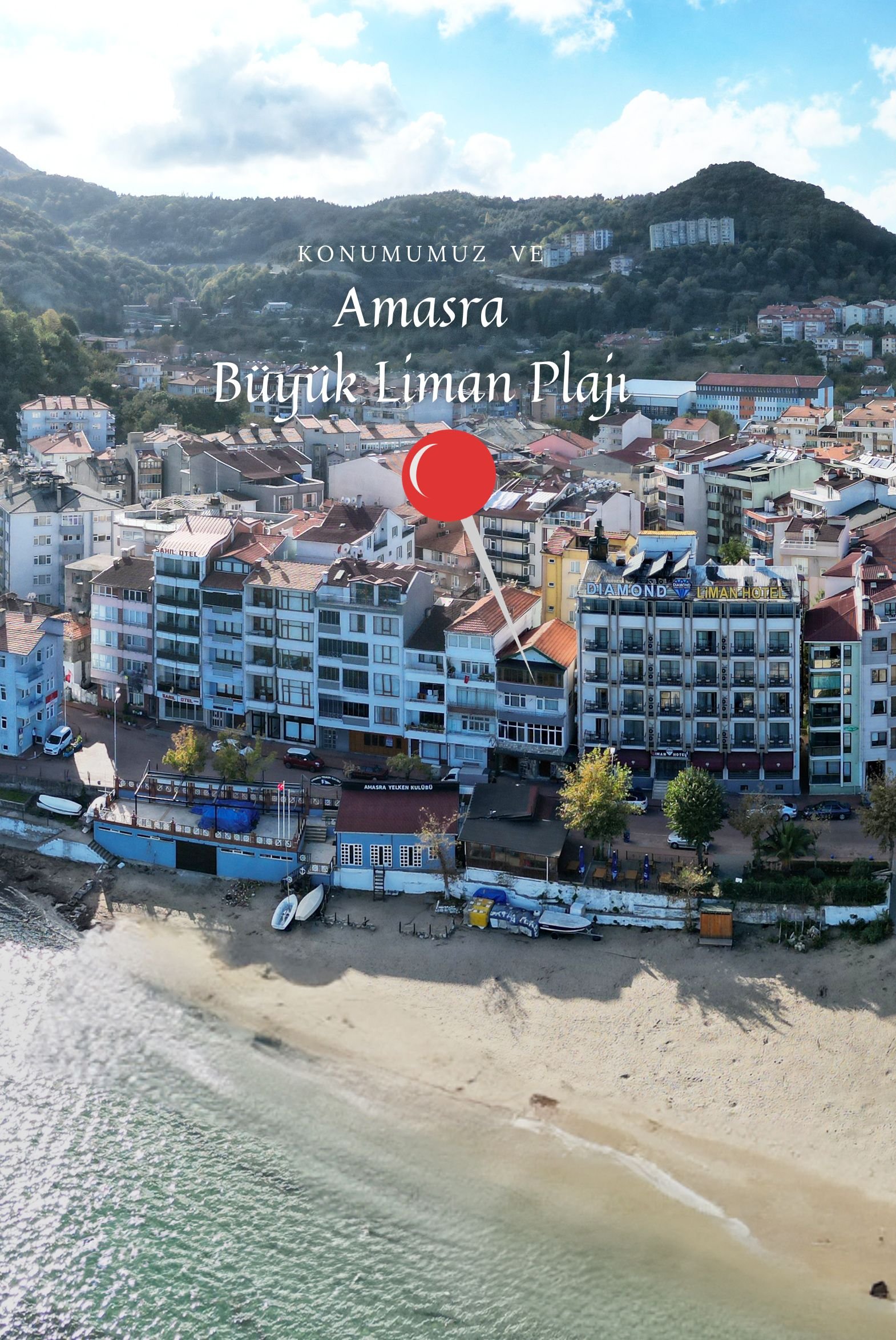
We are happy to introduce you to our business, which we opened with excitement to make a perfect start to discover the historical and natural beauties of Amasra. Located in the center of Amasra, our facility has specially designed rooms with a magnificent view of nature and offers accommodation for up to nine people in total. Here is more information about our new accommodation option.
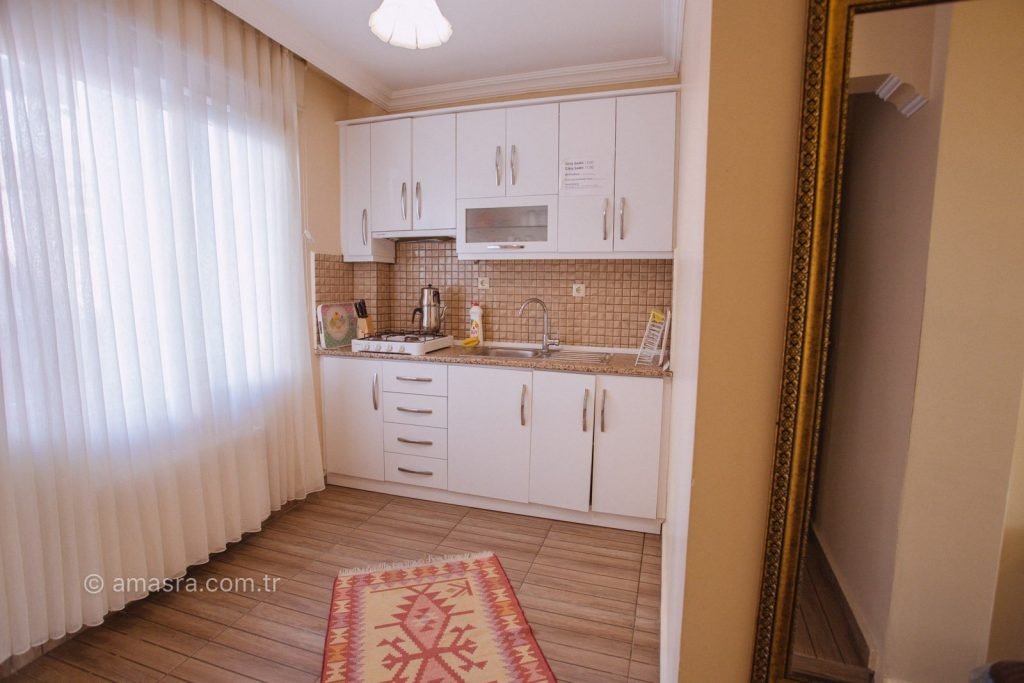
 

Unique Location

Our business is located in the center of Amasra and provides easy access to historical and natural beauties. If you want to visit the ancient port, historical walls and museums, you are just a few steps away. There are also wonderful hiking trails and views for nature lovers.

Specially Designed Rooms

Every room in our facility is carefully designed and offers every comfort and opportunity to our guests to feel like they are at home. Our rooms feature modern amenities such as air conditioning, flat-screen TV, free high-speed Wi-Fi, tea and coffee set, slippers, disposable shampoo and comfortable beds. The balconies of our rooms with nature views are the perfect spot for you to enjoy the beauty of the environment.

Delicious Restaurants

Our business is just a few steps away from the best restaurants in Amasra. These restaurants are famous for local delicacies and seafood. During your stay, you can treat yourself to a gastronomic feast at these wonderful restaurants.

Activities and Excursions

We are happy to organize various activities and excursions for our guests who want to discover the beauties of Amasra. We offer options such as boat tours, nature walks and guided tours to visit historical sites.

Make a Reservation and Enjoy Nature

When you choose to stay in our facility in the center of Amasra, you will have a peaceful holiday in the calm and beauty of nature. We are here to offer you the best accommodation experience. We will be happy to welcome you to our establishment and we are here to help you enjoy the fascinating natural landscapes of Amasra.

Don't miss this accommodation experience surrounded by the tranquility of nature and historical beauties. We invite you to the unique atmosphere of Amasra!

Hostel Amasra'da çift kişilik oda
Hostel Amasra’da çift kişilik oda

hostel-02-room-set-balcony
Balkonlu odalardan biri

Amasra Hostel Location
Hostel Amasra’nın konumu — her iki plaja 3 dakika

Mast Rock

Amasra Mast Rock

Amasra Direkli Rock: History, Features and World Examples

  • Research shows that Amasra Direkli Kaya was built by the Genoese between the 13th and 15th centuries and was used to illuminate and watch the sea.
  • Local belief points to this rock as the pool of Queen Amastris, who ruled in the 3rd century BC, but this is historically disputed.
  • The rock is a 7-meter-long rock formation with a pool connected to the sea, steps carved into the rock and a marble pier.
  • Similar structures are rare around the world, but areas with natural pools like Pamukkale bear some similarities.
  • Unexpected detail: Local legends link the rock to Queen Amastris, giving the site a mystical air.

Introduction Historical Importance of Amasra


Amasra is a coastal town in Bartın province of Turkey with a rich history dating back to the Bronze Age. Known as Sesamos and Amastris in antiquity, this region has been under the influence of Greek, Roman, Byzantine, Genoese and Ottoman civilizations. Especially the reign of Queen Amastris in the 3rd century BC holds an important place in the historical identity of the town. Amasra had a strategic position as a port city and attracted attention with these features.

Direkli Kaya History and Features

Direkli Kaya is a historical rock formation located in the small harbor area of Amasra. Research shows that this structure was built by the Genoese between the 13th and 15th centuries and was used to light and watch the sea. The rock is 7 meters long and includes a pool connected to the sea, steps carved into the rock and a marble pier. These features make the site unique both functionally and aesthetically.

According to local belief, Direkli Kaya is known as the pool of Queen Amastris, who ruled in the 3rd century BC, and is also referred to as the "Pool of Amastris". However, this belief may not exactly match the historical data, as the rock formation is thought to date back to the Genoese period. This makes the site both historically and culturally controversial.

Legends and Local Beliefs

A legend is widespread among the locals that Direkli Kaya was used as a swimming pool by Queen Amastris. This legend adds a mystical air to the site and attracts visitors. Historically, there is a big time gap between Queen Amastris' reign and the Genoese construction, but this belief enriches the cultural identity of the town.

World Examples and Similarities

Both natural and man-made coastal structures like Direkli Kaya are rare around the world. Although it is difficult to find an exact equivalent, here are some structures that bear some similarities:

  • Ancient Coastal Watchpoints: For example, some Roman coastal structures in the Mediterranean may include steps for surveillance and defense, but Direkli Kaya's combination of pool and pier is unique.

These comparisons emphasize the uniqueness of Direkli Kaya and place it in a special place in Turkey's historical heritage.

Interesting Facts and Visit Information

Direkli Kaya is in an easily accessible location in the small harbor area of Amasra. In summer, especially at sunset, the site offers spectacular views. Visitors can visit year-round to discover the historical and natural beauties of the rock

Amasra Pillar Rock Photos (Night - Day and Historical Photos)


Direkli Kaya | Map Location

Patron Saint of Amasra: The History and Legacy of St. Georgios of Amasra

Sainth George Of Amasra By Amasra Com Tr

Introduction: The Sacred Heritage of Amasra and St. Georgios

Known as the pearl of the Black Sea, Amasra is a city that stands out with its deep-rooted history and natural beauties. An important part of this rich heritage is the Byzantine holy figures and their stories. This comprehensive study will explore the life and miracles of St. Georgios of Amasra, one of the patron saints of Amasra, and explore his deep connection with the historical fabric of Amasra.

Before starting the historical narrative, it is important to note that St. Georgios the Great Martyr, known in the Christian world as the "Dragon Slayer" and commemorated on April 23rd, and St. Georgios of Amasra are different people.1 St. Georgios the Great Martyr was a soldier from Cappadocia who was martyred under the Roman Emperor Diocletian (303). His life is full of miracles and resilience in the face of persecution, such as his marching in iron boats, surviving a well of boiling lime and smashing idols.1 St. Georgios of Amasra was a bishop and ascetic of the late 8th and early 9th centuries; he was a spiritual leader, not a military martyr. This distinction is critical for a proper understanding of the issue and to avoid common misunderstandings. Clearly distinguishing between these two different saints is a vital step in emphasizing the unique historical context of St. Georgios of Amasra and helps to clear up any confusion in the reader's mind.

Amasra (Amastris) in the Byzantine Period: A Port and Religious Center

Amasra, known as Amastris in ancient times, was a strategically and economically important city on the Black Sea coast during the Byzantine Empire.2 The city made its first appearance in Byzantine history in 695, when a local monk, Kyros, predicted that Emperor Justinian II would regain the throne.2 Especially since the 9th century, Amasra has been one of the main ports of maritime communication in the Black Sea and an important military base.2 In the 10th century, Niketas David Paphlagon referred to Amasra as the "eye" of Paphlagonia and the "Emporion" (trade center) of the trade with the Scythians (Russians) in the north, which clearly shows the prosperity and commercial vitality of Amasra in this period.3 These descriptions emphasize the city's central role in regional and international trade.

Amasra was not only a commercial and military center during the Byzantine period, but also an important religious center. Originally a bishopric under Gangra, it was elevated to the level of a metropolitanate in 940.3 This rise in religious status reinforced the city's growing importance and religious authority. Administratively, in the 10th century it was a city of the theca of Paphlagonia and the seat of a calepanon (local governor); in the 12th century it was ruled by a doux (military governor).3 This administrative and religious rise reveals the multifaceted importance of Amasra within the Byzantine Empire.

The Byzantine presence of the city was characterized by fortifications, especially against external attacks. In the 9th century, after the Russian raids on the Black Sea coast, new fortifications were built to strengthen the defenses of Amasra Castle.4 It was determined that smaller stones and thicker mortar were used in the walls built during this period compared to the Early Byzantine period, and brick material was also introduced.4 The part of the ancient city that spread to the mainland was probably abandoned after the Russian attack, and Amasra was reconstructed within new walls, with its two harbors on the neck and steep slopes of the peninsula.3 This urban transformation is a concrete example of Amasra's adaptation and resilience to external threats by reshaping not only its military but also its urban structures. While this emphasizes the city's survival strategies and the importance of its strategic location, it also reveals the physical infrastructural equivalent of the protective role mentioned in St. Georgios' Vita. This shrinking of the city and the strengthening of its fortifications clearly shows how Byzantine cities developed a defensive psychology and practices during difficult times.

The Life and Miracles of St. Georgios of Amasra

St. Georgios of Amasra was born in the mid-8th century in Kromna (modern Kurucaşile), about 40 km east of Amasra.6 At a young age he began a career in church administration, but later abandoned this path and retreated to an ascetic life as a hermit on Mount Agrioserike near Amasra.6 His miracles and fame on this mountain brought great pride and joy to the people of Amasra, for they considered him their "homemade hero".6 St. Georgios later joined a monastic community called Bonyssa and continued his spiritual development.6

When the office of bishop of Amasra became vacant in about 790, Patriarch Tarasios of Constantinople appointed Georgios, despite the emperor's preference for someone else.6 Georgios was consecrated as a bishop in Constantinople. During his tenure, the diocese of Amasra was elevated to autocephalous (independent) status.6 St. Georgios fulfilled not only his spiritual duties as a bishop, but also his social responsibilities. He healed the sick, reformed sinners, enriched the poor and eliminated debts. It is said that during his reign there was general prosperity in the city.6 These narratives show that St. Georgios was recognized not only as a religious leader, but also as a figure who contributed to the material and spiritual well-being of his people.

The life of St. Georgios is full of miracles, especially those that protected Amasra from external threats and gave hope to its people. One of the most remarkable miracles was the previously unknown Russian attack on Amasra. The hagiography of St. Georgios ("Vita") describes the Russians as "a people known to all for their barbarism, savagery and cruelty".7 According to the text, the Russians wanted to loot the Saint's tomb, but the city was saved by the Saint's divine intervention.7 This event is considered by many historians to be the earliest written record of the Russians' migration to Southeastern Europe and their first known contacts with the Byzantine Empire.10 This event demonstrates that Amasra was not only the center of a local religious figure, but also an important geopolitical theater of events in the early period of Byzantine-Russian relations. This emphasizes Amasra's strategic position on the Black Sea and its dynamic relationship with Byzantium's northern neighbors, placing a local hagiographic narrative in a broader historical context. Scholarly debate continues over the date of this attack; some place it between 825-830, others link it to the raid on Constantinople in 860, while others point to the 830s.7 Vita mentions the existence of a "closed fortification system" in Amasra during this attack 5also shows the importance of the city's defense structure.

According to the Vita, St. Georgios' protective influence was not limited to the Russian attack. During an Arab invasion targeting the region, the Saint is said to have traveled through the villages warning the inhabitants of the impending danger and guiding them behind the city's sturdy walls.6 Even after his death, the Saint is said to have continued to perform miracles from his shrine, for example preventing the Amasra River from overflowing and protecting the surrounding countryside from severe floods.6 The depiction of St. Georgios as not only a spiritual leader but also a physical protector of his city and its rural hinterland reinforced the perception of him as a "homemade hero" for the people of Amasra. This is a powerful theme that illustrates how hagiography shapes local identity and civic pride, and cemented the Saint's place in Amasra's cultural memory. His multifaceted role as protector emphasizes his importance in the daily life and defense of his people.

Table 1: Important dates and events in the life of St. Georgios of Amasra

Date Range Event Source Additional Explanation
~mid 8th century Birth 6 He was born in Kromna (modern Kurucaşile), about 40 km east of Amasra.
~late 8th century The beginning of a career in church administration and his retreat to a life of asceticism 6 He lived an ascetic life on Mount Agrioserike near Amasra and later joined the Bonyssa Monastery.
~790 His appointment as Bishop of Amasra 6 He was appointed by Patriarch Tarasios of Constantinople, despite the emperor's preference.
During his tenure Elevation of the Diocese of Amasra to autocephalous status 6 It shows the growing religious importance of the city.
~802/807 Deceased 7 He died early in the reign of Emperor Nikephoros I.
9th century Russian attack (dating disputed) 5 It is told that Amasra was saved by the miraculous intervention of the Saint. It is considered one of the first Russian contacts with Byzantium.
Term of office and beyond Miracles such as protection against Arab attacks and flood control 6 He led the people behind the walls and prevented the river from overflowing after death.
10th century The survival of the "Life of St. Georgios" (Vita) manuscript 6 The only primary source on the life and miracles of the Saint.
February 21 Memorial Day of St. Georgios 6 The day he was canonized as a saint in the Orthodox Church.


"The Life of St. Georgios" (Vita): Significance as a Historical Source

The life and miracles of St. Georgios of Amasra are described in the hagiographic text "The Life of St. Georgios" (Vita), which survives in a single manuscript from the 10th century (Paris, Bibliothèque nationale de France, gr. 1452, fols. 57r-75r).6 This text is a unique primary source for Byzantine studies, providing a "gold mine" of information about Byzantine provincial life.6 The text's 19 folios detailing the Saint's life and miracles provide a rich window into the socio-cultural structure of the period.

Vita provides rare insights into the functioning of the medieval Black Sea port, the relationship between the provincial city and the rural hinterland, the psychology of defense and resilience in times of adversity, civic pride and local identity.6 The text has a standard hagiographical structure, including the Saint's origins, upbringing, spiritual formation, his mature achievements and posthumous miracles.6 This structure reflects the hagiographic traditions of the period, while at the same time ensuring the coherence of the narrative. In particular, Saint's expectation to serve the people of Amasra and its environs, rather than being limited to caring for his own family, demonstrates the prevalence of the idea of settlement-based, local loyalty in Byzantine hagiography.6

The original authorship and dating of the work remain unclear. Most scholars agree that the text was written in the 9th or 10th century.6 Some scholars, such as Vasily Vasilievsky and Ihor Ševčenko, attribute the work to the Saint's contemporary Ignatios Deacon and date it before 842, while Germaine da Costa-Louillet and Wanda Wolska-Conus offer different opinions.7 Athanasios Markopoulos, on the other hand, argued that most of the work belonged to Ignatios, but that the section on the Russian attack was added later (between 858-886) under the influence of Patriarch Photios.7 Alexander Kazhdan, on the other hand, has argued that despite the text's close ties to Empress Irene and Nikephoros I, its lack of anti-iconoclast rhetoric and similarities to Emperor Nikephoros II Phokas (963-969) suggest that it can be dated to the late 10th century.7 The ongoing scholarly debate over the authorship and dating of the Vita demonstrates that hagiographical texts are not only religious narratives, but also valuable sources of information about Byzantine history, culture, and politics that require careful interpretation. These debates reveal the difficulties historians face and the methodological rigor they apply when extracting information from primary sources. In this way, the Vita offers a unique window into Byzantine provincial life.

Traces of St. Georgios and Locations in Amasra

Although there is no specific church or monastery directly dedicated to St. Georgios in Amasra that has survived to the present day 13There are important Byzantine buildings and ruins that bear witness to his time and influence.

Fatih Mosque (Former Byzantine Church): The Fatih Mosque, located inside Amasra Castle, was originally a Byzantine church built in the 9th century.4 It was converted into a mosque during the conquest of Amasra by Fatih Sultan Mehmet in 1460/1461.20 Although the original name of this church is not known for certain, it is referred to as "Old Church" or "Amasra Church" in the sources.22 The 9th century date of the building is of great significance as it coincides with the episcopate of St. Georgios (ordained c. 790) or shortly after his death. It is an architectural witness to the period in which the Saint lived and served, and is one of the most tangible Byzantine heritages in Amasra. The fact that the Fatih Mosque was built as a Byzantine church in the 9th century provides the most tangible and present-day structural link to the period in which St. Georgios lived in Amasra. This is a critical point for visitors to connect the Saint's story to the physical fabric of the city and experience history in a more tangible way.

Amasra Castle and Walls: The existence of a "closed system of fortifications" in Amasra during the Russian attack, mentioned in the Vita of St. Georgios 5emphasizes the importance of the city's defense structure. Amasra Castle and the walls surrounding it are an indication of the military and strategic importance of the city during the Byzantine period. Aziz's directing the people behind the walls during the Arab attacks 6 these fortifications played an active role and were central to the defense of the city. The ruins of the castle standing today bear witness to these historical events and symbolize the city's resilience in the past.

Mount Agrioserike and Bonyssa Monastery: It is stated that Mount Agrioserike, where St. Georgios practiced asceticism, is near Amasra and the Bonyssa Monastery, which he later joined, is also located in the region.6 Although the precise locations of these locations cannot be pinpointed today, it suggests that the rural hinterland of Amasra played an important role in the Saint's spiritual journey and was not just the urban core of the city. This emphasizes the Saint's connection to the local environment.

Amasra Museum: Amasra Museum is home to various archaeological finds from the Byzantine period. Cross necklaces, oil lamps, ceramics and coins on display here 6The Vita provides valuable clues to the daily life and religious practices of St. Georgios' time. These artifacts provide valuable insights into the "provincial Byzantine life" described in the Vita. 6 and provide visitors with a visual and tactile context of the society in which the Saint served. The Byzantine artifacts in the Amasra Museum embody the socio-cultural environment in which St. Georgios lived, serving as a bridge to understand not only historical events, but also the beliefs, lifestyles and economic activities of the people of that period.

Table 2: Historical Locations Associated with St. Georgios in Amasra

Location Name The Connection with St. Georgios Current Status/Importance Source
Fatih Mosque It was built as a Byzantine church in the 9th century, coinciding with the episcopate of St. Georgios. Today it is used as a mosque and is located in Amasra Castle. It is one of the most tangible Byzantine heritages in Amasra. 4
Amasra Castle and Walls The Vita of St. Georgios indicates the existence of a "closed fortification system" during the Russian attack. The Saint is said to have led the people behind the walls during the Arab attacks. The remains of the Byzantine city walls can still be seen today, symbolizing the strategic importance and resilience of the city. 4
Agrioserike Mountain It is the place where St. Georgios practiced asceticism and lived as a hermit. Although its exact location is not known today, it is stated to be in the rural surroundings of Amasra. 6
Bonyssa Monastery The monastic community that St. Georgios joined as part of his ascetic life. Its exact location is not known today. 6
Amasra Museum Byzantine artifacts (cross necklaces, oil lamps, ceramics, coins) from the period when St. Georgios lived are exhibited. It provides visitors with concrete information about the daily life and material culture of Byzantine Amasra. 6


St. Georgios' Legacy and Memorial Day

St. Georgios of Amasra is recognized as a saint in the Orthodox Church and his memorial day is February 21.6 More than just a religious narrative, his life and miracles are an integral part of Amasra's historical identity and cultural heritage. He has become a symbol of the city's resilience in difficult times and the pride of the local population in their "home-made hero".6 St. Georgios will continue to be remembered as the patron saint of the city, representing Amasra's vibrant connection to the past. His story shows that Amasra is not only united by its natural beauty, but also by its deep historical and spiritual heritage.

Conclusion: St. Georgios in the Historical Depth of Amasra

The story of St. Georgios of Amasra is not only a biography of a saint, but also a rich narrative that reflects the strategic importance, religious life, struggle against external threats and cultural identity of an important port city of the Byzantine Empire on the Black Sea, Amasra. His Vita, despite academic controversy, remains a primary source that offers unique insights into provincial life of the period. This text is an indispensable resource for understanding the complexity and richness of life in a remote corner of the Byzantine Empire.

Visitors to Amasra can find the spirit of St. Georgios and with him the deep traces of Byzantine Amasra in the walls of the Fatih Mosque, the castle walls and the exhibits of the Amasra Museum. As tangible evidence of the era in which the Saint lived, these locations offer visitors the opportunity to establish a vivid connection with the past. St. Georgios will continue to be remembered as the patron saint of the city, representing Amasra's vibrant connection to the past. His legacy emphasizes the unity of Amasra, not only with its natural beauty, but also with its rich historical and cultural fabric.

Author: Kemal Onur Özman

Original PDF version of the article and sources:  History of St. Georgios of Amasra_


July 1st Maritime and Cabotage Day in Amasra: Meeting Point of the Sea and Heritage

amasra-beach-suites-apartments-sea-view (18 of 18)

Celebrated every year in Turkey on July 1st to emphasize the importance of maritime and cabotage rights. Maritime and Cabotage Day, is welcomed with enthusiasm in coastal cities. Famous for its history and nature Amasra is also one of the traditional celebration points of this special day. So what is done in Amasra on July 1st, and what is the importance of this holiday?


History and Importance of Cabotage Rights

The right of cabotage refers to the privilege of a state to conduct maritime trade within its own coasts and inland waters and to benefit from all profits derived from these waters. July 1, 1926 Turkish maritime and fishing gained significant momentum with the Cabotage Law that came into force on . With the end of the privileges granted to foreign countries, great developments took place in both economic and social areas.


Amasra's Relationship with the Sea

When it comes to maritime, it is one of the most beautiful port cities of the Western Black Sea. Amasra comes to mind. This coastal town, whose history dates back 3,000 years, has a history identified with fishing and maritime trade. Amasra's geographical structure, spreading over two islands and a peninsula, also provides a sheltered harbor for fishing activities. Today, fishing and boat tours are an important source of income and hobby for the people of Amasra and visitors.


July 1st Celebrations: Amasra, the Address of Enthusiasm

July 1st Maritime and Cabotage Day is celebrated in Amasra with events starting in the morning and continuing throughout the day. Here are some exciting moments that can be experienced on this special day:

Ceremonies and Official Celebrations: The ceremonies, which started early in the morning at Amasra Port, continued with a moment of silence and the reading of the National Anthem. Protocol speeches emphasized the importance of the maritime sector for Amasra and Türkiye.

Boat Tours and Shows: On the day of the festival, especially fishermen and boat owners decorate their boats with flags. Small processions with the participation of boats departing from the harbor present colorful scenes to visitors.

Sports Events: In some years, swimming, sailing, rowing and fishing competitions are organized. The races held on the sea create exciting moments for both participants and spectators. The most exciting race is the one held regularly every year. Oiled Pole' is. A pole greased with grease is hung on the boat and the competitors try to get this flag by advancing on the pole.

Music and Entertainment Programs: Celebrations are made even more colorful with musical events, folk dance shows and local concerts organized in the evening. Tourists and locals can taste Black Sea flavors at the stands set up along the coast.


Local Flavors and Experiences

Those who spent time in Amasra on the occasion of Maritime and Cabotage Day, Amasra salad, should not forget to taste fresh fish and other local delicacies. The pleasure of eating fish with a sea view in the restaurants lined up along the coastline of Amasra is something else. You can also experience culture and maritime heritage in the same day by visiting historical places such as Amasra Castle and Kemere Bridge.


Final Word

July 1st Maritime and Cabotage Day, is a meaningful day that reminds the people of Amasra of their deep-rooted connection with the sea and emphasizes the importance of the rights Turkey has gained in the field of maritime. Feeling the joy of the holiday in the unique nature, historical texture and warm-hearted people of Amasra allows you to deeply experience the culture of the sea. It will be a wonderful experience to visit Amasra on July 1st to enjoy the deep blue waters of the Black Sea and to participate in events that shed light on the national maritime history.

The Fatal Design of Amasra Castle: Machicolations Invisible from the "Stone Balcony" Tehdit⚔️

Amasra Snow Photos
Amasra Castle Entrance

The Fatal Design of Amasra Castle: Machicolations ⚔️


What is Machicolation - The Invisible Threat from the "Stone Balcony"

  • Description: Stone platforms with hollows at the base, overhanging the outside of the bastions with consoles
  • Aim: The enemy approaching at the foot of the ramparts directly below shoot; pour arrows, stones, tar, boiling water/oil or lime
  • Advantage Defender, by the enemy invisiblearchers shoot from the battlements without retreating

Traces in Amasra

Location Feature Observable Detail
Genoa Castle Cantilevered stone projections on the north and west bastions Still under the stones round drain holes visible
Exterior Door (Sormagir) Double row machicolation above the door arch Worn grooves, oil-stone flow marks
Interior Doorway Smaller but tightly spaced cavities Because of the narrowness of the passage "adjacent fire" provides

Architectural Note: Instead of mortar between console stones in Amasra lead tenon traces are visible; preferred to increase resistance to heat.


How did the "invisible death trap" work?

  1. The enemy is at the door - Battering rams start breaking down the door.
  2. Defenders Deploy to the Base - Oil boilers and stone baskets are ready.
  3. Bulk / Shot - Through openings in the base of the Machicolation full vertical shot is done; the target cannot escape.
  4. Psychological Collapse - Unable to find cover, soldiers panic and the pace of the siege slows down.

Similar Examples from Anatolia and the World

Castle Country / City Featured Detail
Yoros Castle Turkey / Istanbul Genoese three-span machicolation
Bodrum Castle Turkey / Mugla The hollow platforms of the French Knights in the Saint-Jean tower
Bodiam Castle England / Sussex Double-deck machicolation on the gate bridge
Château de Carcassonne France / Occitanie 34 cantilevered balconies from the 12th century
Krak des Chevaliers Syria / Homs Continuous machicolation belt overlooking the inner courtyard
Palma de Mallorca Cathedral Spain / Balearic Gothic-style alcoves in the outer wall line

Strategic Layer

  • Steep Slope + Narrow Passage + Machicolation the combination will make Amasra "impregnable harbor" into a man.
  • Byzantine and Genoese commanders used this system to protect the Black Sea trade route. multiple lines of defense with

History Engraved on Stones

Today, when you look down the battlements, you can see oil glassy layersurfaces that have been heated by fire hundreds of times. Amasra Castle is not just a landscape, The cold genius of medieval war engineering you watch.


The Mysterious Legacy of Amasra Castle: Tomas Well

Amasra Tomas Kuyusu

1. Strategic Location: The Lifeblood Lurking Between the Inner Gate and the Outer Gate

Located between two monumental defense structures - the Inner Gate and the Outer Gate Tomas Wellwas the only source of water for the castle's inhabitants during the days of siege. Considering that water took precedence over food in medieval castles, it is no coincidence that the well was hidden behind two massive gates - a "secret insurance" with water placed right in the heart of the defense line.


2. Tomas Well in Historical Records

Establishment: Although the exact date of construction is uncertain, the stonework indicates a long period of use from Byzantine to Ottoman.

Visual Evidence: Photographs from the 1930s show that the well is still active and providing clean water.

Local Narratives: It is said that the water drawn from the well was delivered to the castle as well as the surrounding neighborhoods, thus providing life not only for the military but also for civilian life.


3. The State of Today: A Time Capsule Buried in Silence

Today, the mouth of Tomas Well is filled with soil and rubble. Close-up view:

Current Status Observed Problem Potential Risk
Mouth completely closed No access to water supply Deterioration of the historical fabric
Loose wall stones Stone fall Visitor safety
Information is incomplete Awareness is low Forgetting cultural heritage

Kübra Daily Apartment

Kubra Gunubirlik Apart Amasra

in the center of Amasra 4-5 people daily rental apartment where you can stay up to Average accommodation price 2500-3000TL is.

Communication: +90 546774 71 74 

Address: Sand neighborhood. Violet sok. No:9 Kat:3

Housing NO: 74-162

Balkaya Pension

Amasra Balkaya Pansiyon

Contact & Reservation Information

  • Address: General Mithat Ceylan Street, Amasra/Bartin
  • Telephone: +90 (378) 315 14 34

Welcome to Balkaya Pension!
Our apartments are located in the heart of Amasra, just 50 meters from the sea, 50 meters from the historical Çekiciler Bazaar and 400 meters from Amasra Museum. We offer an unforgettable accommodation experience with our comfortable rooms, friendly staff and affordable prices.

Contact Information

  • Address: General Mithat Ceylan Street, Amasra/Bartin
  • Telephone: +90 (378) 315 14 34

Please contact us for more photos and information. We look forward to welcoming you soon!

Kaya Pension

amasra-kaya-pension-9

Family pension located 30 meters from the sea in the center of Amasra.

Tel. +90 378 315 13 95

📈 Amasra Continues to Rise in Cruise Tourism (2025 Current Data)

Amasra Kemere Koprusunda Romantik Bir Resim

Amasra Port in Top 4 in Turkey

According to data from the Directorate General of Maritime Affairs, Department of Maritime Trade Development, Cruise passenger ship statistics for the first 4 months of 2025 Amasra Port is among the 10 ports in Turkey Ranked 4th.

Thanks to the strengthening of Amasra Port as a customs port and the investments in the passenger pier, the number of foreign tourists coming to the region continues to increase every year.


How Did Cruise Tourism Start in Amasra?

Amasra welcomes its first cruise ship In August of 2022 and became one of the most important stops of Black Sea cruise tours. This development, Ministry of Transport and Infrastructure tendered and constructed in 2018 by Amasra Port Passenger Pier and Marina project.

In 2021, with the approval of President Recep Tayyip Erdoğan Permanent Sea Border Gate Open for International Entry-Exit The technical infrastructure works were completed in the declared port and it was made suitable for cruise ships.


Historic Port, Center of New Routes

Amasra, which was an important port and trade center during the Roman, Byzantine, Genoese and Ottoman periods, became one of the indispensable stops of cruise tourism in the Black Sea with the investments made.

Especially 193 meters long and 30 meters wide the one which... Astoria Grande The cruises of the cruise ship named Amasra provide a great value for both the tourism of the district and the economy of the region.

Special Tours for Cruise Tourists in Amasra

Tours to Bartın and its surroundings are organized for cruise tourists arriving in Amasra. Among these tours:

  • Bartın River and Bartın City Museum
  • Guzelcehisar Lava Columns
  • UNESCO heritage Safranbolu district

is one of the most important places to visit.

Amasra's Historical and Natural Beauties Fascinate

Tourists coming to Amasra by cruise ship have the chance to discover the historical and natural beauties of the region together. Main places to visit:

In the district center, especially Amasra Castle, Genoa Castle, Kemere Bridge, Fatih Mosque, Mast Rock And Bedesten Besides historical buildings, they can enjoy the sea, sand and sun on the coastline.

Visitors can visit famous Amasra restaurants Amasra Salad and try the various fresh fish menus.


Çekiciler Bazaar and Souvenir Shopping

The symbol of Amasra Attractive Bazaaris one of the places where tourists spend the most time. Wooden hand carving and Bartın's unique wire breaking art Handmade souvenirs produced with traditional techniques, such as the "handmade souvenirs", attract a great deal of attention.


The Favorite of Russian Tourists: Safranbolu Turkish Delight

One of the most preferred delicacies of Russian tourists Safranbolu delight. Businesses selling Turkish delight and souvenirs in the district say that Russian tourists are particularly interested in Turkish delight and tea, Turkish coffee and cosmetic products in local markets.


📊 Amasra Port in Figures

Number of tourists hosted in the first 4 months of 2025: 6,841 foreign tourists
Cruise port rankings across Turkey: 4th place
One of the most popular stops on the Black Sea line

Çakraz (Amasra)

Çakraz Sahil Motel — Amasra

cakraz-tatil-koyu


Çakraz Holiday Village (Amasra)

Çakraz is a holiday resort in Amasra. Thanks to its natural bay, it has been home to ancient civilizations throughout history. It stands out as one of the most beautiful places to swim in the Black Sea Region with its clean and clear beaches.

Sea Season

The sea season in Çakraz usually starts after June 20. You can either swim at the beach in the center of Çakraz or enjoy the turquoise blue waters and the sun at Bozköy Beach, just 1.5 km from the town.

Places to Visit and Activities in Cakraz

  • Historical Remains: In the cemetery located in the center of Çakraz Holiday Village, there are historical remains from the Roman Period. However, this area has not been sufficiently protected and the necessary care has not been taken. Some valuable artifacts in the region are exhibited in the Amasra Museum.
  • Nature Walks: You can hike on the hills stretching east and west of the region and watch the sunrise and sunset from these points.
  • Bicycle and Boat Tours: You can rent a bicycle from Çakraz and make a pleasant journey to Amasra and explore the cultural and historical sites here. You can also visit Amasra and Rabbit Island with boat tours.

Accommodation in Cakraz

There are no starred hotels in Çakraz; businesses are generally motel and apart house style. Accommodation demand increases in the summer months (June-September) and room rates vary between 700-2500 TL per person on average. You can book your place on the contact pages of the hotels to take advantage of early booking opportunities or spring discounts.

  • Cakraz Hotels List: [Link: mu-konaklamaistesi]
  • List of Cakraz Hostels: [Link]
  • Çakraz Photos: [cakraz-sahili-kemal-onur-ozman]

Chakras Photos

Where and What to Eat in Cakraz?

Çakraz is a town where you can find the freshest and most delicious fish after Amasra. If you wish, you can have your fish prepared in restaurants at affordable prices and served to your plate. Many of the hotels in Çakraz are also known for their restaurant management; some of them have even become famous for their restaurants rather than accommodation. Visitors coming from Ankara, Karabük and Zonguldak to eat fish and salads on a daily basis are common.

  • Recommended Restaurants:
    • Aladdin Motel & Restaurant
    • Deniz Motel & Restaurant
  • Daily Rental Apartments: Gören Apart Pansiyon (Çakraz - Bozkoy)

How to get to Cakraz? Distance Table

  • Amasra to Cakraz: 16 km, about 20 minutes
  • From Ankara to Cakraz: 340 km, about 3.5 hours
  • Istanbul to Cakraz: 420 km, about 4.5 hours

Where and what to eat in Çakraz?

After Amasra, there are many places where you can find the most beautiful and fresh fish, and if you wish, you can prepare these fish in restaurants and bring them ready to your plate at affordable prices.

Most of the hotels in Çakraz stand out with their restaurant management. Some hotels are even more famous for their restaurants than accommodation! People who come from Ankara, Karabük, Zonguldak to eat fish & salad daily are often encountered.

The best restaurants to eat in this region Aladdin Motel & Restaurant or Deniz Motel & Restaurant.

Daily Rental Apartments: Gören Apart Pension (Çakraz – Bozköy)

How to go to Çakraz? Distance Chart

How to get from Amasra to Çakraz?

Amasra'after chakra 16km 20 minutes in progress.

Ankara'340 km from 3.5 hours in progress.

Istanbul'from 420km 4.5 hours in progress.

Ruhi Palas | An Unforgettable View

amasra-ruhi-palas-with-sailing-boat-
Ruhi Palace Balcony view

A Peace Stop in ElitAmasra - Ruhi Palas

  • Address: Kaleiçi, Kuledibi Sk. No:46, 74300 Amasra/Bartın
  • Telephone/Booking: Booking Link 0850 309 7450
  • Document Number: 2022-74/0175

Amasra, the pearl of the Black Sea, has always had a special place in my heart with its calmness, historical texture and natural beauties. Last summer, when I set out to explore this charming town, I chose Ruhi Palas for accommodation and it didn't take me long to realize how accurate my decision was. Here's a glimpse of the unforgettable days I spent at Amasra Ruhi Palas!

The location of Ruhi Palace is where the historical Kemere bridge and the view of the island is at its best.

Ruhi Palas, Amasra Castle on the outskirts, in the Kaleiçi neighborhood. The moment I stepped through the door, I felt like I was on a journey through history. When I reached the apartment, the view that greeted me was like a painting: Boztepe Island on one side, the ancient Kemere Bridge on the other and the blue of the Black Sea on the horizon... As I sat on the balcony and watched this view, I forgot all my tiredness with a cup of tea in my hand.

Fully equipped kitchen

One of my favorite things about Ruhi Palas was its large and spacious apartment. Two bedrooms And fully equipped with the kitchen, I felt as comfortable as if I was at home.

Room located next to the bathroom

I prepared my breakfast in the kitchen and ate it on the balcony; by the way seagulls accompany me He did. At one point I even found myself feeding them breadcrumbs - it was like being back in my childhood! Everything has been thought of in the apartment: Fresh towels, a modern bathroom, a TV and a quick booking system. The warmth of being a family-run business is felt in every detail.

Part of the landscape

As I wandered the streets of Amasra, the location of Ruhi Palas made it easy to get everywhere. I bought handmade souvenirs at the Çekiciler Bazaar, ate fish and bread on the beach and visited the Amasra Museum. But at the end of the day, it was all worth it to return to Ruhi Palas and relax in front of the magnificent view.

Especially in the afternoon, sitting on the balcony at sunset and listening to the waves gave me a chance to get away from the stress of city life.

There was also an espresso machine for the apartment.

If you are looking for a peaceful and comfortable vacation in Amasra, Ruhi Palas is just for you. At this point where history and nature meet, waking up to the sound of seagulls and breathing in the scent of the Black Sea is a priceless experience. I will choose this place again next time, because Ruhi Palas, One of the things that makes Amasra Amasra! If you want to experience this beauty, make sure to book early - because they only have one apartment with this view!

Address:

Kaleiçi, Kuledibi Sk. No:46, 74300 Amasra/Bartın
Telephone/Booking: Booking Link 0850 309 7450

Amasra & Coins in Antiquity

Amasra Sikkeleri

Great! I will prepare an easy-to-read, interesting and prominent article about the historical artifacts found in Amasra, the historical use of Amasra coins and the states that this use is related to, and the general historical importance of Amasra. I will touch on all periods.

I'm starting the research, I'll present it to you as soon as I can!

Amasra Historical Artifacts, Coins and Historical Importance

(File:Amasra.JPG - Wikimedia Commons) Amasra is a port city on the Black Sea coast, famous for its two natural bays, historical castle and unique landscape.

Amasrais today a charming district of Bartın province and has carried the traces of different civilizations throughout history. The city, which fascinated even Mehmet the Conqueror with its natural beauty, was recognized by the Ottoman sultan. "Çeşm-i Cihan" (the eye of the world) (Fatih Sultan Mehmet's "Çeşm-i Cihan" Amasra... - Zonguldak News - Breaking News). From ancient times to the Ottoman period, Amasra has always maintained its importance with its ancient artifacts, coins and strategic location. In this article, the main historical artifacts found in Amasra, the use of coins in the city in various periods and the civilizations to which these coins belong will be discussed.

Amasra in Antiquity (Sesamos and Amastris)

The oldest known name of Amasra Sesamos'is. Homer's Iliad In the epic, the city of Sesamos is mentioned among the forces coming from the Paflagonian region in the Trojan War (The Importance of School in Girls' Education in the Ottoman Empire (1839-1920) Songül KEÇECİ KURT - Suat POLAT). This information indicates that Amasra entered the stage of history as early as 1200 BC (during the legendary period). Sesamos It is stated that the name comes from the sesame plant that grows around the city and means "land of sesame" (Fatih Sultan Mehmet's "Çeşm-i Cihan" Amasra... - Zonguldak News - Breaking News). Sesamos, which gained importance as a commercial port city in the region since the 6th century BC during the Ionian colonies, continued its existence during and after the Persian domination.

During the Hellenistic period, Amasra experienced the most interesting pages of its history. After the conquests of Alexander the Great, the Persian nobility Princess Amastrisgained power in the region through political marriages. Around 300 BC, princess Amastris brought together small settlements and named them after herself. amastris founded the city (Coins of the Ancient City of Amastris | Agesilaos Ancient Coins Numismatics). This is a rare example of a woman in antiquity founding a city named after herself. Moreover, the queen Amastris, the first female ruler in history to have a coin issued in her name is known as (Coins of the Ancient City of Amastris | Agesilaos Ancient Coins Numismatics). The silver coins minted by Amastris were inscribed in Greek "Basilissēs Amastrios" (belonging to Queen Amastris) and a portrait of a young woman on the obverse (Amastris - Encyclopedia of World History) (Amastris - Encyclopedia of World History). The coins minted during this period can be seen as symbols of Amastris' power and heritage.

(Coins of the Ancient City of Amastris | Agesilaos Ancient Coins Numismatics) An Amasra coin minted in the 4th century BC under the name "Sesamos"; the obverse depicts Zeus wearing a laurel crown and the reverse depicts Demeter with a crown on her head (Coins of the Ancient City of Amastris | Agesilaos Ancient Coins Numismatics). These early coin designs reflect the city's cultural ties to Greek mythology.

The archaeological heritage of ancient Amasra is also felt in the ruins that have survived to the present day. Some temple foundations and architectural fragments dating to the Hellenistic period indicate the vitality of the city at that time. In particular, the rescue excavations carried out in 2017, which are thought to have pre-Roman foundations agora (bazaar square) area reveals that Amasra was an important trade center of the region from the early period (Ancient city in Amasra under excavation | Daily Sabah ). The statues and altars from the Hellenistic period exhibited in the Amasra Museum give clues about the religious and cultural life of the city in ancient times.

Amasra in Roman Period

Region in the 1st century BC, Roman Empire dominated by the Pontic Kingdom. Amasra, which was in the hands of the Pontus Kingdom, was captured by the Roman commander Lucullus in 70 BC (Amasra - Wikipedia). Amasra in Roman times (Latin amastris), the empire's Paphlagonia continued its development as an important port city and trade center of the province. The famous Roman writer Pliny the Younger wrote about Amasra in a letter to Emperor Trajan. "elegant and beautiful" and states that he sought the emperor's permission to cover an open canal that ran through the center of the city and emitted a foul odor (Amasra - Wikipedia) (Fatih Sultan Mehmet's "Çeşm-i Cihan" Amasra... - Zonguldak News - Breaking News). This anecdote shows that the city's construction activities were also given importance during the Roman period. As a matter of fact, on a city coin from the time of Trajan, Amasra's Metropolis (capital city) is known to bear the title (Amasra - Wikipedia), proving the city's regional prominence.

During the Roman Empire, the face of Amasra was enriched with monumental buildings. unearthed during excavations in the 2020s stoa (columned gallery)reveals the architectural splendor of the city in Roman times (The ancient city founded by Queen Amastris is rising again). This structure, whose marble columns reach 9 meters in height, served as a magnificent gallery surrounding the central square (agora) of the city. Experts believe that the remains of this stoa in Amasra is one of the most important stoas ever unearthed in the Black Sea Region. the most monumental marble structure emphasizing that, despite being a small port city, Amasra reached an architectural level that emulated the great Mediterranean cities such as Ephesus or Side (The ancient city founded by Queen Amastris is rising again).

One of the most interesting artifacts from the Roman period in Amasra Kuskayasi Road Monumentis. This monument is located close to the city center, carved into the rocks on the side of the mountain road, AD 41-54 It was built by Gaius Julius Aquila, governor of the province of Bithynia et Pontus (during the reign of Emperor Claudius) (Amasra - Wikipedia). The Kuşkayası Monument, which was built as an accommodation point on the military road route, includes a niche, an eagle figure and an inscription carved on the surface of the rock. This monument is an indication of the importance that Rome attached to transportation and military infrastructure in the region, and is a unique road monument that is rare in Turkey.

When we look at the history of money, with the Roman rule Roman coins It was put into circulation in Amasra. Gold, the standard of the empire aureus, silver denarius and bronze sestertius such coins were used in the region. However, the city of Amasra continued to mint coins during the Roman period to emphasize its local identity. Especially Antonines and Severuses In some city coins of the period, we see the efforts of the people of Amasra to glorify the city in a mythical way. A remarkable example is the bardic inscriptions on the coins of Amasra. The portrait of Homer scraping and "Homer of Amastris" is the addition of the phrase (The Importance of School in Girls' Education in the Ottoman Empire (1839-1920) Songül KEÇECİ KURT - Suat POLAT). Through these coins, the people of Amasra claimed that the famous epic writer Homer was born in their city and thus tried to increase the cultural prestige of the city (The Importance of School in Girls' Education in the Ottoman Empire (1839-1920) Songül KEÇECİ KURT - Suat POLAT). Since being the birthplace of Homer was an honor held by many ancient cities, Amasra wanted to place itself in a unique position by using this motif on its coins.

Amasra in the Byzantine Period

Amasra after the Roman Empire was divided into two, Eastern Roman (Byzantine) Empire territory. During the early Byzantine period, the city maintained its importance and became a bishopric; by the 9th century, the Diocese of Amasra had risen to the top of the religious hierarchy in the region. During the Byzantine period, the city's acropolis was fortified into an inner fortress and a church was built here, which still stands today (Amasra - Wikipedia). This church was rebuilt after the conquest. Fatih MosqueAmasra Castle and continues its existence within Amasra Castle. This work of Byzantine architecture sheds light on the religious life of the city in the early Middle Ages.

Amasra was also subjected to external attacks from time to time during Byzantine rule. Especially in the 9th century Russian (Varangian) raids during which the city was pillaged (Castles.nl - Amasra Castle). These Viking raiders, who reached the Black Sea coast, sacked Amasra in the 830s and destroyed the region. Despite this, the city recovered and largely regained its economic prosperity towards the 10th century (Amasra - Wikipedia). Byzantine historians state that in the 9th century Amasra had a vibrant economy based on crafts, trade and agriculture and was considered one of the most prosperous ports on the Black Sea coast (Amasra - Wikipedia).

During the Middle Byzantine period, Amasra was able to change hands when the central authority was weakened. In 1204, when Constantinople fell to the Latins after the Fourth Crusade, Trabzon EmpireKomnenos family, one of the founders of the Ottoman Empire, dominated the region. As a matter of fact, in 1204 David Komnenos Georgian-Trabzonian forces under the leadership of Amasra captured Amasra and annexed it to the Empire of Trabzon (Castles.nl - Amasra Castle). However, this situation did not last long; within a few years the city Anatolian Seljuks's control for a short time and then returned to Byzantium (Castles.nl - Amasra Castle). These fluctuations show the strategic value of Amasra on the Black Sea trade routes.

The currency used in Amasra during the Byzantine period was the same as that used throughout the empire. gold solidus and then histamenone/nomisma Byzantine coins, such as the Byzantine coins. Local minting of coins largely ceased, and the coins in circulation came from mints based in Constantinople. Archaeological finds in Amasra include Byzantine bronze follis and copper coins, reflecting the city's integration into the Byzantine trading system. Today, the Amasra Museum exhibits Byzantine cross necklaces, oil lamps, ceramics and coins, thus presenting Byzantine traces in daily life (Amasra Museum | Turkish Archaeological News) (Amasra Museum | Turkish Archaeological News).

Amasra in the Genoese Period

  1. Amasra in the second half of the century, Genoese RepublicIt was an important colony that came under the control of Genoa in line with its interests in the Black Sea. In 1261, thanks to the Treaty of Nymphaion signed with Byzantium, the Genoese gained a monopoly in the Black Sea trade and in the same year By renting Amasra from Byzantium established their governance (Fatih Sultan Mehmet's "Çeşm-i Cihan" Amasra... - İmza Gazetesi) (The most beautiful address a road can lead to.... Fatih Sultan Mehmet's ...). From this date, Amasra remained under Genoese influence for nearly two centuries. The city was rebuilt by the Italians Samastro and formed a commercial network with the Genoese colonies of Kefe (Feodosia), Sinop and Trabzon on the Black Sea. During the Genoese period, Amasra became a lively port where silk, spices, timber and even slaves were traded.

The Genoese carried out important construction activities to strengthen the defense and ports of Amasra. Amasra CastleMost of the existing fortifications were renovated or rebuilt during this period. In addition to the fortifications rising on ancient and Byzantine foundations, the main entrance gates on the land side of the castle and the front wall (perdahane) were built in the 14th-15th centuries in the Genoese architectural style (Amasra - Wikipedia). It is possible to see Genoese coats of arms and inscriptions on the castle walls. Especially Dungeon Castle (inner castle) and Boztepe island Sormagir Castlewere interconnected in the Genoese period. Kemere Bridge to form a holistic defense system (Castles.nl - Amasra Castle) (Castles.nl - Amasra Castle). One of the Latin inscriptions that the Genoese had placed to fortify the castle shows that a section of the walls "Nicolo Zaccaria" period, indicating that the rulers of Amasra were appointed from Genoese noble families.

Commercially, during the Genoese period in Amasra Coins of Mediterranean origin was in circulation. The Genoese Republic had its own currency Genovino d'oro (Genoese gold) and silver denaro coins in their colonies. In Amasra, these Genoese coins, as well as the coins of other Italian city-states (e.g. the Venetian ducat), were widely traded. Genoese coins recovered during the excavations show that gold coins, especially 14th century Florentine florins and Venetian ducats, were in circulation in Amasra. This is a reflection of the role the city played in international trade. Today, coins and trade seals from the Genoese period occupy an important place in the collection of the Amasra Museum and give visitors an insight into medieval Black Sea trade.

Amasra in the Ottoman Period

  1. By the mid-century, Amasra was still under Genoese rule, but it was one of the targets of the Ottoman Empire's strategy to turn the Black Sea into an inland sea. Fatih Sultan MehmetAfter the conquest of Constantinople, he turned to the Black Sea coast and targeted the Genoese colonies. In October 1460, Fatih arrived in front of Amasra by land and sea and besieged the city (History of Amasra). Captivated by the natural beauty and strategic location of the city, Fatih, "Lala, lala! Is this the Çeşm-i cihan?" It is rumored that he expressed his admiration and said that he did not want to destroy such a beautiful city by war (Fatih Sultan Mehmet's "Çeşm-i Cihan" Amasra... - Zonguldak News - Breaking News). Thereupon, he sent an envoy to the castle and demanded to receive the key to the city, and the Genoese commander in Amasra surrendered the castle without bloodshed. Thus October 17, 1460 Amasra was annexed to the Ottoman Empire without a single battle. The day Fatih conquered Amasra, there are still Peace Day and this event is remembered as an example of a peaceful conquest (Fatih Sultan Mehmet's "Çeşm-i Cihan" Amasra... - Zonguldak News - Breaking News) (Fatih Sultan Mehmet's "Çeşm-i Cihan" Amasra... - Zonguldak News - Breaking News).

Under Ottoman rule, Amasra initially maintained its military and commercial importance, but over time it became a quiet sanjak center. Mehmet the Conqueror fortified the castle after the conquest and placed a garrison inside, and organized religious life by converting the Byzantine church into a mosque (Castles.nl - Amasra Castle). During the Ottoman period, Amasra Castle became one of the Black Sea's guard posts against enemy attacks, with cannons placed inside (today, examples of these Ottoman bronze cannons are exhibited in the museum garden (Amasra Museum | Turkish Archaeological News)) coastal security has been ensured.

Economically, the Ottoman period witnessed Amasra's continuation as a regional port. Although the volume of trade declined compared to the Genoese period, maritime trade continued, especially with ports on the northern Black Sea, such as Crimea and Akkerman, and with Constantinople. The Ottoman monetary system was fully adopted in Amasra; akçe It was used in the city as the basic silver currency of the Ottoman Empire, followed by gold in the following centuries. sikke-i hasene (sultani) and Mughal Copper coins, such as copper coins, also entered circulation. Since Amasra did not have a small mint until the 17th century, the coins used were usually minted in the mints of Istanbul, Üsküdar or Chios. Nevertheless, many coins from the Ottoman period have been found during excavations. Among these coins, coins from the reigns of Mehmet the Conqueror, Bayezid II and Suleiman the Magnificent are evidence of Amasra's integration into the Ottoman trading system after the conquest.

During the Ottoman period, the demography of Amasra also changed; while some of the Genoese and Greek population was transferred to places like Istanbul and Gallipoli, the Turkish population was brought from the Anatolian interior and settled. When Evliya Çelebi visited Amasra in the 17th century, he wrote that there were about 50 guard houses, a mosque, a bathhouse and a bazaar inside the castle and introduced Amasra as a small but charming town. However, with the change in trade routes and the loss of importance of the port in the following periods, Amasra stagnated economically and evolved into a quiet coastal town dealing mostly with regional fishing and agriculture.

Historical Importance and Heritage of Amasra

Amasra, Nearly 3000 years of uninterrupted settlement history is almost a living open-air museum of the Black Sea. This city, which has traces of every period from Antiquity to the Ottoman Empire, has been the meeting point of different civilizations. Thanks to its strategic location, it is both a trade base and a military fortress function, Amasra has played a role in every stage of history. Pliny's "elegant and beautiful" that the Genoese called "flowery castle" that he referred to as "Çeşm-i Cihan" Amasra (Fatih Sultan Mehmet's "Çeşm-i Cihan" Amasra... - Zonguldak News - Breaking News), has fascinated travelers and rulers of all eras.

Today, it is possible to see Roman, Byzantine, Genoese and Ottoman touches on the walls of Amasra Castle at the same time. A Genoese inscription in Latin on one corner of the castle, an Ottoman monogram on the other corner, a block stone from the ancient period by the sea... All these elements concretely reveal the multi-layered history of Amasra. Amasra MuseumThe museum presents this heritage to visitors with excavated sculptures, sarcophagi, inscriptions, everyday objects and a large collection of coins. Exhibited in the museum garden Hellenistic, Roman, Byzantine, Genoese and Ottoman periods stone artifacts include large jars (pithoi), amphorae, column capitals, inscriptions and cannon roses (Amasra Museum | Turkish Archaeological News). This rich collection is the best evidence of Amasra's historical importance and cultural continuity.

Amasra's historical significance is not only in the past; the city is a UNESCO World Heritage Tentative Listand efforts are underway to enter the permanent list (Amasra Castle (2025) - All You Need to Know BEFORE ... - Tripadvisor). In particular Amasra CastleThe city is preserved for its universal value as part of the network of Genoese trading colonies stretching from the Mediterranean to the Black Sea. Ongoing archaeological excavations bring new finds to light every year, such as the recently restored Roman stoa, adding to the city's touristic appeal (The ancient city founded by Queen Amastris is rising again) (The ancient city founded by Queen Amastris is rising again).

As a result, Amasra; the ancient world SesamosAmasra is a unique historical treasure blended with the coins immortalizing the name of Queen Amastris, the magnificent structures of Rome, the solid walls of Byzantium, the commercial wealth of Genoese and the cultural heritage of the Ottoman Empire. This rich heritage combined with its natural beauty makes Amasra not only a tourist destination but also a living city that witnesses history. This jewel of the Black Sea continues to generously offer all the colors of the past to today's visitors.

Sources:

  1. Information about the Ancient City of Amastris and Queen Amastris - Agesilaos Ancient Coins Numismatics (Coins of the Ancient City of Amastris | Agesilaos Ancient Coins Numismatics) (Coins of the Ancient City of Amastris | Agesilaos Ancient Coins Numismatics)
  2. Fatma Bağdatlı Çam, information from the article "Homer of Amastris" - Bartın University Archaeology Department (The Importance of School in Girls' Education in the Ottoman Empire (1839-1920) Songül KEÇECİ KURT - Suat POLAT) (The Importance of School in Girls' Education in the Ottoman Empire (1839-1920) Songül KEÇECİ KURT - Suat POLAT)
  3. Wikipedia (English) - Amasra article (History and information about the castle) (Amasra - Wikipedia) (Amasra - Wikipedia)
  4. Anadolu Agency (AA) news, 23.11.2024 - Excavation and restoration works in Amasra (The ancient city founded by Queen Amastris is rising again) (The ancient city founded by Queen Amastris is rising again)
  5. Aybüke Ünal, "Fatih Sultan Mehmet's 'Çeşm-i Cihan' Amasra" - Signature Newspaper, 17.10.2023 (Fatih Sultan Mehmet's "Çeşm-i Cihan" Amasra... - Zonguldak News - Breaking News) (Fatih Sultan Mehmet's "Çeşm-i Cihan" Amasra... - Zonguldak News - Breaking News)
  6. Daily Sabah news website, 11.08.2017 - Ancient city excavations and history in Amasra (Ancient city in Amasra under excavation | Daily Sabah ) (Ancient city in Amasra under excavation | Daily Sabah )
  7. Amasra Museum information - Turkish Archaeological News (Amasra Museum | Turkish Archaeological News) (Amasra Museum | Turkish Archaeological News)

Amasra Campsites List and Locations

Amasra Kamp Alanlari Konum Haritasi

Where to Camp in Amasra? Detailed Guide

Amasra, the pearl of Bartın, is one of the most beautiful coastal towns of the Black Sea. It is a great destination for camping enthusiasts with its natural beauties, historical texture and calm atmosphere. However, the limited number of commercial camping sites in Amasra causes campers to turn more towards natural areas. In this guide, we will discuss in detail the best places to camp in Amasra, transportation information, things to consider and answers to frequently asked questions.


Areas for Camping in Amasra

There are both coastal and highland areas where you can camp in and around Amasra. Here are the prominent camping areas and details:

1. Small Harbor Area (Near the Museum)

  • Location: Small Harbor in the center of Amasra, right next to the Museum.
  • Features:
    • The closest campsite to the center of Amasra.
    • There are flat areas suitable for tent camping.
    • It also offers parking for caravan camping.
    • The view is spectacular as it is located on the seafront.
    • In summer there can be a lively atmosphere; campfires, music and crowds are expected.
  • Advantages:
    • A grocery store, restaurants and restrooms are within walking distance.
    • Easy access to the center without the need for public transportation.
  • Disadvantages:
    • It can be noisy in summer.
    • Since it is not a commercial campsite, there are no facilities such as showers.
  • Transport: You can reach the center of Amasra in 5-10 minutes on foot.

2. Çakraz Akkonak Region

  • Location: About 15 km from Amasra, in the town of Çakraz.
  • Features:
    • There are two different campsites in the area.
    • Close to the sea, surrounded by natural beauty.
    • Private camping businesses are available, so it offers a more organized space for tents and caravans.
  • Advantages:
    • Clean beaches and clear sea.
    • Basic needs (toilet, water) can be met in the campsites.
  • Disadvantages:
    • It is difficult to reach by public transportation; for those arriving by bus, the 30-minute distance can take 3-4 hours.
    • Transportation by private car is more comfortable.
  • Transport: There are minibuses from Amasra to Cakraz, but there is no frequent service. It takes 20 minutes by private car.

3. Highlands: Uluyayla, Ardıç and Gezen Plateaus

  • Location: About 20-30 km from Amasra, inland.
  • Features:
    • Ideal for those who want to camp alone with nature.
    • The plateaus, which host every shade of green, are fresh even in summer with their cool air.
    • There are large areas suitable for tent camping.
  • Advantages:
    • It's quiet and peaceful.
    • Great routes for hiking and nature exploration.
  • Disadvantages:
    • There are no grocery stores or restaurants, so come prepared.
    • Private vehicle is required for transportation.
  • Transport: There is no public transportation from Amasra to the plateaus. 30-45 minutes by private car.

4. Beach Surroundings: Mugada, Güzelcehisar, Çakraz, Akkonak, Göçkün and Karaman (Çambu)

  • Location: Popular beaches in and around Amasra.
  • Features:
    • Beachfront camping.
    • Most beaches have areas suitable for pitching tents, but some may charge a fee.
    • Unique natural formations such as Güzelcehisar lava columns enrich the camping experience.
  • Advantages:
    • A vacation atmosphere with sea, sand and sun.
    • Some beaches have facilities such as cafes and restrooms.
  • Disadvantages:
    • It can be crowded in summer.
    • Permission for camping may be required.
  • Transport: Most of the beaches are 10-20 km from Amasra. Transportation is possible by minibus or private car.

5. Natural Beauties: Orahna-Eldeş Valley, Ulukaya and Gölderesi Waterfalls

  • Location: In the interior of Amasra, areas intertwined with nature.
  • Features:
    • Waterfalls, valleys and forested areas offer a fascinating atmosphere for camping.
    • Ideal for trekking and nature photography.
  • Advantages:
    • An experience away from the crowds, alone with nature.
    • Fresh air and cool environment.
  • Disadvantages:
    • There is no infrastructure; you have to bring food, water and equipment.
    • Transportation is difficult, pathways may be required.
  • Transport: Transportation by private vehicle or with a guide is recommended.

Things to Consider While Camping in Amasra

  • Preparation: Bring food, drinks, tents and camping equipment as commercial campsites are limited.
  • Nature Conservation: Take care not to leave garbage in campsites. Be careful when lighting a fire, take precautions against the risk of forest fire.
  • Season: The summer months are ideal for camping, but bring waterproof tents and clothing for the sudden rains of the Black Sea.
  • Security: Be careful with valuables in crowded areas. If you are camping in isolated areas, give someone location information.
  • Permission: Camping on some beaches or private areas may require a permit. Ask for information in advance.

Transportation to Amasra

  • Special Vehicle: It takes 4 hours from Ankara and 6 hours from Istanbul. You can reach Amasra via Bartın.
  • Bus: You can take a bus to Bartın and then take a minibus to Amasra in 20 minutes.
  • Airport: The nearest airport is in Çaycuma, Zonguldak (50 km). You can reach Amasra by renting a car from here.

Frequently Asked Questions (FAQ)

  1. Is it possible to camp for free in Amasra?
    • Yes, you can camp for free in Küçük Liman, highlands and some beaches. However, fees may be charged at private businesses or certain beaches.
  2. Are there showers and toilets in the campsites in Amasra?
    • Private campsites such as Çakraz Akkonak may have basic facilities. However, these facilities are usually not available in Küçük Liman or in the highlands. You can use the public toilets in the center.
  3. What is the best season for camping in Amasra?
    • May through September is the best period. It offers a warm and lively atmosphere in summer and a calmer nature experience in spring and fall.
  4. Is it possible to reach the campsites by public transportation?
    • Küçük Liman can be reached on foot. There is a minibus to Çakraz and the beaches, but there is no public transportation to the highlands. Private vehicle is recommended.
  5. Is there a risk of wild animals while camping in Amasra?
    • Pigs or small wild animals may be seen in highlands and forested areas. Store your food well and be careful at night.

Additional Recommendations

  • Activities: While camping, be sure to visit Amasra Castle, Çekiciler Bazaar and Rabbit Island.
  • Food and Drink: You can eat fresh seafood in Amasra's famous fish restaurants and barbecue in the campground.
  • Photography: Güzelcehisar lava columns, Ulukaya Waterfall and Small Harbor offer great shots for photography enthusiasts.

Amasra is a unique place for both sea and nature camping. If you come prepared, you can have an unforgettable camping experience in this cozy Black Sea town. Happy camping! 🏕️


Amasra and Fatih Sultan Mehmet

Amasra Tarihi Topografik Harita

Amasra and Fatih Sultan Mehmet Connection: A Historical Conquest Story

Amasra, known as the pearl of the Black Sea, is a port city that has attracted attention throughout history with its natural beauties and strategic location. In Ottoman history, this small but important city stands out as a part of the conquest policies of Fatih Sultan Mehmet. Mehmet the Conqueror's annexation of Amasra to Ottoman territory is considered a great military and commercial success. In this article, the connection of Amasra with Mehmet the Conqueror, the date of the siege, the other conquest attempts of Mehmet the Conqueror in the same period and the strategic importance of Amasra will be discussed in detail.

Siege and Conquest of Amasra

Amasra was conquered by Fatih Sultan Mehmet in 1460. This conquest went down in history as the Siege of Amasra, but it was remarkably warless and bloodless. At the time, Amasra was a colony under the control of the Genoese and an important center for Black Sea trade. The Genoese had dominated the region since the 13th century and had made the harbor and castle the base of their commercial activities.

Mehmet the Conqueror turned his attention to the Black Sea coast after the conquest of Constantinople (1453). Having put an end to the Byzantine Empire with the conquest of Constantinople, Fatih wanted to consolidate the regional power of the Ottoman Empire and ensure political unity in the Black Sea region. The conquest of Amasra was part of this goal. In 1460, Fatih marched to Amasra by land with his army and Grand Vizier Veli Mahmud Pasha marched to Amasra by sea with the navy. Fatih reached the valley of the Bartın River with a difficult journey starting from Bolu and when he reached a point overlooking Amasra, he was impressed by the beauty of the city and uttered his famous words: "Lala, lala! Is this the Çeşm-i Cihan?" (Is this the eye of the world?). This expression reflects his admiration for Amasra's natural beauty and strategic value.

During the siege, Fatih sent a messenger to the castle, demanding surrender and informing them that otherwise the castle would be shelled from land and sea. Faced with a sudden and coordinated Ottoman offensive, the Genoese realized that resistance was futile. A delegation led by the last Genoese consul handed over the keys of the castle to the Conqueror. Thus, Amasra, which had been under Genoese rule since 1204, joined Ottoman territory in October 1460. The Conqueror showed mercy to the inhabitants of the city and did not take them prisoners, but sent a group of a few hundred people with their rulers to Istanbul.

Other Conquests of Sultan Mehmet the Conqueror during the same period

Mehmet the Conqueror's conquest of Amasra in 1460 was a time when his policies to expand Ottoman sovereignty in the Black Sea and Anatolia intensified. After the conquest of Constantinople, Mehmed the Conqueror continued his conquests both in the east and the west and took important steps towards transforming the Ottoman Empire into an empire. Some important sieges and conquests that took place in the same period or close to the conquest of Amasra are as follows:

  1. Conquest of Sinop (1459-1460): A year before Amasra, or around the same time, Fatih targeted Sinop, another important port city on the Black Sea. Sinop was in the hands of the Candaroğulları Principality and Fatih eliminated this principality and took Sinop without a battle. The conquest of Sinop facilitated the capture of Amasra and strengthened Ottoman dominance in the Black Sea.
  2. Conquest of Trabzon (1461): One year after the conquest of Amasra, Fatih targeted the Greek Empire of Trabzon. On August 15, 1461, the Ottoman army besieged Trabzon and captured the city after a long campaign. This conquest consolidated Ottoman rule on the eastern shores of the Black Sea and completely eliminated the Byzantine remnants in the region.
  3. Peloponnese Campaign (1458-1460): Fatih was also active in the Balkans and the Peloponnese during the same period as the conquest of Amasra. He organized an expedition to the Peloponnese Despotate between 1458-1460 and annexed this region to Ottoman territory. The conquest of the Peloponnese contributed to the Ottoman power in the Mediterranean.
  4. Serbia Campaigns (1454-1459): In the years preceding Amasra, Fatih had organized expeditions into Serbia and, with the exception of Belgrade, had largely taken control of this region. Although the Siege of Belgrade in 1456 failed, other parts of Serbia came under Ottoman rule.

These conquests show that the Conqueror was a leader capable of simultaneous operations across a wide geography. The conquest of Amasra was part of this grand plan to gain a strategic base on the Black Sea.

Importance of Amasra

Amasra has been of great strategic and economic importance throughout history. The reasons behind Fatih Sultan Mehmet's desire to conquer this city are as follows:

  1. Strategic Location: Amasra was a city on the west coast of the Black Sea, notable for its natural harbors. These harbors provided a safe haven for both military and commercial ships. The Ottoman goal of turning the Black Sea into a "Turkish lake" required the control of port cities like Amasra.
  2. Trade Center During the Genoese period, Amasra was an important center of Black Sea trade. Located at the northern end of the trade routes from Anatolia to the east, the city was known for its rich forest products (especially boxwood and chestnut) and fishing. Fatih wanted to bring this economic potential to the Ottoman Empire.
  3. The Piracy Problem: Pirates operating off the coast of Amasra were harming Muslim merchant ships. Fatih eliminated this threat and secured the trade routes in the Black Sea.
  4. Political Unity in the Black Sea: Before the conquest of Istanbul, only Samsun was under Ottoman control on the Black Sea. The capture of Amasra was an important step towards political unity on the Black Sea coast and paved the way for further conquests.

After the conquest, Amasra was attached to Bolu Sanjak and guards were stationed in the region. The city maintained its importance during the Ottoman period and continued to attract attention with its natural beauties and historical texture.

Conclusion

Mehmet the Conqueror's conquest of Amasra in 1460 was a turning point in his policy of Black Sea domination. This conquest, which took place without a war, reveals both the military genius and diplomatic skills of Fatih. Amasra was known as "Çeşm-i Cihan" for its natural beauty and added strength to the Ottoman Empire with its strategic and economic importance. Conquering regions such as Sinop, Trabzon and Peloponnese in the same period, Fatih took firm steps towards transforming the Ottoman Empire into a world empire. The story of Amasra is a summary of Fatih's visionary leadership and the rise of the Ottoman Empire.

Where to Visit in Safranbolu ? 17 Different Beauties

Saat Kulesi Safranbolu — Amasra
  • Ottoman architecture, natural beauties and cultural experiences stand out among the places to visit in Safranbolu.
  • Places such as the Old Bazaar, Tokatlı Canyon and the House of District Governors are a must-see.
  • The city is a UNESCO World Heritage Site and is famous for its historic fabric.

General Information

Safranbolu is a historic town in Karabük Province, Turkey, known for its more than 2,000 traditional Ottoman-era houses. A UNESCO World Heritage Site, the city is noted for both its architectural and cultural richness. Many attractions such as the Old Bazaar, Ottoman houses and natural areas offer visitors an unforgettable experience.

Featured Places

  • Old Bazaar: An ideal area for strolling, full of narrow streets, handicraft shops and Ottoman houses.
  • Tokatlı Canyon: Suitable for trekking, the glass terrace offers exciting views.
  • House of District Governors: 19. yüzyıl Osmanlı yaşamını sergileyen bir müze, giriş ücreti 15 TL (çocuklar için %50 indirim).

Unexpected Detail

Safranbolu is famous not only for its historical buildings, but also for its saffron festival, which takes place in October-November and includes saffron-themed events and film festivals.

Historical and Cultural Importance of Safranbolu

Safranbolu is an open-air museum with around 2,000 traditional Ottoman-era houses (800 of which are protected). These houses are usually three storeys, with the lower floors being stone-framed and the upper floors timber-framed, divided into working and family spaces. The city is also known for its saffron production, hence its name. The Saffron Festival, held in October-November, celebrates the use of saffron as both a dye and flavoring and hosts events such as the International Golden Saffron Film Festival.

Places to Visit and Detailed List

In the table below, the main attractions in Safranbolu are listed with descriptions and approximate location information. Google Map links have been added so that users can easily find the places.

Attraction Center Explanation Location Information Google Maps
Old Bazaar (Safranbolu Eski Carsi) The narrow streets are full of handicraft shops, Ottoman houses and cafes, ideal for strolling. Safranbolu old city center (Carsi area) Old Bazaar
Tokatli Canyon (Tokatli Canyon) 5-6 km trekking route, exciting views from the glass terrace, entrance fee, cafe. 7 km north of Safranbolu Tokatlı Canyon
Yuruk Village An open-air museum, wooden houses and agricultural activities showcasing nomadic nomadic life. 14 km east of Safranbolu Yuruk Village
Crystal Glass Terrace Glass terrace, panoramic views of historic houses and valleys, adventurous with transparent floor. Near Tokatli Canyon Crystal Glass Terrace
Kaymakamlar House (House Museum) Museum showing 19th-20th century Ottoman life, kitchen, harem and selamlik sections, entrance 15 TL. Near the historic marketplace House of District Governors
City Museum (City History Museum) In the 1904 government building, clothes, coins and artifacts on display, closed Monday, 9:00-17:30. On a hill overlooking Safranbolu, requires walking City Museum
Anatolia Miniature Clock Towers Museum Miniatures of Turkey's clock towers, fun for kids, can be visited in 30 minutes. Near the City Museum Clock Towers Museum
Cinci Hamam Turkish bath from the Silk Road era, traditional massage (200 TL/hour), clean and friendly. Kazdagliogolu Square, Safranbolu Cinci Hamam
Cinci Han Caravanserai 17th century caravanserai, cafe, restaurant and accommodation, historic water pump and coffee museum. Near Old Bazaar, Cinci Han Street Cinci Han
Köprülü Mehmet Pasha Mosque 18th century stone-fronted mosque, beautiful interiors, part of the world heritage ensemble. İzzet Paşa Street, next to Shoemakers Bazaar Köprülü Mehmet Pasha Mosque
Old Bazaar It is full of shops selling copper, glass, Turkish coffee and saffron Turkish delight, ideal for shopping. Historical marketplace, Safranbolu Old Market
Hidirlik Hill The hill, which is reached by a short walk, is ideal for photographs of the landscape garden and Ottoman houses. In the hills of Safranbolu, in the middle of plateaus Hidirlik Hill
Bulak Caves Turkey's largest cave system, full of stalactites and stalagmites, entrance 10 TL, coats recommended. 10 km north of Safranbolu Bulak Caves
Incekaya Aqueduct 18th century aqueduct, 6 arches, 116 m long, entrance 7 TL, glass terrace and zipline nearby. 7 km north of Safranbolu Incekaya Aqueduct
Saffron Festival In October-November, events celebrating saffron, film festivals and cultural activities. In various places in Safranbolu Safranbolu
Local Flavors Saffron tea/coffee (Boncuk Arasta Kahvesi, since 1661), Banduma (Zencefil Yorecel Lezzetler), zerde (Hanim Sultan Cafe). Various cafes and restaurants in Safranbolu Boncuk Arasta Coffee, Ginger Yorecel Flavors, Hanim Sultan Cafe
Accommodation in Ottoman Mansion Staying in traditional mansions, recommended: Camlica Konagi (rose garden, breakfast), Peri Konak. Safranbolu old city center, various attractions Camlica Konagi

Practical Information and Advice

  • Entrance Fees: There is an entrance fee for some places (for example, Kaymakamlar Evi 15 TL, Bulak Caves 10 TL).
  • Transport: Safranbolu can be reached by bus from Ankara or Istanbul. Local taxis can organize day trips to remote spots such as Bulak Caves and Incekaya Aqueduct (around 350 TL/20 €).
  • Timing: October-November is ideal for the Saffron Festival, while the summer months are suitable for nature walks.
  • Guided Tours: Full-day tours cover the historic center, museums, caves and villages, with hotel pick-up/drop-off for under 100 USD (e.g, this tour).

Places to visit in Bartın

Bartın River — Amasra

Detailed List of Places to Visit in Bartın Center: A Comprehensive Guide

Bartın, as a charming city in the Black Sea Region, attracts attention with its historical and natural beauties. Especially the city center offers a rich sightseeing route with historical mosques, museums, parks and riverside activities. This guide includes a detailed list of places to visit in the center of Bartın, their features and important information for visitors.

General Characteristics of Bartın Center

Bartın, which became a province in 1999, is a city that stands out with its historical and natural beauties. The city center is full of easily accessible places for both locals and tourists. In this guide, the places located in the city center or very close to it are discussed in detail.

Historical and Cultural Sites

The center of Bartın offers a cultural richness with historical buildings and museums dating back to the Ottoman period. Below is detailed information about these places:

  • Bartin Orta Mosque
    • Location: Bartın Merkez, Kürtepe, Orta Cami Sk., 74100 Bartın Merkez/Bartın.
    • Features: Built in 1901, this mosque is a fine example of Ottoman architecture. It has a single dome and a minaret and is also noteworthy for the traditional handicraft workshops around it.
    • Why Visit?: It reflects the cultural heritage of Bartın with its historical and architectural importance.
    • Additional Information: Entrance is free and open for worship. The best time to visit is in the morning, except for prayer times.
    • URL: Google Maps
  • Shadervan Mosque
    • Location: Bartın Merkez, Merkez Şadırvan Cami, 74100 Bartın Merkez/Bartın.
    • Features: Built between 1903-1905, this mosque stands out with its 40 windows and decorative interior. There is a historical fountain opposite and it is still open for worship.
    • Why Visit?: It is ideal for seeing the architectural features of the Ottoman period and being in a historical atmosphere.
    • Additional Information: Entrance is free and open for worship. Visiting hours can be organized according to prayer times.
    • URL: Google Maps
  • Bartın City Museum
    • Location: Bartın Center, 74100 Bartın Merkez/Bartın.
    • Features: Showcasing 4000 years of Bartın's history, this museum contains ethnographic items, traditional rooms and historical photographs. In total, more than 700 artifacts are on display.
    • Why Visit?: It is an ideal spot to understand the history and cultural heritage of the city.
    • Additional Information: Opening hours: 09:30-18:00 (closed Monday). The entrance fee is usually free with a museum card, otherwise a low fee (around 10 TL) is charged.
    • URL: Google Maps
  • Kemal Samancıoğlu Ethnography Museum
    • Location: Bartın Center, 74100 Bartın Merkez/Bartın.
    • Features: Located in a restored historic house, this museum exhibits more than 700 ethnographic items and mummy figures. It reflects the traditional lifestyle of Bartın.
    • Why Visit?: Ideal for getting to know the city's cultural heritage.
    • Additional Information: Opening hours: 09:00-17:00 (closed Monday). The entrance fee is usually free with a museum card, otherwise a low fee (around 10 TL) is charged.
    • URL: Google Maps

Natural and Recreational Areas

The center of Bartın is also an attractive destination for nature lovers with its green areas and riverside activities. Below is detailed information about these places:

  • Balamba Nature Park
    • Location: 2 km from the center of Bartın, easily reachable on foot.
    • Features: Covering 13,000 hectares, this park is equipped with playgrounds, walking paths, picnic areas, a volleyball court, a restaurant and a tea garden. It also hosts cultural events.
    • Why Visit?: It is an ideal recreation and entertainment area for families. Local delicacies such as village pancakes can be tasted here.
    • Additional Information: Admission is free and can be visited at all hours.
    • URL: Google Maps
  • Gazhane Culture Park
    • Location: In the center of Bartın, by the Bartın Stream.
    • Features: Spread over 11,000 m², this park is equipped with walking paths, bicycle paths, ornamental ponds and various plant species. It hosts cultural events.
    • Why Visit?: Offers a peaceful relaxation area for couples or groups of friends.
    • Additional Information: Entrance is free and the park can be visited at all hours.
    • URL: Google Maps
  • Bartın River
    • Location: Passes through the center of Bartın, easily accessible in the city center.
    • Features: Bartın River, the most important river of Bartın, is formed by the merger of Kocaçay and Kocanazçayı. It is 15 km long and passes through the city center. It is known for boat tours and picnic areas.
    • Why Visit?: Running through the heart of the city, this river attracts visitors with both its natural beauty and historical significance. Boat tours offer the opportunity to take a river cruise in the city center, an unexpected experience.
    • Additional Information: Local businesses can be contacted for boat tours. Picnic areas are free of charge and available at all hours.

Extra Points Close to the City Center

There are also places close to the center of Bartın, some distance from the city center but suitable for day visits. Detailed information about these places is given below:

  • Inkumu Beach
    • Location: 15 km from the center of Bartın.
    • Features: A 3 km long beach, popular in the summer months for its clean sea. It offers sun loungers and canopy rental.
    • Why Visit?: It is an ideal spot for enjoying the sea and the sun.
    • Additional Information: Entrance is free, but sun lounger and canopy rental fees vary between 10-15 TL. D755 road or public transportation can be used for transportation.
  • Bird Rock Road Monument
    • Location: 12 km from the center of Bartın.
    • Features: A unique monument from Roman times, decorated with human and eagle figures. It is a unique historical monument in the world.
    • Why Visit?: Notable for its historical and archaeological importance.
    • Additional Information: Entrance is free and can be reached via the D010 road.
  • Kemere Bridge
    • Location: 18 km from the center of Bartın, near Amasra.
    • Features: It is a bridge dating from the Roman period and connects Zindan Island and Amasra. It has been restored several times and offers sea views.
    • Why Visit?: It attracts attention with its historical importance and view.
    • Additional Information: Entrance is free and can be reached via the D010 or public transportation.

Visiting Tips

  • Visiting Hours: Museums are usually open from 09:00-18:00, but may be closed on Mondays. Parks and natural areas can be visited at all hours.
  • Transport: The city center is easily accessible on foot or by public transportation. For more distant points, private car or minibus can be preferred.

Conclusion

From historic mosques to green parks, museums to scenic rivers, the center of Bartın offers a variety of places to visit. These places promise unforgettable experiences for locals and visitors alike. Follow this list to discover Bartın's rich cultural and natural heritage.


Key Citations

Byzantine Coins from Hadrianopolis (Paphlagonia)

Amasra Müzesi Yenilendi

Authors

  • Ergun Lafli (Dokuz Eylul University, Izmir)
  • Chris Lightfoot (The Metropolitan Museum of Art, New York)
  • Max Ritter (Johannes Gutenberg-University, Mainz)

This paper presents a brief assessment of 21 Byzantine coins recovered from Hadrianoupolis in southwestern Paphlagonia during archaeological fieldwork between 2005 and 2008. One of the coins is silver, the rest are bronze or copper alloy. Chronologically speaking, one group belongs to the Early and the other to the Middle Byzantine Period. Although the number of specimens collected is small, these coins provide important information about the circulation of Byzantine coins in one of the most rural areas of northern Anatolia.

Keywords: Byzantine coins; Hadrianoupolis; Paphlagonia; Honorias; North-Central Anatolia; Asia Minor; 6th-7th century.


Paphlagonia, Honorias and Hadrianoupolis in the Byzantine Period

During the Byzantine period, Paphlagonia and Honorias were provinces located in north-central Anatolia, on the Black Sea coast, between Bithynia and Pontus. Paphlagonia emerged as a separate province in the 4th century AD (Hierocles, Synecdemus c. 33). In the 7th century it was attached to the Opsikion theca, then to the Boukellarion theca. Later, it was separated again and became a thema in its own right. This military-civilian province of the Byzantine Empire was founded in the region that bears its name and was probably formally organized during the reign of Emperor Michael II, c. 815-819 AD. This thema approximately preserves the boundaries of the late antique province of Paphlagonia. After the Battle of Manzikert (1071), the area fell to the Seljuks, but the coastal areas were soon recaptured by Byzantium.

Paphlagonia's southern neighbor is Honorias. As a province in the Late Roman period, it included parts of Bithynia and Paphlagonia. This province, whose capital was Klaudioupolis (today Bolu), was part of the Pontic Diocese. In the 6th century AD (during the reign of Emperor Justinian I), it merged with Paphlagonia for a while and became a single province under the name "Praetor Paphlagoniae Iustianianeus", but was later separated.

Location and Importance of Hadrianoupolis

Hadrianoupolis is located near the Eskipazar district of today's Karabük province, 3 km from Eskipazar. It is strategically located at the intersection of the roads between Paphlagonia and Galatia and Bithynia, in the interior of the mountainous passes reaching the Black Sea. It was a small but important city in the past, as evidenced by the viticulture (especially wine production) in its vicinity. According to research, the area was densely populated in late antiquity and the Early Byzantine period (5th-7th century).

In ecclesiastic sources, the city is referred to as a diocese of the Metropolis of Claudioupolis. Some of the bishops of Hadrianoupolis (e.g. Theophilos, Plato, Niketas, etc.) participated in different councils. There are also inscriptions of some imperial edicts issued during the reign of Emperor Justinian, which were communicated to the people through the bishop of the city.

Urban Structure

Surveys have revealed that Hadrianoupolis has the remains of at least 25 buildings. These include two baths dating to the Early Byzantine period, two basilicas, a domus complex with mosaics, a possible theatron, and other buildings decorated with wall paintings (frescoes). The city is thought to have covered a relatively large area and was surrounded by a city wall.


Byzantine Coins from Hadrianoupolis

A total of 21 Byzantine coins were collected at Hadrianoupolis during the excavations and surveys between 2005-2008. One of them is silver, the others are bronze/copper alloy. Their chronological distribution is as follows:

    1. century: 3 pieces
    1. century: 10 pieces
    1. century: 1 piece
  • 10th-11th century: 5 pieces
  • Unidentified 2 pcs

The earliest coin belongs to the reign of Emperor Justin I (518-527). The latest dated coin belongs to the reign of Romanos IV (1068-1071). This is interesting as it shows an uninterrupted period of time until the Byzantine domination period before the Battle of Manzikert (1071).

Finding Areas of Coins:

  1. Hamam A

    • The southern part of the city was partially excavated by the local museum in 2003; additional excavations were carried out in 2006-2007.
    • There are thought to be 5 main phases (475-525, 525-575, 575-675, 675-725 and post-725).
    • 10 coins were found in this building. They are mostly dated to the 6th and 7th centuries and also to the 10th-11th century.
  2. Domus (Mosaic Residence)

    • It was used during the Early Byzantine Period and wall paintings and mosaic floors were found inside.
    • Five coins were found here. They date to the 6th-7th century.
  3. Hamam B

    • It is located about 100 m west of Hamam A. Its function is not yet clear.
    • Three coins were found here (dated to about the middle of the 7th century).
  4. Basilica A

    • Only 1 coin (Leo III, 8th century) was found. It is important because it shows that the church was used at least until the first half of the 8th century.
  5. Unidentified building near the Domus (No. 4)
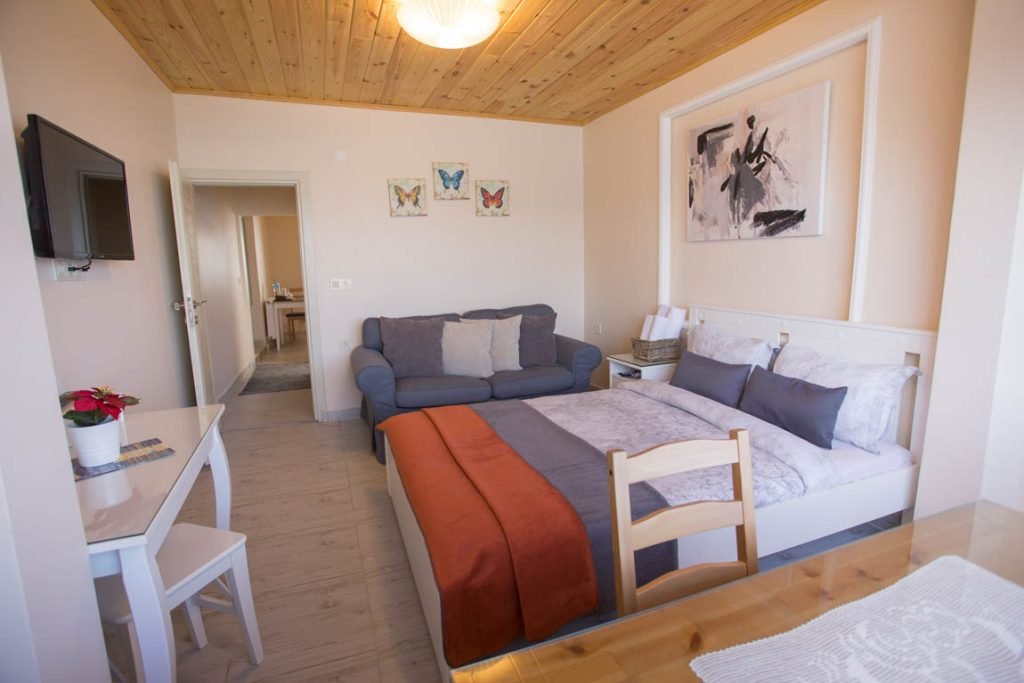
    • 1 coin was found. Dated to the 7th-8th century.
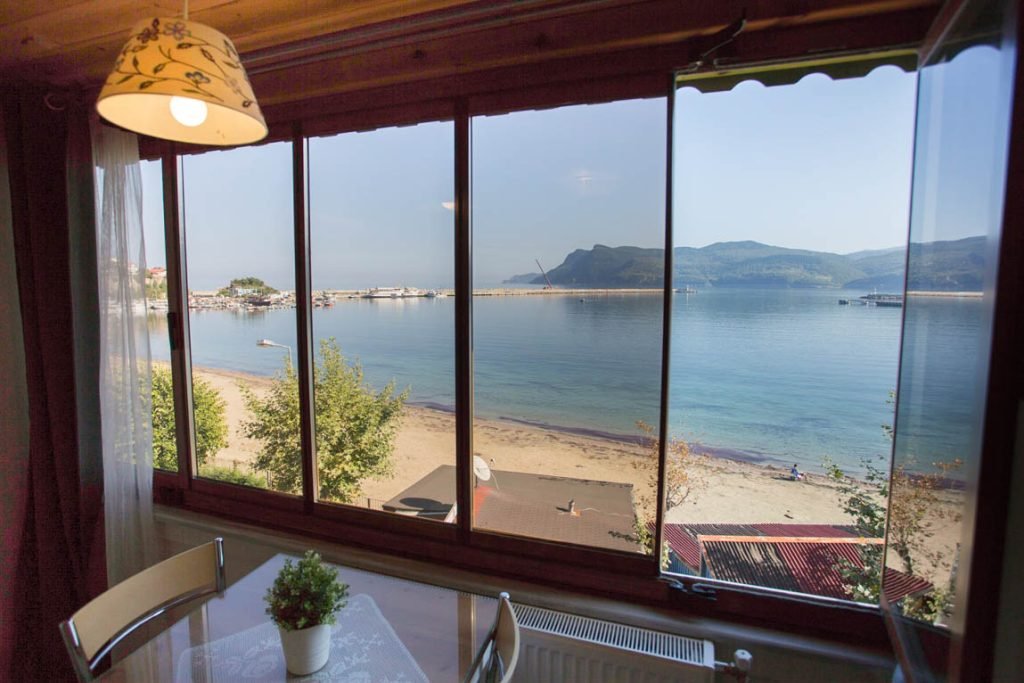
  6. Acropolis of Kimistene

    • It is a settlement area on the mountain ridge west of Eskipazar, which served as a castle / fortress.
    • The surveys here yielded 1 coin (11th century).

Coin Catalog (Summary)

  1. Justin I (518-527): Copper alloy half follis, Constantinople mint.
  2. Justinian I (527-565): Follis (dating: 547/548), Constantinople.
  3. Justinian I (527-565): Follis, Constantinople.
    4.-10. Heraclius (610-641): Most follis or half-follis; mainly from the Constantinople mint.
  4. Constans II (641-668): Follis, Constantinople.
  5. Constantine IV (668-685): Deanummium, Constantinople.
  6. Justinian II (685-695) or recent history: Very worn, little distinctive information.
  7. Leo III (717-741): Silver millennium, Constantinople.
    15.-17. Anonymous folles (10th-11th century): The "Christ depicted" types, which became especially common during the reigns of Basil I and Basil II, are referred to as Class A2 and Class B.
  8. Constantine X and Eudocia (1059-1067): Follis, depicting the emperor and empress.
  9. Romanos IV (1068-1071): Follis, Constantinople mint.
    20.-21. Unidentified: Very worn or overprinted. No precise dating can be made.

Significance and Evaluation of Hadrianoupolis Finds

Despite the small number of coins, these Byzantine coins from Hadrianoupolis allow some important conclusions to be drawn:

  1. 6th-7th Century Vitality

    • Coins from the domus and the baths suggest that there was intense economic or military activity in the city in the 6th and 7th centuries. The abundant ceramic and glass finds dating to the same period also confirm this.
  2. Continuity in the 8th Century

    • The discovery of a coin from the first half of the 8th century in Basilica A indicates that the city remained active, at least in the religious sphere, until these dates.
  3. Gap (8th-9th century) and Middle Byzantine Period

    • After the 660s, there is a drastic decline in coinage, but in the late 10th - early 11th centuries there is a renewed circulation (especially of anonymous folles).
    • The 8th-9th centuries saw a general coinage contraction, a common phenomenon across much of Anatolia. This may be related to Arab incursions and changes in the administrative/military structure of the empire.
      1. From the mid-century onwards, outposts or fortifications were established in high places such as Kimistene, suggesting that settlement was dispersed but partial.
  4. Mint and Balance of Need

    • The fact that all of the coins are from the Constantinople mint reveals that this region (Honorias/Paphlagonia) had a coin circulation fed almost entirely by the capital's mint.
  5. Regional Comparisons

    • Other excavation sites in Paphlagonia, such as Pompeiopolis and Tion (Tios), yielded similar coin finds. Generally, there is a strong coin circulation in the 7th century, followed by a lull in the 8th-9th century.

In conclusion, Hadrianoupolis was an important center in Late Antiquity and the Early Byzantine Period, but was largely abandoned by the mid-8th century and showed limited signs of revival in the Middle Byzantine Period (10th-11th century). This situation is similar to the rest of Paphlagonia.


PROMINENT VALUES ABOUT AMASRA

The article analyzes the Byzantine coins found in Hadrianoupolis and its environs. Amasra Museumand all of them are preserved in Amasra today. On this occasion, we can summarize the prominent values of Amasra and its museum as follows:

Protection of Archaeological Assets

    • The 21 Byzantine coins collected in and around Hadrianoupolis between 2005-2008 are kept and exhibited in the Amasra Museum. This shows that Amasra is a center where important artifacts found in the nearby geography (Bartın, Karabük, Kastamonu, etc.) are preserved and presented to the scientific world.

Historical Continuity of Black Sea Coastal Cities

    • Amasra has a deep-rooted historical past from Antiquity to Byzantium and the Ottoman Empire. The fact that coins from the region (Paphlagonia and Honorias) have been brought to the Amasra Museum shows that the city continues to be an important coastal-administrative center throughout history (as a museum and cultural center).

The Importance of Museum Collections

    • The collections in the Amasra Museum are of great importance as they bring together finds from excavations and surveys in the surrounding area. As mentioned in the article, the collection of Byzantine coins dating between the 6th and 11th centuries makes Amasra valuable for both academic research and tourism.

Regional Historical and Cultural Tourism

    • The preservation of artifacts or coins from inland settlements such as Hadrianoupolis in coastal centers such as Amasra is also of interest for Black Sea tourism. These coins show visitors to Amasra not only the local history but also the historical richness of the hinterland.

Continuity and Cooperation in Work

    • The artifacts mentioned in the article are the result of scientific studies supported by Dokuz Eylül University and other international institutions. This cooperation supports the national and international recognition of Amasra.

Conclusion

Coin finds from the Byzantine ruins at Hadrianoupolis reveal how intensively the countryside of southwestern Paphlagonia was inhabited between the 6th and 7th centuries, and that this occupation was largely interrupted in the 8th century. In the late 10th and early 11th centuries, a limited revival is noted. All these coins are preserved today in the Amasra Museum. This clearly shows how Amasra was an important center for regional history and archaeology. Not only does Amasra represent a focal point where Byzantine coins are preserved and made available to researchers, it is also a city of high value for cultural-historical tourism on the Black Sea coast.

Differences between Amasra and Amasya

Amasra Kruvuziyer

Although Amasra and Amasya have similar names, they are both important settlements located in different geographical regions of Turkey and have their own historical, natural and cultural characteristics. These two beautiful cities/districts offer different experiences for visitors with different expectations. Below you can find a detailed comparison of Amasra and Amasya:


1. Location and Geography

Amasra:

    • Location: It is a district of Bartın province. It is located in the Western Black Sea Region, on the Black Sea coast.
    • Geographical Features: It has the atmosphere of a fishing town built on the coastline. Sea, beach and green nature are together. It is surrounded by forested areas.
    • Climate: It has the characteristic features of the Black Sea climate; summers are mild, winters are rainy and cool.

      Amasya:

      • Location: It is a province located on the Yeşilırmak Valley in the Central Black Sea Region. It is neighboring provinces such as Samsun, Tokat and Çorum.
      • Geographical Features: It is not by the sea; it is characterized by mountainous terrain and the Yeşilırmak River running through the valley.
      • Climate: Due to its proximity to the interior, the effects of the continental climate can be seen rather than the Black Sea. Summers can be hot, winters cold and snowy.

2. History and Cultural Heritage

Amasra:

    • Date: Its history dates back to Antiquity (formerly Sesamos). It was an important port city during the Genoese, Byzantine and Ottoman periods.
    • Important Historical Buildings:
      • Amasra Castle (Genoese and Byzantine ruins)
      • Kemere Bridge
      • Old bazaars, wooden houses
    • Cultural Wealth: Coastal culture is centered around fishing and tourism.

      Amasya:

      • Date: Starting from the Hittites, it was an important center during the Roman, Byzantine and Ottoman Empires. During the Ottoman period, it was known as the "City of Princes"; many Ottoman princes served as governors here.
      • Important Historical Buildings:
        • King Rock Tombs on Mount Harşena (Pontic period)
        • Amasya Castle (Harşena Castle)
        • Historical yalıboyu houses by Yeşilırmak
        • Madrasahs, mosques (such as the Sultan Bayezid Mosque)
      • Cultural Wealth: The title "City of Princes", Ottoman architecture, traditional mansions, folk tales (e.g. the legend of Ferhat and Shirin) reflect a rich historical fabric.

3. Tourism and Attractions

  • Amasra:

    • Nature and Landscape: The Black Sea coast is famous for its panoramic views. Especially the viewpoints, the hills and the castle surroundings are ideal for those who like to take photos.
    • Beach and Swimming: Amasra's small but popular beaches attract tourists in summer. Boat tours and fish restaurants are very popular.
    • Cultural Activities: You can take a walk in the streets of Old Amasra, stop by fish-bread restaurants and visit souvenir shops.
    • Touristic Feature: Mostly preferred for short vacations, weekend getaways and summer tourism-oriented visits.
  • Amasya:

    • Exploring the Historical Texture: It has a special atmosphere with its historical yalıboyu houses, King Rock Tombs and old Ottoman architecture lined up along Yeşilırmak, which runs through the city center.
    • Nature Trips: There are mountains and hiking areas surrounding the city. It is quite enjoyable to climb Mount Harşena where the castle is located and watch the city view.
    • Museums and Cultural Events: You can visit historical sites such as Amasya Museum and Hazeranlar Mansion. It is also possible to attend traditional festivals and local events.
    • Apples and Gastronomy: When you think of Amasya, the famous Amasya apple comes to mind. Local dishes and fruits in the city are attractive for gastronomy enthusiasts.

4. Economy and Livelihoods

  • Amasra:

    • Fishing and Tourism: The economy of the district is largely based on fishing and tourism. Especially in the summer months, the interest of local and foreign tourists revitalizes the economy.
    • Mining Operations: Although coal mining is important in Bartın, Amasra region is also known to have mining activities.
  • Amasya:

    • Agricultural Production: Fruit such as apples, peaches and cherries are produced in the fertile lands of Yeşilırmak Valley.
    • Industry and Services: In recent years, industry has started to develop and the service sector has gained importance alongside agriculture and tourism.
    • Tourism: Historical and cultural heritage makes Amasya a year-round destination.

5. Population and City Structure

  • Amasra:

    • Population: Amasra's population is less because it is a small district. During touristic periods, especially in the summer months, the population increases with the guests.
    • City Structure: Narrow streets running parallel to the seashore, the old residential texture is concentrated around the small fishing harbor and the historical castle.
  • Amasya:

    • Population: Amasya is a province and its central population is much higher than Amasra.
    • City Structure: It has a large residential area. Historical areas and modern buildings are intertwined. Houses and bridges lined up on the banks of Yeşilırmak give the city a distinct silhouette.

6. Travel and Accommodation

  • Amasra:

    • Accommodation options are generally boutique hotels, hostels and small businesses. Reservations may be required during the summer months.
    • Boat tours, bay trips and fish restaurants are among the most popular activities of the holiday.
  • Amasya:

    • It offers a wider range of accommodation (hotels, guesthouses, apartments).
    • Long or short-term travel programs can be made for both cultural tourism and nature tourism.
    • Tourist destinations such as the Şehzadeler Road, King Rock Tombs and Ferhat and Şirin Water Channels are of great interest.

Conclusion and Summary

  • Amasrais a small and charming tourist town on the Black Sea coast. sea tourism, fish restaurants, coastal and nature landscapes is known for. It is a popular stop especially for weekend getaways and summer vacations.

  • Amasya is a Black Sea coastal city with a rich historical and cultural texture. King Rock Tombs, Sehzadeler Road, Ottoman mansions And Amasya apple is known for. The historic houses and the mountain scenery around the Yeşilırmak river that flows through it attract photographers and culture enthusiasts.

Those who want to visit these two places can choose according to their travel purposes:

  • Witnessing history and culture up close Amasya if you want;
  • Enjoying the sea, beach and fish If you are looking for a short getaway, Amasra is more suitable for you.

Both cities have their own unique beauty and offer different experiences. Visiting both Amasra and Amasya is a great opportunity to get to know Turkey's richness of history, nature and culture.

What to eat in Safranbolu?

North Cafe Restaurant Safranbolu Amasra

Safranbolu is a remarkable destination not only for its historical houses and natural beauties, but also for its rich and unique cuisine. Safranbolu flavors, which bear the traces of Ottoman cuisine, blend with local ingredients and a special spice like saffron, leaving unforgettable flavors on the palate. Here is a detailed answer to the question of what to eat in Safranbolu:

1. Saffron Turkish Delight

  • What is it?: One of the most famous desserts of Safranbolu, this Turkish delight is prepared with the aroma of the saffron plant. It has a lighter and more elegant flavor than the classic Turkish delight.
  • Where to Eat?: You can buy it fresh from the Turkish delight shops in the Old Bazaar. Especially Imren Turkish Delights or Safranbolu Turkish Delight well-established shops are recommended.
  • Recommendation: Try the saffron, hazelnut or walnut varieties. You can also buy them in gift packages.

2. Peruhi (Peruhi Manti)

  • What is it?: A type of ravioli unique to Safranbolu. It is prepared by placing feta cheese or minced meat into the thinly rolled dough and served with yogurt and butter sauce.
  • Where to Eat?: Tasev Art and Wine House or local restaurants offer this flavor in an authentic way.
  • Recommendation: Make sure the yogurt is plenty and the butter is hot; this completes the flavor.

3. Bending (Pancake)

  • What is it?: Phyllo stuffed with spinach, minced meat or cheese, cooked on a sheet pan and served rolled up. It is preferred for breakfast or as a snack.
  • Where to Eat?: Small artisan restaurants in the bazaar or Safranbolu Table places like this are ideal.
  • Recommendation: Perfect with a side of fresh buttermilk.

4. Saffron Zerde

  • What is it?: Saffron, rice, sugar And Rose with water made light One sweet. Ottoman from the kitchen legacy remaining this flavor, usually Special days is prepared.
  • Where to Eat?: Arslanlar Mansion or Kadıoğlu Şehzade Table like in restaurants you can taste it.
  • Recommendation: On it bird grape or cinnamon serp

What to Eat in Amasra?

Amasra Breakfast Places - 5 Best Places

amasra-nursen-hanim-yeri-11

Enjoying Breakfast and Fish in Amasra: 5 Recommended Places

Türkan Hanım's Place

    • Short Description: It is a breakfast place that stands out with its location right next to the Amasra Museum and close to the beach. It is one of the favorites of local tourists thanks to its fresh and economical mixed breakfast.
    • Location: Around Amasra Museum, central location (right next to the museum).

Nursen's Place

    • Short Description: A fish and breakfast restaurant located on the seafront of Büyük Liman. You can try the fresh fish varieties on the menu while enjoying your breakfast in front of the beach.
    • Location: Büyük Liman Beach, Amasra center.

Turgut Reis Cafe

    • Short Description: It offers a quiet respite with coffee and snack options throughout the day. It is a café with a sea view, frequented by those walking along the coast.
    • Location: Near the central coastline of Amasra.

Amasra Table

    • Short Description: A restaurant where you can try traditional Turkish dishes with a wide menu. It is especially ideal for those looking for local flavors and home cooking.
    • Location: In the center of Amasra, on the main street.

Uncle Mustafa's Place Live Fish Restaurant

    • Short Description: A place that offers fresh products for fish and seafood lovers. With its seafront location and spacious terrace, you can have a pleasant meal accompanied by the view.
    • Location: Amasra coastline, close to the harbor.

These five places offer beautiful alternatives to enjoy your visit to Amasra. Located in the center of the city or near the beach, these establishments are ideal for you to take delicious breaks while exploring the natural and historical texture of Amasra.

Mrs. Türkan's Place

turkan-hanimin-yeri (2)

Located right next to the Amasra Museum Türkan Hanım's PlaceIt is a quiet and pleasant breakfast place where you can enjoy the spacious atmosphere of the coast and the smell of the sea.

Newish

Yenice Seker Kanyolnu — Amasra
Sugar Canyon restaurant and Wooden suspension bridge

Karabuk Yenice: An Escape in the Heart of Nature

Yenice, one of the peaceful districts of Karabük, is home to the most spectacular natural beauties of the Western Black Sea. If you want to get away from the chaos of city life, fill your lungs with fresh air and explore every shade of green, Yenice is the destination for you. In this blog post, I will discuss in detail why you should visit Yenice, where you can visit, the distance to Amasra and Safranbolu, and the businesses in the region.

Why go to Yenice?

Yenice is a paradise for nature lovers. The biggest treasure of the district is one of the richest forest ecosystems in Turkey. Yenice Forests. These forests have been selected by the World Wide Fund for Nature (WWF) as one of the 100 areas in Europe that need to be protected. Lush green trees, endemic plant species, waterfalls and a serene atmosphere... Yenice attracts not only with its landscapes but also with activities such as trekking, camping and nature sports. This is an ideal place to both rest your soul and experience moments full of adventure.

In addition, the calmness and natural texture of Yenice is perfect for those looking for a vacation away from the crowds. The region offers an authentic experience as it has not yet become an overly touristic place. Not to mention the friendliness of the locals and the local flavors!

Places to visit in Yenice

When you come to Yenice, there are a few special spots you should definitely visit. Here are the highlights:

  1. Yenice Forests
    These forests, the trademark of Yenice, are a great area for trekking and camping. You can discover endemic plant species in the Arboretum section, and spend a peaceful day accompanied by waterfalls and birdsong. The riot of colors of the trees in autumn fascinates photography enthusiasts.
  2. Sugar Canyon
    Located on the highway between Yenice and Karabük, Şeker Canyon is a popular destination for nature sports enthusiasts. Ideal for activities such as canyoning, trekking and cycling, this canyon also draws attention with its stunning views. The canyon's cool air and impressive rocks make it worth seeing.
  3. Eğriova Pond
    Located close to the Yenice Forests, this artificial pond is situated on one of the highest hills of the Western Black Sea. A popular place for fishermen, the pond offers a peaceful picnic area with the natural beauties around it. It is a great option for relaxing with its silence and view.
  4. Yenice Observation Deck
    Located at one of the most dominant points of the district, this terrace offers a magnificent view of Yenice City Forests. Equipped with cafes, resting areas and picnic places, this area is a perfect stop to watch both nature and the district.
  5. Çitdere Nature Reserve
    Located within the borders of Yenice, this area stands out with its rich plant and animal diversity. Put under protection in 1987, the region is a treasure waiting to be discovered for nature lovers.

Distances to Amasra and Safranbolu

Yenice is also very close to other popular destinations in Karabük. This gives you the opportunity to discover other beauties in the surrounding area when you visit here.

  • Yenice - Amasra: You can reach Amasra, which is about 90 kilometers away, in 1.5 hours by car. Amasra is a charming coastal town known as the pearl of the Black Sea. Famous for its historical castle, sea and fish restaurants, this place is ideal for those who want to complement the natural peace of Yenice with the sea.
  • Yenice - Safranbolu: Safranbolu is about 35 kilometers from Yenice and can be reached in 40-45 minutes by car. Safranbolu, which is on the UNESCO World Heritage List, is a must-see place with its historical houses, narrow streets and authentic atmosphere. You can add this place to your sightseeing route with a short journey from Yenice.

Enterprises in the Region

Yenice is a region where tourism is only just developing, so the choice of businesses is limited, but friendly and of good quality. Here are a few of the more prominent ones:

  • Accommodation: There are usually hostels and small hotels in Yenice. There are also camping areas around Yenice Forests. If you want an experience in touch with nature, bungalow houses or you can consider tent camping options. There are also a few facilities offering accommodation near Yenice Viewing Terrace.
  • Food and Drink: There are small restaurants and cafes serving local delicacies. Meat dishes, corn bread and jams made from forest products are very popular in Yenice. There are areas around Şeker Canyon where you can have a picnic, and the restaurants in the center of Yenice offer affordable and delicious options. You can take a tea or coffee break at the café at Yenice Viewing Terrace.
  • Other Businesses: If you want to buy souvenirs, there are several shops in Yenice selling handmade products. There are also local businesses offering equipment rental services for trekking or camping.

How far is Yenice from Amasra?

The distance between Amasra and Yenice is 99km and approximately 2 hours away. The road is on asphalt and surrounded by lush forests.

Last Words

Yenice is a hidden gem of Karabük. It is the perfect place for those who want to spend a peaceful vacation in the lap of nature, adventure on trekking routes or just enjoy the fresh air. Its proximity to Amasra and Safranbolu enriches your vacation even more. If you are thinking of turning your route to the Western Black Sea, be sure to add Yenice to your list. An unforgettable experience alone with nature awaits you!

KAYRA Black Sea Yacht Rally

Kayra Yat Rallisi — Amasra

KAYRA Black Sea Yacht Rally: Discover the Unique Beauties of the Black Sea

KAYRA Black Sea Yacht Rallyis an international nautical organization organized to promote the Black Sea coast and develop sailing and yacht tourism. In addition to the intensive yacht rally activities of the Aegean and Mediterranean regions, it is aimed to explore the Black Sea coast and bring it to tourism. This event allows yachts from different countries to visit different ports and bays of the Black Sea.

History of KAYRA Black Sea Yacht Rally

1996
Preparatory work began at Ataköy Marina Yacht Club. The main aim was to break the perception of the Black Sea as a "difficult sea" and prove that it is suitable for yacht tourism.

1997
The first official Black Sea Yacht Rally was organized under the name "KAYRA". Setting off from Istanbul, 30 boats toured the Black Sea coasts for 2 months with participants from 10 different countries. Samsun stage Samsun Sailing Club was an important stop.

1998 - 1999
There were more professional organizations. With the support of then President Süleyman Demirel, many international participants, especially from Bulgaria and Ukraine, took part. The route started from Istanbul Danube River Europe and offered alternative routes for seafarers.

The Early 2000s and the Breaks
Some years in the 2000s, smaller rallies were organized. During this period, infrastructure and preparations were at the forefront.

2004
There was a big comeback. 54 boats and new guest countries participated in a comprehensive rally. The route started from Istanbul; Georgia, Russian Federation, Ukraine, Romania and Bulgaria covered 33 ports in countries such as Ministry of Culture and Tourism The 5-day stopover was made in Samsun with the support of Samsun and the participants had the opportunity to visit many historical and touristic places in Turkey, especially Ankara.

Today
KAYRA Black Sea Yacht Rally, today We are on the Seas Amateur Seafarers Association is carried out by the Black Sea Region. The rallies are organized annually or periodically and offer participants the opportunity to get to know the natural and cultural heritage of the Black Sea.


Purpose and Vision

  • Introducing the Black Sea coast: Bays, harbors and cities are intended to be explored by both local and foreign yachtsmen.
  • Revitalizing tourism: The natural, cultural and historical richness of the region is promoted internationally.
  • Cooperation and maritime culture: Increasing joint projects between Black Sea ports and promoting maritime culture are among the important objectives.

Rally Scope and Route

  • Starting point Istanbul or nearby ports are often chosen as the starting point.
  • Stopping points: Ports such as Sinop, Samsun, Ordu, Giresun, Trabzon, Rize and Hopa come to the fore. Some rallies also reach countries such as Georgia, Russia, Ukraine, Romania and Bulgaria.
  • Overland excursions: During the rallies, land tours can be organized, offering participants the opportunity to see the tourist attractions in the interior of the region.
  • Changing routes: The route may change every year or every event depending on the level of participation and collaboration with local stakeholders.

Participant Profile

  • Local and foreign yachtsmen: Yacht owners or charter yachts from both Turkey and different countries can participate.
  • Professional and amateur sailors: Sailing clubs, travel enthusiasts and marine tourism enthusiasts show great interest in this rally.
  • Different types of boats: Boats of any size and type such as sailboats, motor yachts, etc. can participate in rallies.

Duration and Timing of the Event

  • April-September period: Depending on the weather and sea conditions in the Black Sea, rallies are mostly organized during these months.
  • Tourism season: Midsummer represents the period of highest participation. Dates are planned taking into account the variable weather conditions of the Black Sea.

Activities during the Rally

  1. Welcome and port events: In each port, boats are ceremoniously welcomed by local authorities and the public, and cultural and touristic activities are organized.
  2. Technical seminars and workshops: Participants' knowledge and skills are developed through maritime trainings and workshops.
  3. Cultural excursions: Historical castles, museums and local markets can be visited in the area.
  4. Social activities: Colorful events are organized for the boat crews, such as concerts, local food tastings and dance performances.

Organization and Sponsors

  • Local cooperation: The rally is often run in partnership with municipalities, chambers of commerce, marinas and tourism organizations.
  • Maritime sector: Port authorities, yacht clubs and other maritime organizations play an active role.
  • Sponsor support: Some organizations may involve private companies providing fuel, logistics or material support.

Maritime Safety and Rules

  • Navigation plan and weather forecasts: Participating boats are regularly informed during the organization.
  • Compliance with official rules: Necessary arrangements are made for maritime legislation, security procedures, passport and visa procedures.
  • Emergency coordination: Organizers and local authorities cooperate in rescue and medical support.

Registration, Participation and Preparation

  • Registration procedures: Yacht owners or skippers who will participate in the rally fill in the registration form in advance, pay the participation fee and share their boat details.
  • Technical controls: All technical preparations including boat maintenance, equipment check and insurance procedures are completed.
  • International documents: If the itinerary includes cruises to other countries, necessary documents such as passports and visas are provided in advance.

Tourism and Contribution to the Regional Economy

  • Local income growth: Accommodation, restaurants, shopping and touristic activities are revitalized in port cities.
  • International promotion: Thanks to foreign yachtsmen, the potential of the Black Sea is publicized on a global scale.
  • Infrastructure development: There is an incentive to improve marinas and ports.

Future Developments

  • Increased yacht rallies: As the Black Sea's tourism infrastructure develops, the number of similar organizations will increase.
  • New routes As international participation increases, different entry and exit points, such as the Danube, could also become popular.
  • Cultural interaction: The integration of the people of the region with different cultures and the promotion of Black Sea culture to the world will gain momentum.

Conclusion

KAYRA Black Sea Yacht RallySince 1997, the rally has been promoting the natural and cultural heritage of the Black Sea at the international level by revitalizing yacht tourism. The rally, which was expanded in 1998-1999 and peaked in 2004 with the participation of 54 boats, continues today. We are on the Seas Amateur Seafarers Association It continues with the support of many institutions and organizations.

If you want to discover the untouched bays, historical harbors and rich culture of the Black Sea, KAYRA Black Sea Yacht Rally may be just the event for you. You can easily participate in the rally by following the official announcements of the organizers and the information of local marina and port administrations. This unique sea voyage continues to make significant contributions to both the regional economy and international maritime and tourism cooperation.

Nearest Airports to Amasra

Caycuma Almanya Ucak — Amasra

Amasra, the pearl of the Western Black Sea, attracts thousands of visitors every year with its historical texture, natural beauties and calm atmosphere. However, there is a detail to be considered when planning transportation to Amasra: There is no airport in Amasra. Therefore, those who want to go to the region by air should use the nearest airports. In this article, we will discuss Zonguldak Çaycuma Airport, the closest airport to Amasra, in detail and examine the transportation options to Amasra from here. We will also add the other closest airports as an alternative.

Nearest Airport to Amasra: Zonguldak Caycuma Airport

The nearest airport to Amasra is located in Çaycuma district of Zonguldak province. Zonguldak Caycuma Airport'is. The airport is located approximately 53 kilometers distance, and this distance is averaged according to the mode of transportation. 50 minutes to 1 hour between Istanbul and Zonguldak. Zonguldak Çaycuma Airport serves domestic flights and is frequently preferred especially for visitors coming from Istanbul. Airline companies such as Turkish Airlines and Pegasus organize regular flights here.

Transportation to Amasra from Zonguldak Caycuma Airport

You have several different options to reach Amasra from Zonguldak Çaycuma Airport. Here are detailed transportation alternatives:

1. Transportation by Public Transport

Public transportation is ideal for those looking for a budget-friendly option. However, you may need to transfer:

  • Step 1: Transportation to Caycuma from Airport
    You can take a minibus or taxi from the airport to Çaycuma district center. Although there is no regular shuttle service at the airport, minibuses to Çaycuma are available at the terminal exit. This journey takes about 15-20 minutes.
  • Step 2: Transportation from Caycuma to Bartın
    You can reach Bartın from Caycuma by minibuses departing every half hour. This journey takes about 45 minutes and you arrive at Bartın Bus Terminal.
  • Step 3: Transportation from Bartın to Amasra
    There are buses or minibuses departing from Bartın Bus Station to Amasra every 30 minutes. This last stage takes about 20-25 minutes and you reach the center of Amasra.

Total travel time by public transport, including transfers, approx. 1.5-2 hours between 20-40 TL for each stage. Fees are very affordable, ranging between 20-40 TL for each stage (prices may be updated as of 2025).

2. Transportation by Taxi

Those who want to reach Amasra from the airport in a faster and more comfortable way can choose a taxi. There is a taxi stand at Zonguldak Çaycuma Airport and direct transportation to Amasra is approximately 50 minutes Driving. Taxi fares can vary between 500-700 TL depending on the distance and current tariffs. If you are traveling in a group, this option may be more economical.

3. Car Rental

There are companies offering car rental services at the airport. By renting a car, you can both facilitate transportation from the airport to Amasra and have the freedom to explore the surrounding area during your vacation. Traveling from the airport to Amasra by private car is approximately 50 minutes continues. Car rental fees start from 500 TL per day, depending on the type of vehicle and rental period.

4. Special Transfer Services

Private transfer services are also an option for those looking for comfort and speed. By booking through tour companies operating at the airport or online platforms, you can arrange a car that will take you directly from the airport to Amasra. The cost of this service may be slightly higher than a taxi (around 700-1000 TL), but it offers an advantageous option especially for large groups.

3 Airports Nearest to Amasra (Note)

Zonguldak Çaycuma Airport is the closest option to Amasra, but you can also consider alternative airports. Here are the 3 closest airports to Amasra and their distances:

  1. Zonguldak Caycuma Airport
    • Distance 53 km
    • Transportation Time: Approx. 50 minutes (by private car)
    • Detail: It serves domestic flights. There are frequent flights from Istanbul.
  2. Kastamonu Airport
    • Distance 120 km
    • Transportation Time: Approx. 2 hours (by private car)
    • Detail: Open to domestic flights. It is possible to reach Amasra from Kastamonu by car rental or bus. However, since the distance is longer, it can be considered as the second option.
  3. Ankara Esenboga Airport
    • Distance 310 km
    • Transportation Time: Approx. 4.5 hours (by private car)
    • Detail: One of the largest airports in Turkey. There are international and domestic flights. You can get from Ankara to Amasra by bus or car rental, but it is less preferred due to the distance.

Tips for Getting to Amasra

  • Weather Weather conditions in the Black Sea Region can be variable. Check the road conditions, especially in winter.
  • Season Planning: Summer months are busy in terms of tourism in Amasra. You can take advantage by planning your flight ticket and transportation options in advance.
  • Early Booking: By booking early for taxi, transfer or car rental services, you can guarantee a place and get affordable prices.

Zonguldak Airport – Amasra Bartin Map

 It takes approximately 1 hour from Zonguldak Çaycuma Airport to Amasra (with your private vehicle).

Zonguldak Airport Photos

zonguldak-airport saltukova-airport caycuma-airport caycuma-germany-plane germany-zonguldak-plane bartin-airport

Bartin Amasra Journey from Kastamonu Airport

It takes approximately 3.5 hours. If you wish, you can choose the East route by renting a car from Kastamonu, and you can choose Kurucaşile, Demokratos Bay, Gölderesi Waterfall.

Kastamonu Airport Photos

ksatamonu-airport-black sea ksatamonu-airport-black sea-9 ksatamonu-airport-black sea-5

Conclusion

The most practical and fastest option for those who want to reach Amasra by air is Zonguldak Çaycuma Airport. You can easily reach Amasra from the airport by public transportation, taxi, car rental or private transfer. Alternatively, Kastamonu and Ankara Esenboğa airports can also be considered, but Zonguldak Çaycuma Airport is far ahead in terms of distance and time. Start planning your journey to discover the unique nature and history of Amasra now!

This guide will help you with transportation for your Amasra holiday. Don't forget to leave a comment if you have any questions. We wish you a pleasant trip!

There are 2 different options to reach Amasra by air, the first one and the shortest one. Zonguldak Caycuma Airportis . the second one Kastamonu Airportis .


Akcakoca (Duzce)

Akcakoca Kocan Otel — Amasra

akcakoca-map

Akçakoca: Hidden Paradise of the Black Sea

Akçakoca, one of the most popular vacation spots in the Western Black Sea, draws attention with its natural beauties and historical texture as a district of Düzce province. This charming town, where the blue of the sea meets the green of the forests, is frequented by local and foreign tourists, especially in the summer months. While Akçakoca offers a peaceful atmosphere for those looking for a quiet vacation, it also has many treasures to discover for nature sports and history enthusiasts. In this blog post, I will discuss in detail why you should visit Akçakoca, the places to visit, why you should go and the businesses in the region. At the end of the post, I will add the distance between Amasra and Akçakoca from Google Maps.

Why Go to Akçakoca?

Akçakoca, Karadeniz’in en temiz plajlarına sahip olmasıyla ünlü. Mavi bayraklı plajları, siyah inci taneli kumsalları ve berrak deniziyle yaz tatili için ideal bir seçenek. Ancak Akçakoca’yı yalnızca bir yaz destinasyonu olarak görmek haksızlık olur. İlçenin %40’ına yakını ormanlarla kaplı ve bu ormanlar kayın, kestane, meşe, ıhlamur gibi ağaçlarla dolu. Bu da temiz hava ve doğayla iç içe bir tatil vaat ediyor. Özellikle sonbaharda, yaprakların renk cümbüşü adeta bir görsel şölen sunuyor.

Akçakoca, which has a rich historical background, is named after Akçakoca Bey, who played an important role in the foundation of the Ottoman Empire. Genoese fortresses, Ottoman architecture and an atmosphere blended with natural beauty make it worth exploring. Its proximity to big cities like Istanbul and Ankara (243 km to Istanbul and 275 km to Ankara) makes Akçakoca an attractive destination for weekend getaways. For those who want to swim in the sea and find peace in nature, this is the perfect balance point.

Places to Visit in Akcakoca

Although Akçakoca is a compact district, it is very rich in terms of places to visit. Here are the points you should definitely see:

  1. Genoese Castle
    This castle, the symbol of Akçakoca, was built by the Genoese between the 11th and 15th centuries. The castle, which is on the UNESCO World Heritage Tentative List, is fascinating both with its history and its view. You can swim in the blue flag beach around the castle and have a picnic in the shade of the castle. Especially at sunset, this place offers a unique beauty.
  2. Fakıllı Cave
    Located in Fakıllı Village, 8 km from Akçakoca, this cave has a length of 1,017 meters, but the part open to visitors is 350 meters. Filled with stalactites and stalagmites, the cave's air is believed to be good for asthma and shortness of breath. There are also picnic areas around it, so you can spend a day in touch with nature.
  3. Aydinpinar Waterfalls
    Located 10 km from the center, this natural wonder consists of five waterfalls in a row. Moderately difficult hiking trails, the cool waters of the waterfalls and the surrounding greenery make it an ideal spot for trekking and photography. May, August and September are the best months to visit.
  4. Çuhallı Beach
    Çuhallı, one of the most popular beaches of Akçakoca, has a blue flag award. The promenade along the beach is surrounded by cafes and restaurants. With its clean sandy beach and calm sea, it is a great place for both swimming and sunbathing. In the summer evenings, you can have pleasant moments with music in the bars on the beach.
  5. Kurugol Canyon
    Located in Kurugöl Village, 14 km from the center, this canyon is indispensable for nature lovers. Suitable for activities such as trekking, photo-safari and rock climbing, the canyon offers a visual feast with its impressive views. There are options for those who like challenging trails and those with easy passages.
  6. Akcakoca Central Mosque
    This mosque, which attracts attention with its modern architecture, started to be built in 1989 and was completed in 2004. Inspired by Seljuk hair tents, its design is one of the buildings worth seeing in the district. It deserves attention both in terms of worship and architecture.
  7. Historic Neighborhood Houses
    These houses, one of the oldest settlements of Akçakoca, exhibit simple yet elegant examples of Ottoman architecture. This area, consisting of 160 houses in total, is under protection by the Ministry of Culture and Tourism. Wandering among the one-story, two-story and high-ceilinged houses is like a short journey into the past.
  8. Akçakoca Bey Monument
    This monument, built to commemorate Akçakoca Bey, who made important contributions to the foundation of the Ottoman Empire, is one of the symbols of the district. It is a meaningful stop for those who want to follow the traces of a historical figure.

Enterprises in the Region

Although Akçakoca is a touristic town, it has not yet become overcrowded and commercialized. This gives the businesses a more intimate and local feel. Here are the types of businesses that stand out:

  • Accommodation: Ataturk Street on the coastline is generally preferred for accommodation in Akçakoca. Akcakoca Bayraktar Hotel, Diapolis Hotel, Turkuaz Hotel 4-star facilities stand out in terms of cleanliness and comfort. For those who want to stay in nature, those that are a little further away from the city center Wolfgarden Hotel There are options such as. For camping lovers, there are areas around Ceneviz Castle and Kurugöl Canyon.
  • Food and Drink: Being in the Black Sea, fish restaurants are a must. Anchovy Fish Restaurant, Akcakoca Pier Fish And Anchor RestaurantIt is famous for its fresh fish and appetizers. For breakfast, you can find a mixed breakfast at the beachside establishments, but it is worth checking whether your hotel includes breakfast. Local delicacies include pita with mancar, melengücücceği dessert And sooty fish must be tried. Hazelnuts can be bought both for eating and as a souvenir.
  • Other Businesses: There are small businesses on the beaches offering sun lounger and umbrella rental services. Also, souvenir shops sell local handicrafts and nut products. There are also a few places offering equipment rental for outdoor sports.

What to Eat in Akcakoca?

Akçakoca's cuisine reflects the richness of the Black Sea. Seafood is predominant in the menus. anchovy, whiting And kidney bean fish are served with different cooking techniques. Mancar pitais one of the geographically marked flavors of the region and must be tasted. For dessert melengücücceği dessertis a light and local option. Also, Akçakoca's hazelnuts are famous; you can buy roasted hazelnuts or hazelnut paste as a gift for your loved ones. Chestnut honey is also one of the special products of the region.

Last Words

Akçakoca is a unique destination for those who want to enjoy both the sea and nature. With its historical texture, clean beaches and peaceful atmosphere, it is the perfect place for those who want to escape from big cities and take a short break. You can swim in its cool waters in summer, walk in its forests in spring and fall, and discover a different beauty in every season. If you are ever in Akçakoca, do not return without visiting the places on this list!

Distance Amasra - Akcakoca

According to Google Maps, The distance between Amasra and Akçakoca is approximately 111 kilometersis. This distance by car, depending on the traffic situation, is on average 1 hour 45 minutes continues. The road offers a pleasant route following the Black Sea coastline. Don't forget to check Google Maps for current traffic and road conditions!

Boxwood and Amasra: Its History, Importance and Products

Amasra Hediyelik Esya
Souvenirs you can buy from Amasra. Boxwood honey spoon

Located on the Black Sea coast of Türkiye, Amasra is a coastal town famous for its natural beauty, historical texture and handicrafts. One of the elements that makes Amasra different is the local boxwood (Buxus sempervirens) and products obtained from this tree. Boxwood, which has been used for many years in both traditional handicrafts and daily life, has attracted attention with its durability and aesthetic appearance. In this article, we will examine the importance of boxwood for Amasra, its place in the historical process and the traditional products produced from it.


The Importance of Amasra in Terms of Boxwood Tree

Souvenirs you can buy from Amasra. boxwood honey spoon

Amasra has a very suitable geography for the growth of boxwood trees thanks to its mild climate and fertile soil. Boxwood is generally a slow-growing, densely textured and hard tree; these features make it ideal for both decorative and functional uses.

  • The Heart of Handicrafts: Spoons, combs and carving products that you can often find in tourist shops in Amasra are some of the best-known examples of boxwood. Thanks to the hardness of the tree texture, it is possible to make fine carvings and the result is quite elegant handicrafts.
  • Quality Raw Material: Boxwood has been used in many areas throughout history due to its high durability and not being easily worn out. This tree, which grows naturally around Amasra, is also valuable in terms of providing a quality raw material source.
  • Touristic Value: For visitors to Amasra, boxwood products are both a souvenir and a unique gift. The sale of these products contributes to the regional economy and plays an important role in the promotion of Amasra handicrafts.

History of Boxwood and Its Importance in Ancient History

Boxwood (Latin name Buxus sempervirens) is a type of tree known and used in Anatolian lands since ancient times. Throughout history, different civilizations have preferred this tree for various purposes due to its hardness and durability:

  1. Daily Item Production: Small-sized kitchen and personal care items such as spoons and combs that people used in their daily lives in ancient times were made of boxwood. Thanks to its hard structure, these items did not wear out quickly and were able to maintain their form for many years.
  2. Musical Instruments: Boxwood has been used in the parts of some string or wind musical instruments because of its dense and dense texture, sound quality and timbre. In history, it is possible to come across boxwood in the body or neck parts of instruments such as oud and lute.
  3. Ornaments and CarvingBoxwood, which has been the focus of artists for centuries, also has an important place in carving. Although the processing of finely detailed motifs is laborious due to the hard structure of boxwood, the result is very durable works of high artistic value.
  4. Historical High Value: In ancient times, especially in palace circles, combs and similar accessories made of boxwood were a sign of prestige. Being considered a strong and showy tree, boxwood became a status symbol for royals.

Products Made from Boxwood

1. Kitchen Accessories

  • Boxwood SpoonsBoxwood spoons, which you will find in many shops in Amasra, are known for being durable and healthy. Being resistant to high heat also makes it easier to use in the kitchen.
  • Boxwood Cleaver Handles and Knife HandlesThe non-slip and comfortable grip surface of the tree supports its use as a handle for kitchen tools.

2. Personal Care and Beauty Products

  • CombsBoxwood combs, which reduce the frizz of the hair and can be used for a long time with their durable structure, are a popular option especially for those looking for natural materials.
  • Brush Handles: It is frequently preferred for brush handles with its natural texture and elegant appearance.

3. Decorative Objects and Gift Items

  • Carving Art Products: The hard texture of boxwood is a challenging material for finely detailed work, but the results are impressive. For this reason, decorative products such as vases, small statues and figurines are made by carving masters.
  • Jewelry and AccessoriesBoxwood pieces, which can be used in jewelry such as earrings, bracelets or necklaces, appeal to those who love natural and wooden looks.

Latin name for boxwood Buxus sempervirens It is in the form of.


Conclusion

Amasra, besides its natural beauties and historical richness, to the boxwood tree It is a Black Sea pearl that also stands out with its handicrafts based on wood. Boxwood, which grows slowly and has a hard texture, has been a preferred raw material for centuries to obtain long-lasting, durable and aesthetic products.

Throughout history, everyday objects, musical instruments, ornaments and even the prestigious accessories of the court have been made from boxwood. Today, in the touristic bazaars of Amasra, you can witness firsthand how boxwood is transformed into valuable works in the hands of masters. If you happen to be in Amasra, by purchasing a spoon or a comb made from boxwood, you will both support the tradition of these masters and touch a handicraft that lives intertwined with history.


incumbent

İnkumu Plajı ve Yerlesim Deseni — Amasra
Inkumu Beach

inkumu-beach-coast-beach

Inkumu Holiday Guide: In Which Season to Go, What to Do? 🌅🏖️

Inkumu is a favorite among holiday lovers with its unique natural beauties, clean sea and peaceful atmosphere. This region, which appeals to both those who want to be in touch with nature and those looking for modern entertainment, offers unforgettable experiences to its visitors in different seasons from May to November. Here is a detailed guide to what you can do and discover on your Inkumu holiday:


🌞 Inkumu Experience by Season

May – November: Nature and Culture Season

  • Sunset & Landscape:
    • You can watch the sunset among the unique beach view and the mountains surrounded by lush vegetation.
  • Nature Walks:
    • The periods of April – June and September – November offer ideal weather conditions for nature walks and photography.
  • Fish & Salad Enjoyment:
    • During this period, you can discover the local cuisine of the region by tasting fresh seafood and delicious salads.

July – August: Summer Season

  • Sea and Sunbathing:
    • During the hot days of summer, the pleasure of swimming and sunbathing in the clear waters of Inkumu reaches its peak.
  • Live Tourism:
    • Restaurants, bars and hotels are crowded with Bartın locals and local and foreign tourists.
  • Entertainment and Socialization:
    • Although it is crowded due to its large beach area, you can easily find a place thanks to its wide structure.

🏨 Accommodation in Inkumu

  • Hotel and Hostel Options:
    • There is a wide range of hotels and hostels to suit different budgets.
    • During the summer season, accommodation prices per person are on average 1000 TL to 5000 TL varies between
  • For Detailed Information:
    • Inkumu Hotels and Price List
    • List of Inkumu Guesthouses

🏊‍♂️ Inkumu Beach: Swimming and Relaxing

  • Features of the Beach:
    • Bartın – İnkumu Beach is one of the most beautiful and longest beaches in the Western Black Sea region.
    • Despite the high crowd, thanks to its large area, the effect of the crowd is felt less than Amasra or Çakraz beaches.
  • Water Quality:
    • The absence of a port and direct contact with the open sea highlight the cleanliness of sea water.

🍽️ Food & Drink

  • Restaurants and Markets:
    • There are fish restaurants around the beach that offer open buffet breakfast and dinner options.
  • Accommodation Facilities:
    • Most accommodations offer full board service, giving guests the opportunity to experience local flavors.
  • Taste Status:
    • Fresh seafood and local flavors will appeal to your palate during your holiday.


🌃 Night Entertainment & Events

  • Summer Season Fun:
    • Sunset Hotel Bar, offers entertainment that lasts until the morning during the summer season and on weekends.
  • Winter and University Parties:
    • During the winter season, there is a lively atmosphere, especially on weekends, with events and university parties.
  • For Detailed Information:
    • Sunset Hotel Incumu Page

🚗 Transportation Guide: How to Get from Amasra to Inkumu?

By Private Vehicle:

  • Travel Duration:
    • From Amasra to Inkumu, approx. 45 minutes driving distance.

By Public Transport:

  • Amasra Travel Buses:
    • You can reach Bartın by bus for 35 TL.
  • Bartin Municipality Services:
    • The fare for a 30-minute journey from Bartın to Inkumu is approximately 20 TL.

Note: The prices indicated are approximate and may change. Please check the communication channels of the relevant transportation companies for current prices.


📸 Photos of Inkumu

The photographs that reveal the unique beauty of Inkumu reflect both its natural texture and the peace offered by the beach. Don't forget to take photos in your holiday plans!


Conclusion

Inkumu is a unique holiday destination where nature and the sea embrace, offering different beauties in different seasons. Whether you enjoy the sea in summer, spring or autumn; Inkumu offers different experiences to its visitors in every season, allowing you to find both relaxation and entertainment together on your holiday.
Come on, pack your bags and open the doors to an unforgettable holiday in the enchanting atmosphere of Inkumu!


Inkumu Beach

İnkumu Plajı — Amasra

Inkumu Beach: The Hidden Paradise of the Black Sea 🌊🏝️

Inkumu Beach is a natural wonder that is 2.5 km long and displays the fascinating harmony of green and blue. This beach, one of the hidden paradise areas of the Black Sea, offers its visitors both peaceful moments in nature and a comfortable experience with modern facilities. Being located only 45 minutes by car from Amasra makes the beach easily accessible.


🗺️ Location & Transportation

  • Driving Distance:
    🚗 45 minutes from Amasra
  • Distance to Center:
    📍 31 km from Amasra center

🏖️ Beach Facilities & Services

  • Entrance fee:
    💸 Free (In the service of the municipality)
  • Dressing Cabin & Shower:
    🚿 Available, but It is paid
  • Sunbed & Umbrella:
    🌞 Free or paid options (depending on the municipality's implementation)
  • Water Cleanliness Level:
    🏊‍♂️ Clean – Medium
  • Food & Drink & Shopping:
    🍽️ Quality restaurants, 🏨 hotels, 🛏️ hostels and 🛍️ markets are available

🏕️ Camping Opportunities

Inkumu Beach also offers an ideal environment for camping lovers.

  • Campground:
    ⛺ Paid camping areas available
  • Tent Rental:
    If you need, tent rental is also available.

📸 Photos & Visual Experience

The photos reflecting the natural beauty and peaceful atmosphere of the beach leave unforgettable memories in the minds of visitors. Don't forget to take photos while exploring this paradise where the blue sea and green meet in the lap of nature!


Conclusion

Inkumu Beach stands out as a hidden paradise that combines the unique nature of the Black Sea with modern facilities. Whether you are on a family vacation or want to have a pleasant time with friends; facilities such as restaurants, hotels, guesthouses and markets on the beach meet all your needs. The beach, which has free entrance, also has options such as changing cabins, showers and camping areas for a fee.
Are you ready to create unforgettable memories in this unique place where nature, sea and peace meet?

Come on, pack your bags and be amazed by the magic of Inkumu Beach!


Safranbolu Photos

Kristal Teras Safranbolu — Amasra

Safranbolu Photos

Karabük, a UNESCO world heritage candidate, stands as a good example in front of the city of Safranbolu, Amasra. Amasra Castle, which was selected for UNESCO world heritage candidacy last year, should follow the path of saffronball… Here are the unique pictures of Safranbolu.

Barış Akarsu – All Tracks and Photos

Baris Akarsu Amasra
The late Amasra singer Barış Akarsu

“The city that smells of earth, the city that smells of sea, the city that smells of love… The streets await you with their magic, with wet tears…”

Barış Akarsu: His Life, His Acting and His Music Albums

Barış Akarsu is one of the valuable artists of Amasra and Bartın region that are remembered. He is known by the masses with his successful performance in both music and acting.

His Life and Traffic Accident

  • Date of birth: June 29, 1979
  • Birthplace: Bartın (It is stated that it is mentioned in the Amasra region)
  • Traffic Accident and Death:
    Barış Akarsu was taken into intensive care as a result of the traffic accident he had in Bodrum on June 29, 2007; unfortunately, he lost his life on July 4, 2007.

Productions He Played In

  • My False Beloved (2006 – 2007):
    Barış Akarsu made an important entrance into his acting career with his performance in this series.
  • Biographical Film Note:
    The story of Barış Akarsu's life and the event held in his memory “Barış Akarsu: Hello” The biographical film, titled "The Artist", brings the artist's life story together with the audience. (Note: The artist did not take part in this film; the film was shot after his death.)

Music Albums

  1. Wet Wet (2004):
    • The first album, consisting mainly of rock songs, played an important role in reaching the artist to a wider audience.
  2. I Need to Run to the Clouds Without Falling (2006):
    • In her second studio album, she blended rock music with pop elements, offering listeners a unique style.

Note: After 2007, after the artist's death, various compilation albums and posthumous works were released to music lovers.


Conclusion

  • Çakraz Holiday Village, offers an unforgettable holiday experience with its natural beauty, historical texture and delicious cuisine.
  • Peace StreamAlthough his life was cut short early, he left an indelible mark on people's memories with his music and acting career.
  • Included in your holiday plans, in addition to the peaceful atmosphere of Çakraz, events or museum visits organized in memory of Barış Akarsu can offer you both a cultural and emotional experience.

Both subjects, with their unique beauties, promise different experiences to their visitors. We wish you enjoyable holidays and days full of memories!

Amasra Piece

Barış Akarsu – Two Strangers…

Wind

You are a stranger here, where did you come from, sit and rest on my bedside... Tell me about blowing... Tell me about blowing...

Barış Akarsu with his naked voice

Ancient Amasra Theater

Amasra Antik Tiyatsosu

AMASRA ANCIENT THEATRE
Amasra, known in ancient times as “Amastris,” is one of the important port cities of the Black Sea coast, having hosted many civilizations throughout history. This ancient city, which stands out especially with its Roman-era works, On the southern slope of Aya Yorgi Hill The ancient theatre located in the city of Çanakkale is one of the most important structures reflecting the rich cultural heritage of the past.


Location and Historical Background

  • LocationIt is located in Kum District of Amasra, on the southern slope of Aya Yorgi Hill.
  • PeriodKnown to date back to the Roman period, the theatre was probably built and used for a long time during the years when the commercial and cultural importance of the region increased.
  • Multi-Layered HistoryThere are many ruins from the Hellenistic, Archaic, Classical, Roman, Byzantine, Genoese, Seljuk and Ottoman periods in Amasra. The ancient theater also attracts attention as a part of this cultural mosaic.

Architectural Features and Capacity

  • Design: Typical elements of Roman theatres cavea (seating area) And scene However, unfortunately these parts have not survived to the present day.
  • Capacity: Approximately 5,000 people It is estimated that it was a seating area. In ancient times, this capacity indicates that shows were held for both the local people of the region and those coming from outside.
  • Remains Extant: Theatre-related remains of the entrance gate It is still visible, but much of the interior has collapsed or been destroyed over time.

Use as a Cemetery and Damages

  • From the 19th Century: Ancient theatre area, post 19th century cemetery It started to be used as.
  • The Years of 1970-1980: During the construction of the Amasra-Bartin highway, the theatre walls were largely has been damagedSome of the stones found or present in the excavations were used in road and pavement works. used by the municipality is known.
  • Current SituationSince the area still functions as a cemetery today, many parts of the ancient structure remain underground or under tombstones.

Location of Amasra Ancient Theater

*****WATCH - only the entrance to the theater is visible, other parts have disappeared or are underground.

Excavation Works and Re-Unearthing Plans

  • Transfer of Graves: In order to re-discover the ancient theatre, first of all, Transfer of graves to another area Administrative and legal procedures such as must be completed.
  • Excavation and Restoration: After obtaining the necessary permits, detailed excavations will be carried out by expert teams and the remains will be restoration is planned to be subject to the process.
  • Tourism Potential: The unearthing of the ancient theater will not only contribute greatly to Amasra's historical tourism, but will also add an important work to Türkiye's cultural heritage.

Importance and Future Hopes

Amasra Ancient Theatre is a valuable structure inherited from the Roman period, as well as bearing the traces of many civilizations. The multi-layered history of AmasraAlthough the destruction caused by the current cemetery and road construction has destroyed most of the original architectural elements of the structure, there are still salvageable remains.

Expert opinion is that the region should be revitalized both archaeologically and touristically through professional excavations. Thanks to these studies, the potential of the ancient theatre will be revealed and a new cultural area will be created where the past and the future meet.

Conclusion: Amasra Ancient Theatre, which once hosted 5,000 people, is a concrete proof of the city's cultural richness dating back to the Roman period. If the current obstacles are overcome and the graves are properly transported, it is expected that the unearthing of the theatre will make a permanent contribution to the historical and touristic value of Amasra.

In-Depth History of Amasra Castle

Entrance

Amasra Castle is a building located in Amasra district of Bartın province on the Black Sea coast and stands out with its thousands of years of history. It is one of the most important historical heritages of the region, both for its defensive use and for the role it played in the commercial and cultural development of the city. The geographical location of the district also made the castle strategic: Amasra is on a sheltered peninsula with two natural bays running in opposite directions. This peninsula consists of Boztepe Island, connected to the mainland by an arch called Kemere Bridge, and the Kaleiçi (Dungeon) area on the mainland. Thanks to its natural harbors, Amasra has been a critical point for maritime trade and military strategy throughout history. As a matter of fact, Fatih Sultan Mehmet admired its beauty when he conquered the city and "Lala Lala, is this the Çeşm-i Cihan?" (Is this the eye of the world?), emphasizing the importance of the castle and the city. In 2013, Amasra Castle was included in the UNESCO World Heritage Tentative List within the scope of the file "Fortresses and Walled Settlements from the Mediterranean to the Black Sea on the Genoese Trade Route", and today it is being evaluated with the aim of preserving and transferring this cultural heritage to the future.

(File:Amasra, Turkey, Castle, view from the island.jpg – Wikimedia Commons) The location of Amasra Castle on the peninsula. The location of the castle created a safe harbor city on the Black Sea with two sheltered harbors extending to the east and west. This strategic geography reinforced the importance of Amasra from ancient times to the Ottoman period. On the peninsula surrounded by the castle, civilian settlements and historical structures integrated with the castle can be seen today. In the photo, the minaret of the Fatih Mosque (which was a church in the 9th century and converted into a mosque after the conquest) on the top of the peninsula can be seen. This situation indicates that the castle was a living space that contained traces of different cultures in addition to its military function.

Historical Process of Amasra Castle

Ancient Period and Roman Empire: It is accepted that the first settlement in the Amasra region dates back to the Sesamos colony established during the Phoenicians in the 12th century BC. This port city, known as Sesamos in ancient times, was even mentioned in the works of Homer. In the 4th century BC, Queen Amastris of Persian origin reigned here and gave her name to the city. Afterwards, Amasra was connected to the Pontus Kingdom in the 3rd century BC and to the Roman Empire in the 1st century BC. It is known that the city was fortified with walls during the Roman period and that Amasra Castle was first built during this period ((PDF) PROTECTION RECOMMENDATIONS FOR AMASRA CASTLE). In fact, some of the large cut stone blocks and Latin inscriptions seen on the castle walls today are the legacy of the Roman period. For example, the name "CEASAR" (Caesar) is engraved on a stone block on the walls to the south of the castle, indicating that a building stone from the Roman Empire period was reused in the castle (File:Amasra Castle Cezar inscription.jpg – Wikimedia CommonsFrom the Roman period onwards, the castle played a central role in the defence of Amasra and the city was surrounded by strong walls.

Byzantine Period: Amasra, which was incorporated into the Eastern Roman (Byzantine) lands in 395 AD after the Roman Empire split into two, continued its military, religious and architectural development, especially between the 7th and 15th centuries. Amasra Castle was expanded and strengthened during the Early Byzantine period; the majority of the castle mass that remains standing today dates to the Early Byzantine period. The large andesite block stones on the southern walls of the Kaleiçi (Dungeon) section were joined with fine white horasan mortar and are a typical example of an early Byzantine wall. During the Byzantine period, Amasra was a military base that protected the region from external attacks, as well as a religious center of bishopric. However, when the threats from the Black Sea increased in the Middle Byzantine period, additional fortifications were built in the castle. Indeed, after the raids carried out by the Russians on the Black Sea coast in the 9th century, new fortification walls were built in the Middle Byzantine period in order to strengthen the defense of the castle. It has been determined that smaller stones and thicker mortar were used in the walls built during this period compared to the Early Byzantine period, and that brick material was also used. Thanks to these fortifications in the Middle Byzantine period, the castle was made more resistant to attacks from both land and sea. However, some structures from the Byzantine period have not survived to the present day; many of the architectural works, especially palaces and churches from the reign of Queen Amastris and the later centuries of Byzantium, have disappeared over time. However, a Byzantine church (known as the Fatih Mosque) built in the 9th century inside the castle, which was later converted into a mosque, has survived to the present day.

Genoese Period: The Republic of Genoa, which increased its influence in the Black Sea with the weakening of Byzantium after the Fourth Crusade in 1204, made Amasra its own colony after the Nymphaion Treaty signed in 1261. From the 14th century onwards Samastro Amasra, known as Amasra, was an important port in the Genoese Black Sea trade network until 1460. During the Genoese period, repairs and additions were made to the castle fortifications, and especially the front (sea-facing) walls and main gates of the castle were strengthened in the 14th and 15th centuries ( AMASRA CASTLE | Culture Portal ). During this period, the Genoese used the castle not only for defense purposes but also as an administrative and trade center. Consuls appointed to Amasra by the Republic of Genoa and officials from the Galata (Pera) colony governed the city, which led to the reflection of Latin influences on social and cultural life. Some of the coats of arms seen on the castle walls today bear traces of this period. For example, there are coats of arms belonging to Genoese noble families and Latin inscriptions at various points of the castle. Among these coats of arms, the “Duke – Genoa – Consul” coats of arms representing the administrators of the Republic of Genoa stand out. During the Genoese period, Amasra was a lively port city dealing with wood, wheat, wine, fabric and slave trade in the Black Sea; thanks to the protection of its geographical location, it became an important stop on the maritime trade route between Istanbul and Crimea. However, with the conquest of Istanbul in 1453 and the transition of Black Sea trade to Ottoman control, Genoese Amasra also experienced its last period.

Ottoman Period and After: Fatih Sultan Mehmet annexed Amasra to the Ottoman lands in 1460, ending the Genoese rule that lasted for nearly two centuries. Since the city surrendered without a fight during the conquest, the castle was not severely damaged, and the Ottomans continued to use the existing walls. By Fatih's order, two large churches in the castle were converted into mosques (one of them is the Fatih Mosque today) and a judge was appointed to the city. In addition, after the conquest of Amasra, the people brought from the interior of Anatolia (especially from Eflani) were settled here, and the Turkish-Islamic population and culture became established in the city. During the Ottoman period, Amasra maintained its administrative importance as a district center of the Bolu Sanjak; however, since the Ottomans took control of the Black Sea trade routes with the conquest of Istanbul, Amasra's role in international trade gradually decreased. Although the castle continued to be used for regional security in these centuries, it did not witness large-scale military conflicts. Thanks to this, the castle walls and structures remained relatively intact for a long time. Travelers who visited Amasra in the 17th and 18th centuries praised the beauty of the city and the castle in their works; the castle walls, which had a "medieval atmosphere", aroused admiration in visitors with the coats of arms and figures on them.

Structures that have survived to the present day: The parts of Amasra Castle that can be seen today are the result of its multi-layered historical process. The castle is located on the Boztepe (island) side. Sormagir Castle, the other on the peninsula Dungeon Castle It consists of two main masses: AMASRA CASTLE | Culture Portal These two masses are connected by the Kemere Bridge, dating from the Roman-Byzantine period (Kemere Bridge – WikipediaThe total length of the castle walls is approximately 1700 meters and some sections have survived completely and some partially ((PDF) PROTECTION RECOMMENDATIONS FOR AMASRA CASTLE). On the Sormagir (Boztepe) side, there are no fortification walls on the north and west sides due to the protection provided by the natural cliffs; on the east and south sides, the six-bastion south line and the five-bastion north line have survived to the present day. Zindan Castle on the peninsula side has a more regular rectangular plan; while the south and east walls are largely intact, the north walls are represented by only the remains of a tower due to sea damage, and the west walls are partially collapsed. Among the surviving parts of the castle, notable structures are the Fatih Mosque (former Byzantine church), the remains of a small chapel, water cisterns, the remains of civil architecture within the walls, and areas where various ancient architectural pieces (column capitals, sarcophagus fragments, etc.) are seen. The current condition of the castle was documented with the works carried out in the 2010s; conservation works were accelerated with the inclusion of Amasra Castle on the UNESCO World Heritage Tentative List in 2013. Today, Amasra Castle stands with all its historical layers extending from the Roman to the Ottoman Empire, and offers visitors an “open-air museum” experience.

Castle Gate and Its Architectural Features

General Architectural Structure: Amasra Castle exhibits an integrated defense system consisting of two structural sections and a bridge connecting these sections. Sormagir Castle on Boztepe Island and Zindan Castle on the peninsula, a single-eyed stone bridge built over the narrow strait between them. Kemere Bridge The Kemere Bridge was founded as a Roman period structure and took its current form in the 9th century during the Byzantine period (Kemere Bridge – WikipediaThe bridge not only provides defensive integrity by structurally connecting two castle parts, but also enables passage between two ports with an arch opening under which boats can pass. The plan of the Boztepe (Sormagir) side is in the shape of a crescent (arc) and there was no need to build walls on the northern and western ends of the island, which are surrounded by steep slopes to the sea. On the southern and eastern sides of the island facing the land, there is a line of walls supported by six semicircular towers. These walls are reinforced with an outer defensive wall called “hisarpeçe” at ground level. The transition point from Boztepe Castle to the main peninsula and “DarkgateThe passage referred to as "The Gate" has double doors, one on the outside and the other on the inside, and is in the form of a vaulted corridor. The construction of the Dark Gate in two stages is a solution applied in classical castle architecture to increase defense.

Zindan Castle on the peninsula, ca. a rectangular inner castle Zindan Castle has long walls overlooking the sea on the east and south sides and is fortified with a total of seven towers. The walls on the north side have largely collapsed due to the strong waves and winds of the Black Sea; today, only “Little Tower"The ruins of a tower called " have survived. On the west side, there is a gate leading to the Zindan neighborhood “Outer West Gate” There is a main entrance gate known as the . It is understood that there was a second gate inside the walls in the inner courtyard that welcomes those entering from this gate (it is called the "Inner West Gate" due to the ruins). Research has shown that the Outer West Gate was built in the Middle Byzantine period (probably 9th-10th century), while the foundations of the Inner West Gate are older, dating back to the Early Byzantine period. In other words, the main gate area on the land side of the castle was renovated and strengthened in different ages and has been used. Approximately 50 meters of the western walls defending the Outer West Gate are still intact today. This section was continuously repaired until the Ottoman period because it was the last obstacle against the enemy approaching the castle from the land side.

Castle Gate and Decorations: The main entrance gate and other passages of Amasra Castle attract attention with the inscriptions and motifs they contain, as well as their functionality. There are relief figures and inscriptions placed on the castle walls in various periods. The inscriptions added to the castle, especially during the Genoese administration, bore both coats of arms and included inscriptions documenting the construction/repair dates. The 1910 research of French archaeologist F. W. Hasluck, He recorded in detail the Genoese coats of arms and inscriptions on Amasra Castle. Some of these inscriptions contained the names and coats of arms of Genoese rulers (for example, the coats of arms of the famous Genoese families Doria or Boccanegra). However, over time, some of them were removed and taken to the museum or eroded by natural factors. However, there are still a few coats of arms reliefs visible in the castle. Genoese coats of arms, are stone slabs with Latin inscriptions, mostly surrounded by cross and shield motifs. One of these is a coat of arms indicating the title of the Genoese ruler of Amasra, which can be seen on the southern wall of the castle. In addition, sculptures and reliefs from the Roman period are placed at different points of the castle. For example, on a marble block Eros (God of Love) relief, on another stone Medusa The head motif can be distinguished. The presence of such ancient mythological figures in the castle probably stems from the fact that materials (spolia) taken from old temples or structures in the region were placed on the castle walls for secondary use during the Byzantine period. Apart from these, eagle relief And ox head Figures such as have also been reported.

In the immediate vicinity of the castle gate and in the lower part of the city walls, there are also inscribed blocks from the Roman period that attract attention. One block in particular has Latin inscriptions on it. “CEZAR” The letters of the phrase are seen (File:Amasra Castle Cezar inscription.jpg – Wikimedia Commons). This inscription is most likely part of an inscription prepared to commemorate the Roman Emperor or a member of his family and was used as a building block in the wall during the construction of the castle. The inscription in question remains in place on the castle wall today and can be seen by visitors. This example shows that there are traces of different civilizations even in the stone material of the castle. Although there is no visible decoration left on the vault stones and jambs of the castle gate today, it is thought that in the past it may have had colorful Byzantine cross motifs or an inscription added during the Ottoman period. Some Western travelers who visited the castle in the late 19th century stated in their notes that there was an Ottoman inscription on the gate. Although it is thought that this inscription may have belonged to one of the restorations after the conquest, no such inscription remains today.

Conservation and Restoration Works: The castle gate and walls have been the subject of various conservation interventions in the late 20th and 21st centuries. With increasing awareness, especially in the 2010s, urgent repairs were carried out in certain parts of the castle. In 2014, a project prepared by the Bartın Special Provincial Administration restored approximately 30 meters of the castle walls. During this restoration, the walls around the castle gate were also strengthened by cleaning vegetation and grouting. In 2017, a comprehensive maintenance and repair work was carried out in the parts of the castle that were at risk of collapse under the coordination of the Ministry of Culture and Tourism. In this work, the cracks around the arch bridge and the gate entrance were filled, and the uncontrolled vegetation surrounding the walls were cleaned. In addition, the rubble that had accumulated over the years on the inner part of the western walls where the castle gate is located was removed, allowing the structure to breathe, and revealing the silhouette of the gate. Today, periodic checks are carried out for the protection of the castle gate and walls; crack monitoring is continued, especially in the gate arch and its surroundings. In line with the goal of including the castle on the UNESCO permanent heritage list, comprehensive projects are being prepared for the restoration of the gate and walls in accordance with the original. In this way, it is aimed to transfer all the elements of Amasra Castle, from the entrance gate to the bastions, to future generations.

Nations and Cultural Influences That Lived in the Castle

Roman and Byzantine Influences: Amasra Castle carries the traces of the civilizations that ruled over it layer by layer. The legacy of the Roman period can be felt in the castle's basic plan and some of its building blocks. Large cut stones, products of Roman engineering, and brick beams seen here and there constitute the oldest layers of the castle. Another important trace left by Roman culture in the castle is the Latin inscriptions. The "Cezar" inscription mentioned above is a reflection of Roman political sovereignty and imperial cult. Another Latin inscription found in the castle was found with a line starting with the letters "JUL", which is thought to be part of a text that probably praises Julius Caesar or another emperor (this piece is in the Amasra Museum today). During the Byzantine period, the influences of Christianity and Eastern Roman aesthetics were added to the Roman heritage. The existence of a church from the Byzantines inside the castle (which has survived to the present day as the Fatih Mosque) is evidence of the religious and architectural influence of Byzantium. This church, dating from the 9th century, has a typical basilica plan and the brick and stone alternating wall technique specific to Byzantine architecture can still be seen in the apse section. In the sections of the walls added to the castle during the Byzantine period, the military architecture of the period can be seen: The wall structure, built with smaller stones and containing broken bricks in the mortar, is characteristic of Middle Byzantine castle architecture. In addition, the Byzantines strengthened the weak points of the castle (such as the northern walls and the passage points) with additional fortifications against threats to the city. An example of this is Karanlıkkapı; during the Byzantine period, the existing natural tunnel was widened and double-doored, increasing the defense. The Byzantine cultural influence continues not only in architecture but also in terminology: The section within Amasra Castle, popularly known as the “Zindan”, takes its name from the dungeon structure of the Byzantine period. Although this structure does not exist today, its name continues to live on. As a result, the castle inherited a religious structure (church/mosque), some inscriptions, architectural techniques and place names from Byzantium.

The Genoese (Genoa) Period and Commercial Culture: From the mid-13th century to the 15th century, Amasra was a Genoese colony under the influence of Italian maritime trade culture. In addition to using the castle as a military garrison, the Genoese turned the city into a station in the Black Sea trade network. During this period, Italian merchants, soldiers and administrators lived in Amasra; therefore, traces of Latin culture began to be seen in and around the castle. Language and management: Official correspondence and inscriptions were written in Latin, and Genoese consuls governed the city from the administrative center inside the castle. The appointments of these consuls were made in Genoa, and Catholic priests and officials from Pera (Galata) were also included in the local administration. As a result, the Latin language and Catholic faith dominated the castle and the city for a while. Architectural contributions: The Genoese added several new structures to the castle, including the Zindan Castle Genoese Castle The inner castle section is called. The walls of this inner castle, which form a separate elevation within the castle, are built with small rubble stones and durable pink horasan mortar and reflect the typical construction techniques of the Genoese period. In addition, buttresses were added to the weak parts of the city walls and some bastions were repaired. Artistic and cultural traces: Although most of the buildings built in the castle and the city during the Genoese period do not survive to this day, the family coats of arms on the castle walls reflect the Genoese understanding of art. For example, a shield-shaped coat of arms relief has a cross figure and a Latin motto engraved on it – this is probably a reference to San Giorgio, the patron saint of the Republic of Genoa. As part of the Genoese commercial culture, the port of Amasra Castle became famous for activities such as slave trade, timber export, wine and salt trade. Thanks to this trade, the city became rich and luxurious residences appeared in the castle. Findings such as imported ceramic pieces and Venetian gold coins in the castle during archaeological excavations show the liveliness of international trade. It is thought that the Genoese may have built a chapel or small church in the castle due to their Catholic faith; in fact, in addition to the Byzantine church, foundation traces of another religious structure that can be dated to the Genoese period were found in the castle (it is considered by archaeologists as the remains of a small chapel). In summary, during the Genoese period, Amasra Castle became part of a chain of trade colonies extending from the Mediterranean to the Black Sea, bringing Latin culture to the Black Sea coast in the process. Some terms of the Genoese language (Ligurian dialect) were also used among the people, for example, the local pronunciation of the word "castello" for castle was noted by travelers.

Ottoman and Turkish-Islamic Influences: Amasra Castle, which came under Ottoman rule from the 15th century onwards, witnessed a different cultural transformation during this period. The religious buildings remaining from the Byzantine and Genoese periods inside the castle were converted into mosques and new living spaces were built. The most important transformation was the conversion of the large Byzantine church inside the castle into a mosque by Fatih Fatih Mosque In this mosque, in accordance with the tradition of conquest, the practice of reading the sermon with a sword every Friday was introduced and this custom continued for centuries. This shows that a symbolic ritual applied by the Ottomans in the castles they conquered was kept alive in Amasra. During the Ottoman period, additions belonging to Turkish-Islamic architecture were also made in the castle. For example, a fountain (ablution fountain) and a small Madrasah It is understood from archive records that it was added. In addition, as the castle became intertwined with civilian life, examples of Ottoman residential architecture increased within the walls. Wooden Turkish houses were built within the castle in the 17th-19th centuries, and although some of them have not survived to the present day, traces of their foundations can be followed. The Ottoman administration also used the castle for military purposes: 19th-century documents indicate that a small military unit was stationed here and that the castle was used for a period arsenal It shows that it served as a fortress. The loopholes seen in some parts of the castle walls suggest that it was modified to fit firearms during the Ottoman period. Islamic motifs are also seen in the castle as part of Ottoman culture. For example, in the repairs made to some door arches and interior spaces, verse inscriptions It was placed there; an Ottoman traveler who visited Amasra in the 1880s noted that a verse from the Conquest Sura was written on a marble plaque over the castle gate. However, this plaque is no longer in place today; it was probably removed in the early 20th century. Perhaps the most enduring legacy of the Ottoman period was the Turkish place names and traditions. The neighborhood inside the castle was called the “Kaleiçi Mahallesi”, and the Boztepe side was called the “Ada Mahallesi” among the public. These names still survive today. Culturally, Amasra Castle was no longer a military structure during the Ottoman period, but rather a living space As it became a castle, daily life continued within the walls of the castle, and thanks to this, the castle structure has been preserved and has survived to the present day.

Repairs Seen in Different Periods

Historical Restorations and Repairs: Amasra Castle has undergone numerous repairs and additions throughout its nearly 2000-year history. The first construction began in the Roman period, and the castle was continually repaired and strengthened in response to different needs during the Byzantine, Genoese and Ottoman periods.(PDF) PROTECTION RECOMMENDATIONS FOR AMASRA CASTLE). During the Byzantine period, especially in the 8th and 9th centuries, when the castle walls were subjected to external attacks, large-scale renovations were made. Amasra Castle was also renovated within the scope of the imperial administration's program to fortify the Black Sea coast after the Russian raids in the 860s. In this context, a front wall (hisarpeçe) a second line of defence was added to the interior and passages such as the Karanlıkkapı were built. Traces of these repairs, dating to the Middle Byzantine period, can be seen on today's walls. For example, a different wall structure is seen, built with smaller rubble stones on top of the large stone blocks in the Early Byzantine walls; this shows that the wall techniques of the two different periods were combined. Again, some of the castle bastions were renewed during the Byzantine period. It is thought that there were repair activities in Amasra Castle, which came under the control of the Greek State of Trebizond for a short time in the early 13th century (however, since this period was short, there is no documentation).

By the Genoese period, the castle had experienced its second spring. In the 14th and 15th centuries The Genoese repaired the castle extensively to defend their Black Sea trading colonies ( AMASRA CASTLE | Culture Portal ). In the 1350s, correspondence between the Genoese governors of Sinop and Amasra mentions the strengthening of the castles. In line with this, the outer walls of Amasra Castle were repaired, the bastions were reinforced, and the approach points of the arch bridge were fortified. Since the inscriptions bearing the Genoese coats of arms document the dates of the repairs, we understand the years in which interventions took place. For example, an inscription found in the castle mentions a repair in 1449, which is a Genoese repair just before Fatih's conquest. Again, in the mid-15th century, it is mentioned in Venetian sources that the Genoese Commander Jacopo di Promontorio strengthened Amasra against Turkish attacks. This information shows that efforts were made to keep the castle as strong as possible until the conquest.

During the Ottoman period, although the castle lost some of its strategic importance, it was not neglected. Since there was no major damage to the castle walls after the conquest in 1460, it is understood that only minor repairs were made during the Fatih period. However, over time, some sections were ruined by natural conditions and neglect. When coastal castles regained importance, especially in the 18th century against increasing smuggling activities in the Black Sea, repairs were made to Amasra Castle. Ottoman archive documents record that in a report written to Istanbul by the Amasra Dizdarı in 1747, he requested funds for repairs to some parts of the castle. Accordingly, it is learned from the fortification registers that the necessary repairs were made to the castle walls at the end of the same year. Although small castles like Amasra fell into the background with the modernization of the Ottoman navy in the 19th century, local administrators made efforts to keep the castle standing. In 1887, the Fatih Mosque inside the castle underwent significant repairs, and the walls around the mosque were also overhauled. Especially the upper parts of the southern wall, which is right next to the mosque, were raised and rebuilt with bricks (this part can be seen with its different material today). In the last period of the Ottoman Empire, a note was made in the yearbook of 1904 stating that “Amasra Castle has fallen into disrepair, efforts are being made to preserve the existing castle” and a budget was requested to be allocated for the castle. However, this attempt was unsuccessful due to the collapse of the empire.

Modern Period Repairs and Current Status: Although Amasra Castle did not attract much attention in the Republican period, conservation awareness has increased since the late 20th century. When Amasra was declared an urban protected area in 1976, the castle was placed under legal protection; the castle and its surroundings were registered in the conservation zoning plan prepared in 1988 and new construction was restricted. However, despite these measures, uncontrolled construction in the castle and especially the construction of civilian residences adjacent to the walls continued for years. This has been identified as one of the most serious problems damaging the castle walls. By the 2010s, structural problems emerged in certain parts of the castle that required urgent intervention. In particular, the collapse of the rocks under the walls on the Boztepe neighborhood side towards the sea threatened the integrity of the structure. As of 2012, deep cracks were observed in the bastions of the castle and in 2015, a section of the walls collapsed. Upon these developments, restoration projects were prepared and put into practice under the supervision of the General Directorate of Cultural Heritage and Museums. In the first phase of restoration, which started in 2014, a 30-meter section of the southern walls of the castle was repaired; in the second phase in 2017, weak wall lattices were strengthened, soil deposits at the bottom of the walls were cleaned and drainage was improved.

Today, the general condition of Amasra Castle has been stabilized with partial interventions, but it still contains elements of risk. The harsh north winds of the Black Sea and the salt water effect cause wear and tear, especially on the northern walls and bastions. In addition, vegetation (trees and vines) is a major problem on the fortress walls; their roots penetrate between the stones and weaken the structure ((PDF) PROTECTION RECOMMENDATIONS FOR AMASRA CASTLE). Periodic cleaning has been carried out in recent years to solve this problem, but the vegetation has not been completely brought under control ((PDF) PROTECTION RECOMMENDATIONS FOR AMASRA CASTLE) ((PDF) PROTECTION RECOMMENDATIONS FOR AMASRA CASTLE). Since 2018, a comprehensive restoration and landscaping project has been prepared for the castle with the coordination of Bartın Governorship and Amasra Municipality. The goal of permanent entry into the UNESCO World Heritage List directs these works. Within the framework of the prepared “Amasra Strategic Action Plan”, actions have been determined for the short, medium and long-term protection of the castle. Among the priority suggestions, a buffer zone Preventing construction by creating a castle, destroying plants that gnaw at the walls, repairing weak parts with original materials and arranging signboards/routes to introduce the castle ((PDF) PROTECTION RECOMMENDATIONS FOR AMASRA CASTLE) ((PDF) PROTECTION RECOMMENDATIONS FOR AMASRA CASTLE). In addition, a documentation archive was created by making three-dimensional scans of the castle. Finally, after events such as the earthquake and storm that occurred in Amasra in 2021, the castle was re-examined and emergency response teams were formed.

Thanks to all these restorations, Amasra Castle has managed to survive to a large extent today. The city walls, where architectural techniques from different periods are intertwined, are examined like an open laboratory; restoration experts prepare intervention plans according to the characteristics of each layer. This multi-layered structure is, in a way, one of the most valuable aspects of the castle, and the main goal in conservation work is to preserve these layers and pass them on to future generations.

Conclusion

Amasra Castle, although built on a small peninsula on the Black Sea coast, is a structure of worldwide importance with its historical heritage. In the process extending from ancient times to the present day, the castle has carried the traces of different civilizations such as the Phoenicians, Romans, Byzantines, Genoese and Ottomans. In this respect, Amasra Castle has become the meeting point of the Mediterranean and Black Sea civilizations; a story of each period has accumulated in its walls and structures. Elements such as the Latin imperial inscriptions on the castle walls, Byzantine stonework, Genoese coats of arms and the Ottoman era mosque, multicultural identity This castle is not only a military structure; it has also been a "castle-city" where people lived, worshipped and traded for centuries.

Today, the preservation of Amasra Castle is of great importance both for Türkiye’s cultural heritage and for humanity’s shared history. Its inclusion on the UNESCO World Heritage Tentative List in 2013 shows that this value has been registered at an international level. Preserving the castle means preserving all the historical layers it contains – in other words, a time tunnel extending from antiquity to the Ottoman Empire. The restoration and maintenance works carried out with this awareness aim to both preserve the original architectural details and ensure the physical continuity of the structure. Amasra Castle is also a symbol of identity for the local people: It has been engraved in the people’s memory as an indispensable part of the city’s silhouette for centuries.

As a result, the studies and analysis presented on Amasra Castle reveal the historical importance of this structure and the transformations it has undergone in depth. The adventure of the castle from ancient times to the present makes it an important part not only of Amasra but also of the world's cultural heritage. For this reason, the castle is a value that deserves to be called "Çeşm-i Cihan" and deserves all the protection efforts to be passed on to future generations. Amasra Castle is a cultural heritage Its meticulous preservation is an expression of respect for the past and one of the most precious gifts to be left to the future.


Kemal Onur Ozman


Source:

  • Burak, Nurhilal (2020). “Conservation Proposals for Amasra Castle.” Black Sea Studies Journal, 105-118. (The history of the castle, construction techniques and conservation suggestions are discussed in detail in the article) ((PDF) PROTECTION RECOMMENDATIONS FOR AMASRA CASTLE).
  • Hasluck, F. W. (1910). “Genoese Heraldry and Inscriptions at Amastra.” Annual of the British School at Athens, 17: 132–144. (This 1910 study is one of the first academic studies documenting the Genoese coats of arms and inscriptions on Amasra Castle).
  • Eyice, Semavi (1966). History of Amasra (book). (A comprehensive work covering the history of Amasra from ancient times to the Ottoman Empire in chronological order; focuses on the castle's Byzantine churches and structures such as the Fatih Mosque).
  • Bartın Provincial Directorate of Culture and Tourism (2020). “Amasra Castle” Culture Portal page ( AMASRA CASTLE | Culture Portal (Contains official information about the introduction, physical features and history of the castle).
  • UNESCO World Heritage Center (2015). “Trading Posts and Fortifications on Genoese Trade Routes from the Mediterranean to the Black Sea”(The nomination file for Genoese trading colonies, which also included Amasra Castle, emphasizes the importance of the castle during the Genoese period).
  • Anadolu Agency (2018). “UNESCO Permanent Heritage List Mobility in Amasra”. (News text provides up-to-date information on the castle's UNESCO process and conservation efforts).
  • Archaeological News (2019). “Collapsed Rocks Under Amasra Castle Cause Concern”. (The news provides information about the physical problems of the castle and the recent repairs).
  • Western Black Sea Development Union (2015). “Amasra”. (Summarizes the historical and cultural importance of Amasra Castle in general terms; tells the words of Fatih and the Genoese period with anecdotes).

Castle Gate

Amasra Castle

CASTLE GATE (Main Gate)
Located between Sorgagir Castle and Zindan Castle, at the only crossing point between Boztepe Island and Amasra Mainland, the Castle Gate is quite remarkable in that it houses many of the historical defense systems.


Location and General Features

  • Location: It is on the narrow passage connecting Boztepe Island and Amasra center.
  • ImportanceDue to its strategic location, it was designed to control the entrance and exit to the city and strengthen the defense.
  • Defense Systems:
    • Archer Slots (Arrow Loops)
    • Fortification Supports
    • Sliding Iron Gate (Portcullis)
    • Winged Interior and Exterior Wooden Doors

There is also an internal staircase inside the gate to reach the observation balcony above (a section used for defensive purposes). Below, you can examine these defensive and architectural elements that make up the Castle Gate.


1. Archer Slots (Arrow Loops)

Archer slotsThey are narrow openings that allow archers defending the gate to shoot arrows while protecting themselves from attacks from outside. General features:

  • Vertical design: Increases the interior defender's mobility and provides a wider field of view when shooting.
  • Inclined interior walls: Allows the archer to change both height and direction; thus increasing defensive capacity.
  • Armor effect: Reduces the chance of attackers harming the archer and increases the defensive power of the fortification.

2. Sliding Iron Gate (Portcullis)

Portcullis, is a heavy, vertically working door system made of wood and/or metal grilles, frequently seen in medieval castles. Although the portcullis on the Castle Gate has not survived to the present day:

  • Sill GapTraces of the specially made recess in the wall so that the door could be opened and closed by sliding from top to bottom can still be seen.
  • Chain or Rope Anchor PointsThere is also a marble spur on the door, which is thought to have been used to control and keep the door stable.

This system was used to prevent the enemy from entering the castle by quickly closing the gate during siege periods.


3. Winged Interior and Exterior Doors

Two winged doors at the Castle Gate It is understood from the information obtained from the people living in the region and the traces on the door walls that it was located:

  • Material and Structure:
    • Double-winged wooden doors.
    • The outside of the door surfaces are covered with metal sheets.
    • It is stated that there are iron spurs on the door to increase its resistance to fire.
  • Historical Memories:
    • According to local residents, in the past (especially during the Pontus rebellions) these gates were closed and locked in the evening hours. The entrance of foreigners to the city was restricted in order to prevent incidents such as looting.
  • Fortification Channels:
    • Behind the door, there are special channels to which wooden supports used to strengthen the door against siege weapons such as battering rams etc. are fixed.

Additional Information and Observations

  • Internal Stairs: It is known that there is a staircase from the inside of the door that allows access to the observation balcony on the upper floor. This balcony is a strategic point used for defense purposes.
  • Fire ResistanceCovering wooden doors with metal plates would extend the life of the door and provide extra protection against fire.
  • Protection of Historical TextureToday, the gate and the surrounding ruins are a part of Amasra's historical silhouette and attract the attention of local and foreign tourists.

Conclusion

Sormagir Castle Gate (Main Gate), The military and architectural history of Amasra It is an important structure that reflects the city's defense strategy. Built throughout history to ensure the city's security against sieges and attacks, this gate draws attention with its combination of different defense systems (archer slots, portcullis, winged doors). Although most of the gate has been lost to time today, the remaining traces and information provided by the local people bring many details about Amasra's defense strategy to the present day.

History and culture enthusiasts visiting Amasra, Sorgagir Castle, Dungeon Castle and between these two castles Castle GateThey can experience the unique history of the region more closely by visiting the gate. This gate is of great value not only as an entrance point, but also as a concrete proof of medieval defense technologies.

Amasra Hookah Cafe

Amasra Sesamos Cafe

Enjoy Hookah in Amasra: Sesamos Cafe Experience

Amasra is one of the most attractive coastal towns of the Black Sea with its historical texture and natural beauties. With its calm atmosphere, sea offering the most beautiful shade of blue and warm people, it offers its visitors a rich holiday opportunity both culturally and gastronomically. One of the places where you can have a pleasant time in this beautiful district is Sesamos Cafe'is. Especially hookah lovers Sesamos Cafe is a great alternative for Big Harbor BeachLocated in , it allows you to have a pleasant time accompanied by the sea view.


Why Sesamos Cafe?

1. Location and View

One of the most popular beaches of Amasra Big PortSesamos Cafe, located in , has an ideal location for you to enjoy hookah while listening to the sound of the sea in a peaceful environment. Being a few steps away from the beach, it offers a spacious atmosphere especially in the summer months, while in the winter months, it creates a calm and peaceful environment thanks to its proximity to the sea.

2. Hookah Flavors and Variety

Sesamos Cafe has a wide range of hookah menus, from classic tobacco flavors to fruit blends. While choosing between different flavors that will make your hookah experience more enjoyable, you can find the most suitable blend for your taste thanks to the friendly advice of the venue staff.

3. Friendly and Warm Atmosphere

As is the case in Amasra in general, hospitality is at the forefront at Sesamos Cafe. The owners and employees welcome you with smiling faces and offer a comfortable environment. The calm music that often plays in the background, combined with the view and the pleasure of hookah, creates a peaceful atmosphere that makes the place different.

4. Other Flavor Options

In addition to hookah, Sesamos Cafe also offers snacks, hot and cold drinks and dessert alternatives. While enjoying smoking hookah by the sea, you can sip your tea, coffee or cold drinks and have a pleasant time with light snacks.


Hookah Culture in Amasra

In this charming district on the Black Sea coast, hookah culture has become increasingly popular in recent years. Especially in wide open spaces, cafes located in gardens with sea views or near the beach offer a pleasant environment for hookah lovers. Amasra's historical texture and calm atmosphere make the hookah smoking experience even more authentic.


How to Reach Sesamos Cafe?

  • Walking Distance from Center: You can easily reach Büyük Liman Beach from Amasra Center with a short walk.
  • Transportation by Vehicle: If you come with your private vehicle, finding suitable parking spaces in Amasra can be a bit difficult, especially on weekends. You can find suitable parking spaces on Turgut Işık Street.
  • Public Transport: There are regular minibus services from Bartın to Amasra, and after arriving at the town centre you can walk to the beach.

Tips and Suggestions

  1. Make a Reservation: Since it can be crowded especially in the summer months, calling before you go and making a reservation will provide a comfortable experience.
  2. Sunset Pleasure: The sunset view at Büyük Liman Beach is something else. Being there in the evening hours allows you to smoke hookah accompanied by the sunset.
  3. Dress Lightly: It is recommended that you come with comfortable clothes as the beach area is generally hot during the summer. If it gets cooler at night, you can bring a light top with you.
  4. Don't Forget Your Camera: Remember that you are in a spot where you can capture very beautiful angles to take beach and landscape photos.

Final Word

If you want to have a quiet and enjoyable hookah experience by the sea in Amasra, Sesamos Cafe It should definitely be at the top of your list. Being greeted with a warm welcome in the peaceful atmosphere of Büyük Liman Beach, feeling the breeze of the Black Sea while discovering delicious aromas will take you away from the stress of daily life. Sesamos Cafe will be a good choice for everyone who wants to enjoy the pleasure of hookah in Amasra, which has a different beauty in every season.

We wish you pleasant discoveries and pleasant conversations!

Cute Apart

cute-suit

Sevimli Apart Pansiyon Amasra

Rooms for 2-3 and 4 people 30 meters from the sea in the center of Amasra.

Contact/Booking: +90 545 291 10 89

Red Room

Turquoise Room

1+1 Suite Room (Sea View)

Mezzanine Suite Sea View

Journey to History: Historical Places of Amasra

Amasra Castle

Amasra Castle

Built in Roman times Amasra Castle, stands out among the most striking structures of the district. The castle, which is thought to have been restored by the Genoese in the 14th and 15th centuries, Asking Questions And Dungeon Castle It consists of two parts. The link between these two parts is Kemere Bridge is among the symbolic structures of Amasra. In addition, Amasra Castle has a special importance because it is on the UNESCO World Heritage Temporary List.

Amasra Castle

Kemere Bridge

One of the most popular historical symbols of Amasra Kemere Bridge, is one of the rare works that has survived from the Roman period to the present day. Restored by the Ministry of Culture and Tourism in 2016, the bridge offers visitors a fairytale view of the city. It is known that it allowed boat tours in the past, but was taken under protection because it was at risk of collapse due to water currents. The bridge is a popular destination for photography enthusiasts and travelers.

Amasra Fatih Mosque

  1. Built as a church in the 19th century Amasra Fatih MosqueIt was converted into a mosque during the conquest of Amasra by Fatih Sultan Mehmet. The mosque, which has undergone many repairs and maintenance over the centuries, attracts visitors with both its architectural details and historical past.

Kuskayasi Road Monument

It is known to have been built by the Roman emperor in 41 AD. Kuskayasi Road Monument, was built as a monumental relief. The inscription on it refers to the reign of Emperor Germanicus. The monument also stands out as the only road monument in Anatolia.

Chapel

  1. converted into a mosque in the 19th century ChapelAfter being closed in 1930 and restored in 2002, House of Culture and Art It has been used since then. It is an important structure that attracts the attention of photography enthusiasts and cultural travelers with its wooden door, windows and historical atmosphere.

Amasra Ancient Theater

Built in Roman times Amasra Ancient Theater, is located on Aya Yorgi Hill. Although it has not completely survived to the present day, it sheds light on the 5 thousand year history of the district. This theater, together with the ruins of the ancient city thought to have been founded in the 12th century BC, is worth seeing for those who want to experience the historical texture.

Enjoy Amasra: Nature and Sea

Amasra fascinates its visitors not only with its historical riches but also with its natural beauties. In this coastal town where blue meets green, you can swim in the sea with pristine beaches and magnificent bays or explore the surroundings with boat tours. Witnessing the impressive views of the Black Sea with nature walks in the mountains will also add unforgettable memories to your holiday.

Accommodation Suggestions in Amasra

Accommodation options are also quite diverse in this coastal town, intertwined with history. You can find both hotels with sea views and more modest guesthouses or apartments.

  • Amasra Island Apart (Beach): It draws attention with its location close to the city center and comfortable apartments. It makes your holiday enjoyable with its spacious apartments, kitchen areas and short distance to the beach, where you can comfortably stay with your family or group of friends.
  • Ruhi Palace: Another ideal option for those who want to stay while feeling the historical texture is Ruhi Palas. In this facility, which is intertwined with the peaceful atmosphere of the Black Sea, you will be close to the historical points of the district and have a comfortable holiday.

Discover Amasra Cuisine

Of course, when you say Amasra, fish comes to mind. In addition to fresh seasonal fish, the restaurants along the coast also serve famous Amasra salad The tables are colored with fish and bread. Those who prefer fish and bread can find a delicious meal at affordable prices on the small boats on the shore. Also, the opportunity to get acquainted with handicraft products and fresh vegetables and fruits in Amasra markets should not be missed.

Final Word

On one side, historical buildings bearing the traces of Roman and Genoese civilizations, on the other side, the fascinating nature of the Black Sea... Amasra, is an ideal route for both culture and nature lovers. After visiting many unique spots from Amasra Castle to Kemere Bridge, from Kuşkayası Road Monument to the Ancient Theater, you can have a delicious dinner at fish restaurants while watching the sunset. For accommodation, Amasra Ada Apart or Ruhi Palace You can make your holiday unforgettable by staying at facilities such as.

This charming fishing town, with deep traces of history, offers different experiences in all four seasons, but it becomes especially vibrant in spring and summer. When you find yourself in the Western Black Sea region, don't forget to explore Amasra and immerse yourself in the peaceful atmosphere of the Black Sea!

March Average Weather Temperature in Amasra

Amasra March Air Temperature

If you are planning to travel to Amasra in March, it would be useful to have some information about the weather. Below are the March temperature and other meteorological data in Amasra based on average values over many years (1954–2013).


General Average Values (March)

  • Average Temperature: 6.1 °C
  • Average Maximum Temperature: 11.7 °C
  • Average Lowest Temperature: 1.0 °C

Below, we have created an approximate distribution by day based on the overall average data for March. This estimated division is intended to give an idea of the changes in early, middle and late March:

March 1-5:

    • The period when the weather is still wintery
    • Low temperatures and limited sunshine hours (average minimum temperature: 1.0 °C)
    • The number of rainy days may still remain high

March 6-10:

    • Slight warming begins and the average temperature increases (around 5-6 °C)
    • Sunbathing time is short but tends to increase
    • A slight decrease in the number of rainy days may be observed

March 11-15:

    • The general average temperature in March is around (6.1 °C)
    • Sunbathing time begins to increase (average 5.2 hours)
    • The weather begins to stabilize

March 16-20:

    • Temperatures rise during the day, approaching the average maximum value (11.7 °C)
    • The effects of spring become more apparent
    • Sunbathing time increases, days get a little longer

March 21-25:

    • Towards the end of March, the spring effect becomes stronger.
    • A slight increase in air temperatures and longer periods of sunshine are observed.
    • Precipitation may decrease slightly compared to overall monthly averages

Note: This distribution is an estimated model based on monthly average data. Daily weather conditions may vary, it would be useful to check the current forecasts before traveling.


March is a time when spring is slowly making itself felt in Amasra, but it can still be chilly. It is recommended that you check the current weather forecasts before you travel and prepare appropriate clothing. In addition, the average amount of rainfall can provide a pleasant atmosphere for those planning to visit the region.

Amasra's climate in this season offers the opportunity for nature walks, spending time by the sea and discovering the historical texture of the region. You can take this data into consideration while enjoying Amasra in March.


amasra-average-weather-temperature


Amasra Snow Photos

Amasra Snow Photos

Uncle Mustafa's Place Live Fish Restaurant

Amasra Mustafa Amcanin Yeri Canli Balık Restoran

Experience and Quality Service Passed Down from Generation to Generation


Amasra and Fish Culture

Amasra in its 3000-year-old known history, has a culture that produces items from the wood of the fertile forests behind it and introduces the fish caught from its sea to the world. In ancient times, the people of Amasra, who produced spoons and household items from boxwood, caught fish and transported them to the whole world through maritime trade, continue the same tradition today. This popular port city of the Black Sea is like a “castle” of the blessings that are taken from the sea and given to the land, and that are offered to people by nature.

At work Live Fish Restaurant is one of the most important representatives of this deep-rooted tradition. For years, it has been delivering fresh fish from the sea to its guests with the warmth of a family. It combines Amasra's famous fish restaurant culture with modern touches, providing its guests with an unforgettable taste experience.


History: A Heritage Passed Down from Generation to Generation

He trained himself in an old fish restaurant in Amasra's Çekiciler Bazaar. Uncle Mustafa (Mustafa Ayyildiz)He transferred the experience he gained here to Canlı Balık Restaurant, which he founded in 1992. After Uncle Mustafa's death, his children and grandchildren inherited the restaurant from him. Quality service approach And experience carried into the future.

  • First Name (1945): Live Fish Restaurant
  • Today's Name (2003): “Mustafa Uncle's Place Live Fish Restaurant” (To keep the name of the late Mustafa Ayyıldız alive)

Thanks to the strong unity of the family members, the business has become a place known beyond the borders of Amasra and throughout Türkiye and even the world.


The Magnificent Harmony of the Delicious Fish of the Black Sea and Amasra Salad

Uncle Mustafa's Place Live Fish Restaurant, carefully prepares fresh fish and seafood every season and presents them to its guests. Famous Amasra SaladThe taste that emerges when combined with regional cooking techniques and impeccable service makes the venue indispensable for its regulars.

Business Owners' Love of the Kitchen
Another feature that makes this place different is that the owners are personally involved in the “kitchen” of the business. You can see the hard work of the owners in all stages from preparation to presentation. This care and passion is felt in every bite.

Service HoursYou can enjoy the taste to your heart's content from 12:00 during the day until midnight.


Comfort in the Forefront: New Concept and View

Live Fish Restaurant, has been carefully decorated to offer its guests a comfortable environment. With its summer terrace for 150 people and tables by the sea, it allows you to experience the cool and peaceful atmosphere of Amasra's Küçük Liman bay to the fullest.

  • Capacity: Summer terrace for 150 people
  • Location: Tables with sea view on the shore of the Little Port
  • Customer Profile: Families, couples, groups of friends

A Unique Afternoon Experience

Sunsets in Amasra are like a carnival It creates an atmosphere. While waiting for your fish on the shore of the Little Port, it is possible to watch the fishing boats passing by in the setting sun, a small seagull diving into the water to hunt, and the ships passing by in the distance disappearing with the sunset.

  • Daytime: The breeze of the wind, seagulls floating among the waves, water chickens and ducks wandering around the bay and if you are lucky, dolphins showing themselves…
  • Night: Pleasant conversations under the stars accompanied by the enchanting view of the ancient port…

This whole atmosphere, Uncle Mustafa's Place Live Fish RestaurantWhen you crown it with the fresh and delicious fish of , an unforgettable memory of Amasra will be created in your mind.


Contact Information


The fresh fish offered by the sea, the unforgettable Amasra Salad and the experience passed down from generation to generation come together. Uncle Mustafa's Place Live Fish Restaurant, is one of the stops that everyone who comes to Amasra should definitely visit. If you want to experience the Black Sea's flavor and landscape feast together, you will find yourself in the heart of family warmth and natural beauties in this long-established place. Bon appetit!

Top 5 Restaurants in Amasra

Turkuaz Restaurant — Amasra

Amasra, one of the popular touristic places of the Black Sea, fascinates its visitors with its rich cuisine as well as its natural beauties. It offers an unforgettable holiday experience with its fresh fish varieties, famous Amasra salad and local delicacies. Here 5 restaurants you should definitely try when you go to Amasra suggestion!


1. Live Fish Uncle Mustafa's Place

Delicious Fish and Unforgettable View
When Amasra is mentioned, the first thing that comes to mind is of course fish. Live Fish Uncle Mustafa's Place, is located right on the sea shore and brings freshly caught fish to your table in no time. Here Amasra saladYou can try grilled or fried fish and enjoy the Black Sea view.

  • Featured Flavors: Anchovy, bluefish, whiting and horse mackerel, depending on the season.
  • Atmosphere: Warm and friendly family business.
  • Price Range: Medium – Suitable.


2. Amasra Table

Address of Local Flavors
Amasra Sofrası, apart from the classic fish restaurants, Local flavors of Amasra and is a great option for those who want to explore the Black Sea cuisine. On the menu you can find salads made with local herbs, regional soups and home-cooked meals.

  • Featured Flavors: Amasra salad, cornbread and local soups.
  • Atmosphere: Service in a traditional home concept, with family warmth.
  • Price Range: Medium – Suitable.


3. Black Sea Pide Restaurant

Enjoy the Taste of Black Sea Style Pide
If you are looking for a different alternative to eating fish, Black Sea Pide Restaurant just for you. Especially Roasted Pita, Pita with Cubed Meat And Cheese Pita You may be surprised by the harmony of dough and ingredients by trying varieties such as. In addition to the taste of the pide, the use of butter and cheese specific to the region also leaves a mark on the palate.

  • Featured Flavors: Pita with kavurma and kashar cheese, pide with cheese.
  • Atmosphere: Simple and sincere.
  • Price Range: Medium – Suitable.


4. Lotis Fish

Fish Delight with a Modern Touch
Lotis Fish, adds a more modern touch to the traditional fish restaurant atmosphere of Amasra. You can enjoy your fresh fish at sunset by sitting by the sea or on the terrace. The restaurant offers a variety of seafood and stands out with its service quality.

  • Featured Flavors: Seafood appetizers, fish varieties prepared with different sauces.
  • Atmosphere: Modern, stylish and spacious.
  • Price Range: Medium – Slightly high.


5. Carlos Mussel

For Those Who Love Mussels and Street Food
For those who love street food Carlos Mussels, a spot famous for its fresh mussels. Here stuffed mussels, Mussels in pan You can also find desserts and other snacks as well as options such as. If you want a quick and filling snack during your trip, you should stop by.

  • Featured Flavors: Stuffed mussels, fried mussels.
  • Atmosphere: A warm and friendly stop with a street food atmosphere.
  • Price Range: Suitable.


Suggestions for Dining in Amasra

  • Try Amasra SaladThis famous salad, usually served in fish restaurants and containing nearly 20 greens, is one of the signature dishes of the region.
  • Follow Fishing SeasonsIf you come during the seasons when fish such as anchovy, horse mackerel and whiting are at their most delicious, you will have a much more enjoyable experience.
  • Don't Miss the Sunset: The sunset view of Amasra is unique. Watching the riot of colors in the sky while eating your fish or finishing your dessert is a separate pleasure.
  • Make a ReservationYou may need to make a reservation before going, especially during summer and weekend rush hours.

Amasra restaurants between Live Fish Uncle Mustafa's Place, Amasra Table, Black Sea Pide Restaurant, Lotis Fish And Carlos Mussels, are the places to visit for those who want to take a delicious break while exploring the beauties of Amasra and appeal to different tastes. You can experience the unique taste of the Black Sea by trying fish, pita, local dishes and street food in these restaurants. When planning your Amasra trip, you should definitely consider these best restaurants Don't forget to have a unique gastronomic experience by checking out the list!

Ilica Waterfall

spa waterfall

Ilıca Waterfall is located in the Pınarbaşı district of Kastamonu, in an area famous for its lush forest texture and canyons. It attracts many nature lovers and travelers every year with its natural beauty, clear water and peaceful atmosphere around it. It is one of the frequent destinations for those who want to explore the region, especially with its location close to Valla Canyon, one of the tourist routes of Kastamonu. Here is what you need to know about Ilıca Waterfall:

Photo: Kemal Onur Ozman

Location and Transportation

    • Ilıca Waterfall is approximately 95-100 km from Kastamonu and only 10-12 km from Pınarbaşı town center.
    • It is quite easy to reach by private vehicle. After reaching Pınarbaşı from Kastamonu center, you can reach the waterfall by turning towards Ilıca Village.
    • Since public transportation options may be limited, it is more advantageous to consider tours organized by tour companies or private vehicle options.

Natural Beauties and Features of Waterfalls

    • The water falling from a height of about 10-15 meters creates a natural pool (giant cauldron) formed by the erosion of rocks over time. Visitors who want to cool off in the summer months can enjoy swimming here.
    • The forest area where the waterfall is located provides the region with an oxygen tank feature. The sounds of birds, the murmur of water and the fresh air allow you to be alone with nature.
    • There may be suitable areas for those who want to camp in the area. However, it is important to learn the current conditions and permit requirements before setting up camp.

Activities

    • Nature Walk (Trekking): On your way to the waterfall, you can pass through forest paths and explore the surroundings with short walks. For more challenging routes, the surrounding canyon areas are ideal.
    • Picnic: There is a picnic area around Ilıca Waterfall. You can have a pleasant day by having a picnic accompanied by the sound of water.
    • Photography: You can add color to your travel album by photographing the impressive views of the waterfall and its surroundings.
    • Visit to Valla Canyon: You can also visit the nearby Valla Canyon and have the chance to see one of the deepest canyons in Turkey.

Suggestions for Visiting

    • Best Time: Spring and summer are the ideal times due to both weather conditions and the high flow rate of the waterfall. In autumn, the riot of colors of the leaves offers a different beauty.
    • Required Equipment: It is useful to have comfortable walking shoes, spare clothes and waterproof materials to prevent getting wet.
    • Environmental Awareness: It is very important to keep the environment clean and collect garbage when picnicking or camping in the area. Protecting nature ensures that future generations can also benefit from this beauty.

Accommodation and Food & Beverage

    • Apart from the areas where you can camp near Ilıca Waterfall, there are accommodation options in Pınarbaşı town center or Kastamonu city center.
    • For food and drink, you can consider small local restaurants or family businesses that offer village breakfast. Don't forget to try local flavors of Kastamonu cuisine such as the famous meat bread, pulled helva and banduma.

In conclusion, Ilıca Waterfall; offers a peaceful atmosphere to its visitors with its lush green geography, relaxing water sound and Pınarbaşı's untouched nature. Ilıca Waterfall, one of the must-see stops for those who want to discover the natural beauties of the Kastamonu region, will provide unforgettable memories for both photography enthusiasts and those who want to be alone with nature.

Pınarbaşı

horma-canyon-pinarbasi7

Pinarbasi is a district located in the southwest of Kastamonu and stands out with its natural beauty. This region, which has been discovered especially in recent years in terms of nature tourism, attracts the attention of local and foreign tourists who want to get away from the stress of city life with its canyons, waterfalls and lush forests. Here is what you need to know about Pinarbasi:

Location and General Information

Located approximately 90-100 km from the city center of Kastamonu, Pınarbaşı is located in the inland parts of the Black Sea Region.

The district has a rugged geography with dense forest texture. This offers both rich plant diversity and breathtaking natural views.


Major Natural Beauties

  • Valla Canyon: Valla Canyon, shown as one of the deepest and longest canyons in Turkey, is indispensable for nature lovers and adventurers. The Devrekani Stream, flowing between high cliffs, creates a fascinating atmosphere. Watching the canyon from the observation terraces offers an unforgettable experience.
  • Horma Canyon: Horma Canyon, which has been organized with hiking trails and wooden platforms in recent years, has become a safe area where families can enjoy as well as those looking for challenging nature sports routes.
  • Ilica Waterfall: It is possible to cool off in the summer months in the natural pond formed by water falling from about 10-15 meters. The walking routes in the forest and the peaceful sound of the waterfall give visitors the opportunity to be alone with nature.

Possible Activities

  • Nature Walk (Trekking): Due to the mountainous and forested structure of the district, there are many trekking routes with different difficulty levels. Especially in the spring and summer months, when nature comes to life, you can discover enjoyable trails.
  • Canyoning and Adventure Sports: Valla and Horma canyons have suitable conditions for extreme nature sports such as canyoning, rafting and climbing. It is possible to participate in these activities with professional guides.
  • Photography: Both the fascinating views of the canyons and the waterfalls in the forest, as well as the diversity of birds and plants, offer photography enthusiasts the opportunity to capture unique frames.
  • Camping and Picnic: For those looking for fresh air and quiet, the forested areas of Pınarbaşı are ideal camping spots. In addition, you can have a family picnic at the waterfall and recreation areas.

District Center and Local Culture

Pınarbaşı district center has a small and friendly structure. Here you can find businesses such as markets, bakeries and pharmacies where you can meet your basic needs.

The hospitality of the local people and the traditional Black Sea culture make your trip here even more enjoyable.

The local cuisine offers the opportunity to taste Kastamonu's famous meat bread, banduma, and pulled halva.

Accommodation and Food and Beverage Options

There are hostels, bungalow-style accommodations and some family businesses in Pınarbaşı. Those who want more options can also choose hotels in Kastamonu city center.

There are small eateries and restaurants serving home-cooked meals and local delicacies in the district and nearby villages. It is recommended that you take snacks and drinks with you during your nature excursions.

Suggestions for Visiting

Best Time: Due to the mild and rainy Black Sea climate, spring and summer months offer more opportunities for activity. However, the riot of colors of the leaves in autumn also offers a visual feast.

Preparation and Equipment: Before canyon tours or hiking routes, make sure to bring appropriate clothing, comfortable shoes, a raincoat and spare clothes with you.

Respect for the Environment: In order to protect natural areas, take care to keep the environment clean by taking all kinds of waste with you and throwing it at designated garbage collection points.

In conclusion, Pınarbaşı; It is a special route that offers the untouched nature of the Black Sea Region, rich canyons and peaceful village life together. During the time you spend here, you can both participate in high-adrenaline nature sports and relax by taking quiet walks. It is a district that must be visited by those who want to have a peaceful getaway or see undiscovered beauties.

Gölderesi Waterfall

Amasra Golderesi Şelalesi

Gölderesi Waterfall is a beauty that nature lovers must see, located among the forested areas that contain every shade of green within the borders of Bartın's Amasra district. It offers an impressive view, especially in spring and summer, when the water flow rate increases. Here is what you need to know about Gölderesi Waterfall

Amasra Golderesi Location and Transportation

    • Golderesi Waterfall, It is located approximately 10-15 km from Amasra (distance may vary depending on road conditions and route).
    • Those who want to go by private vehicle can reach the waterfall by following the Bartın-Amasra road and using the relevant signs or navigation. Since public transportation options are limited, going by private vehicle or taxi is a more comfortable option.

Amasra Gölderesi Waterfall

Natural Beauty and Atmosphere

    • The waterfall is located in a valley famous for its lush vegetation and clean air. The coolness created by the water falling from a height offers an ideal escape from the summer heat.
    • The small streams, bird sounds and variety of plants that you can see on the walking track while reaching the waterfall will allow you to have an experience in touch with nature.

Possible Activities

    • Nature Walk (Trekking): Both short and longer trails can be found on the way to the waterfall. The paths in the area are suitable for exploring and enjoying nature.
    • Picnic: You can have a pleasant day with your family by having a picnic around the waterfall. You can enjoy the peace of eating with the sound of water by putting camping chairs, a picnic table or a blanket in a suitable area.
    • Photography: Gölderesi Waterfall allows you to capture fascinating frames, especially in the spring months when the water has the highest flow rate. In addition, the forest texture in the region is also ideal for landscape photographs.

Tips for Visiting

    • Best Time: Spring and summer are ideal for visiting due to the increased water flow and favorable weather conditions. Autumn offers a different natural beauty with the changing color of the leaves.
    • Be Prepared: Part of the way to the waterfall may be in the forest or on a dirt road. It is useful to have comfortable walking shoes, spare clothes and, if possible, a raincoat.
  • Environmental Awareness: In order to protect natural areas, be careful not to leave any waste behind after a picnic or walk. This is very important for both the cleanliness of the area and the health of the ecosystem.

Accommodation and Food and Beverage Options

    • There may not be any comprehensive facilities near Gölderesi Waterfall, so it is recommended that you bring your food and beverage needs with you.
    • For accommodation, you can consider options such as hotels, hostels and bungalows in Amasra or Bartın center. In this way, it is possible to stay close to nature and benefit from the opportunities in the city center.
    • Before returning to the region, you can enjoy the Black Sea cuisine by visiting the famous fish restaurants of Amasra or the local flavor stops in Bartın.

Gölderesi Waterfall is an ideal route for those who want to explore the lush nature of the Black Sea, get away from the noise of the city and have a pleasant time in a relaxing atmosphere. Enriched with activities such as nature walks, picnics and photography, this region adds a valuable stop to the Bartın-Amasra trip. Reviewing the road and weather conditions before your visit and making your preparations will make the time you spend at the waterfall more comfortable and enjoyable.